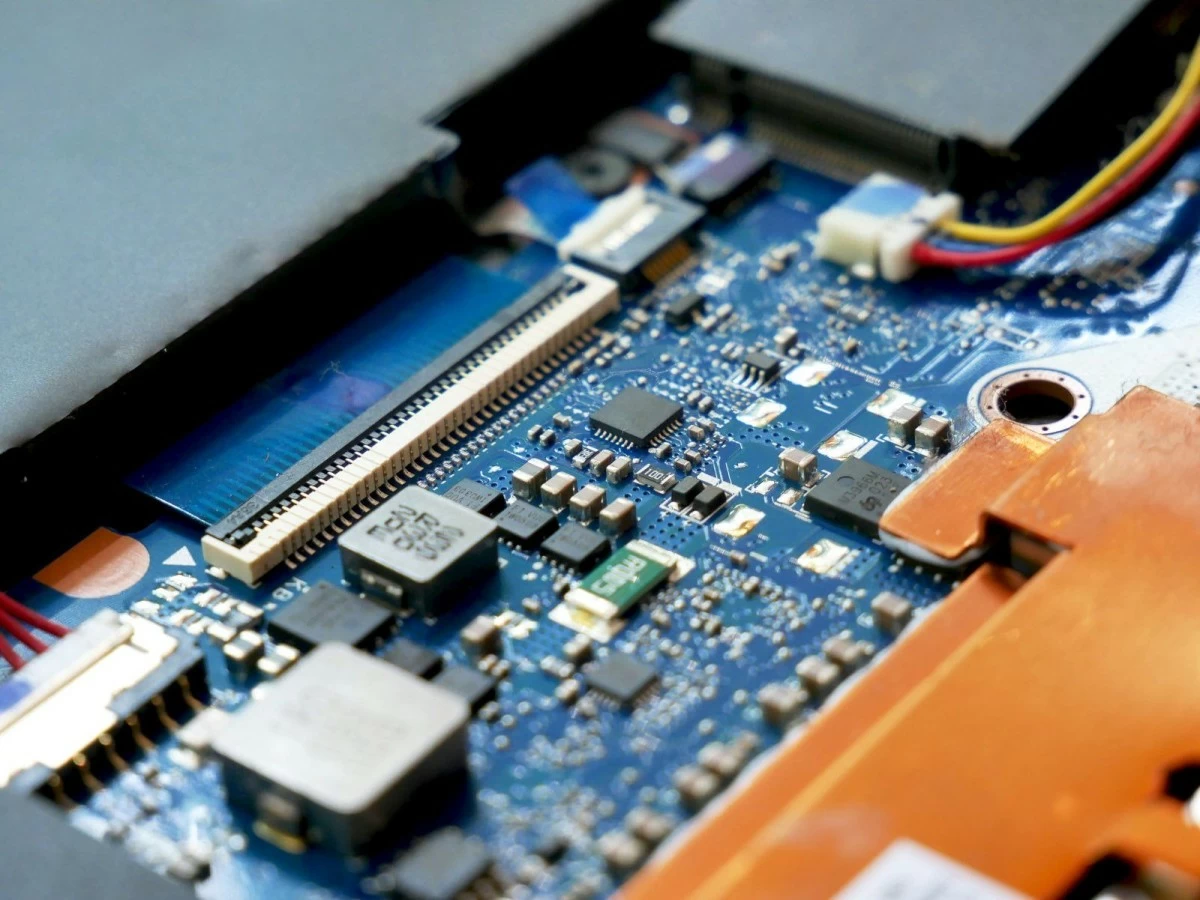
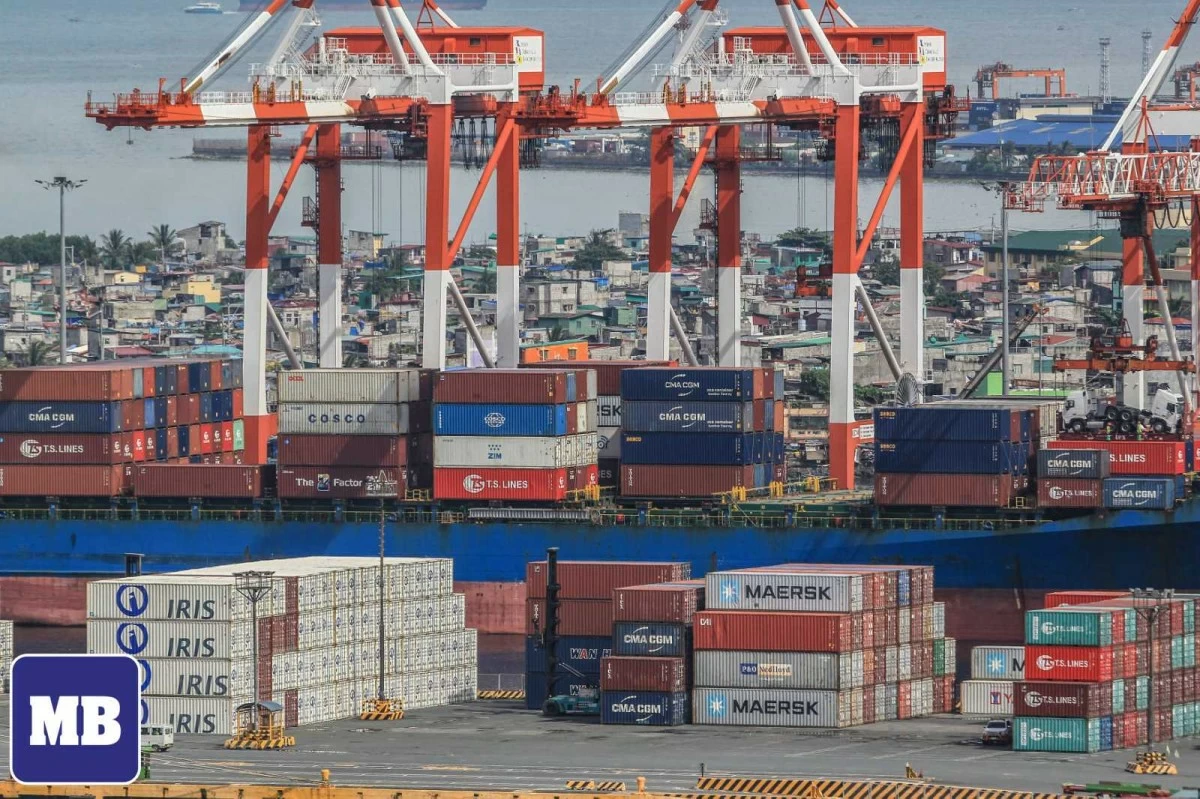
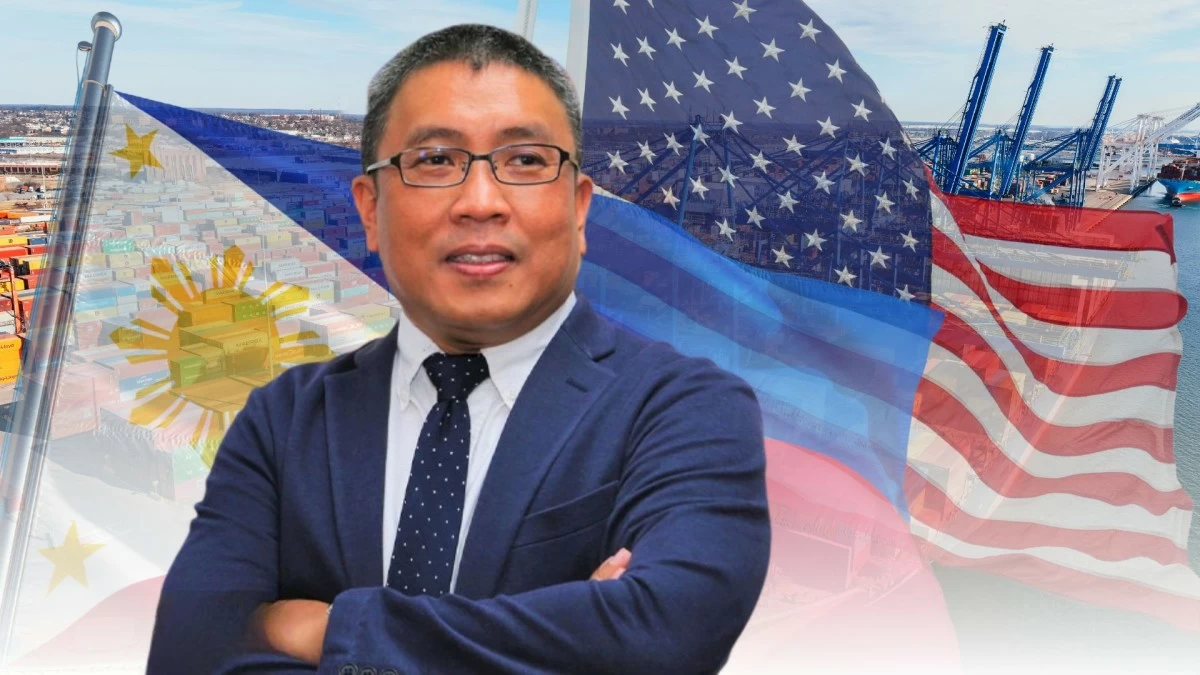
Senator Imee Marcos has sounded the alarm over the potential fallout of the United States’ move to impose 100% tariff on Philippine semiconductor exports, a sector valued at USD 4.5 billion to USD 6 billion in annual shipments to the US. “We cannot underestimate the devastating impact these...
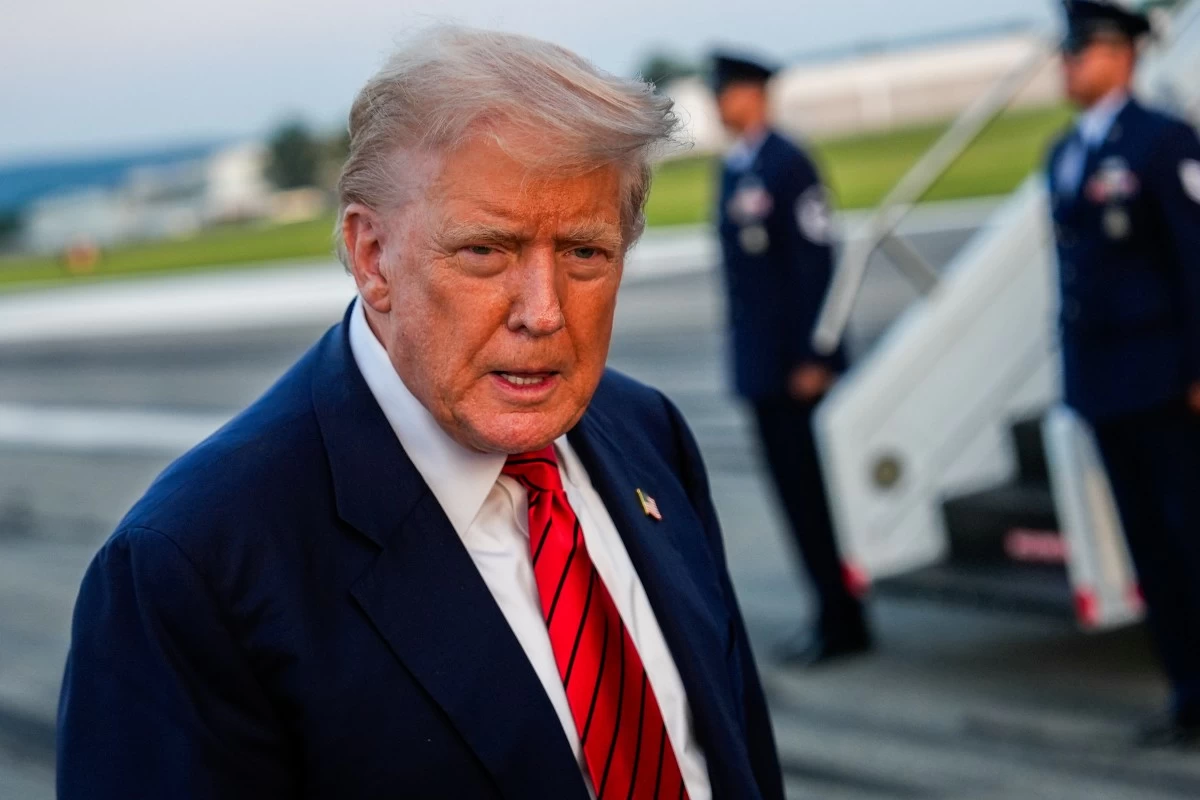
The Marcos administration is pushing for the exemption of the Philippines from the planned imposition of a 100 percent tariff threatened by United States (US) President Donald Trump on foreign-made semiconductors, cushioning the industry from a potential slowdown in investments. Special Assistant...
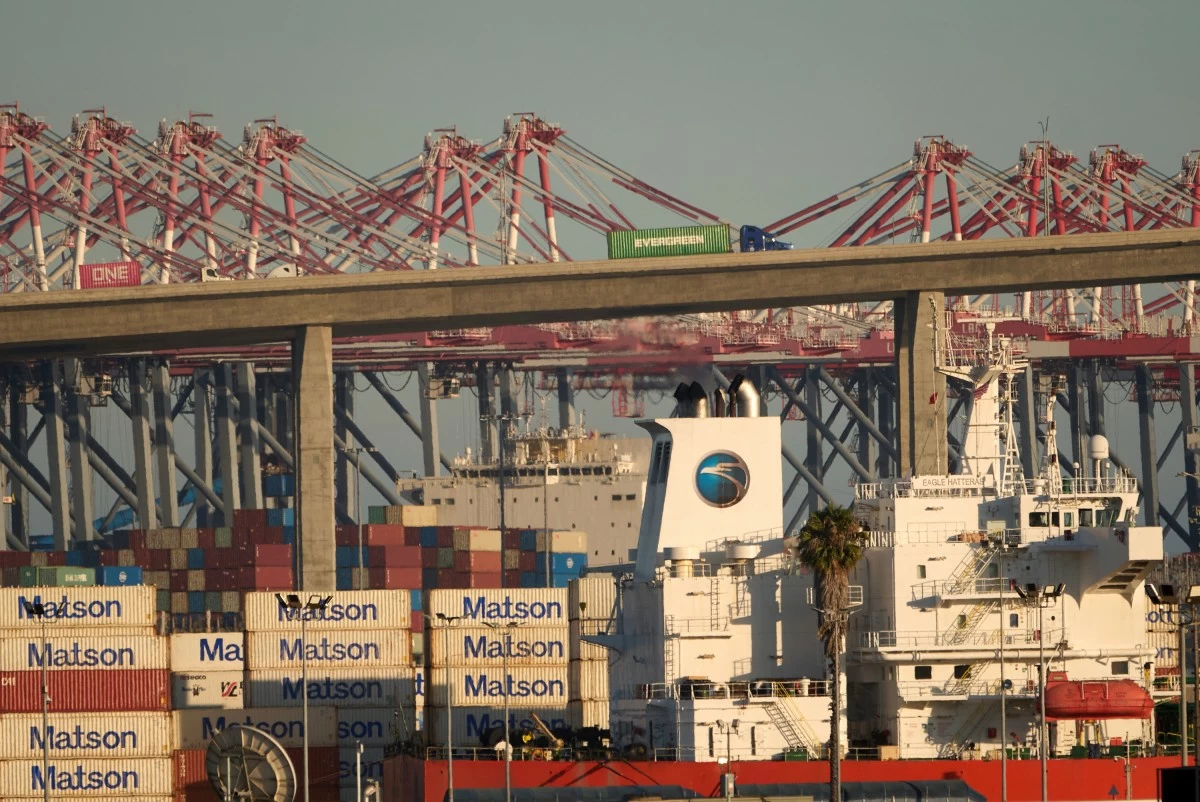
The World Trade Organization (WTO) has revised downward its forecast for global trade growth next year to 1.8 percent from an initial estimate of 2.5 percent as the United States’ (US) reciprocal tariffs come into effect. In its latest trade forecast, the Geneva-based trade body said recent...
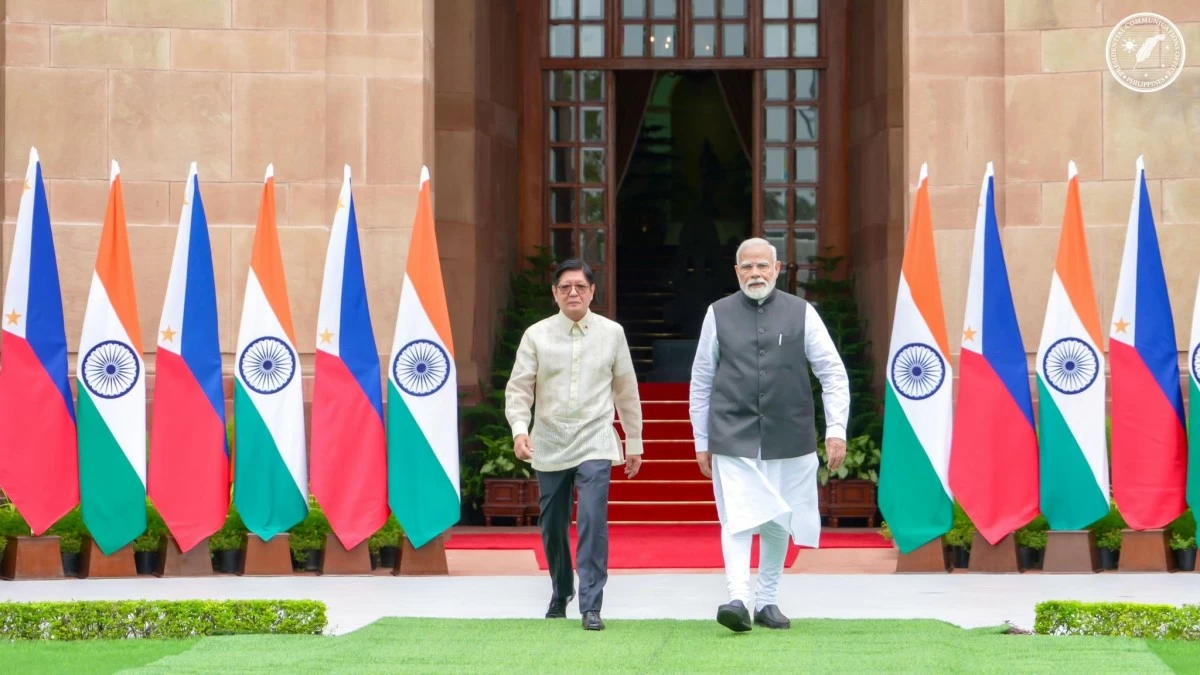
The Philippines and Southeast Asia may attract foreign investments avoiding China and India if the United States (US) pushes through with its threat of higher tariffs on Indian goods, according to the think tank Capital Economics. “[US] President [Donald] Trump’s threat to impose an additional...
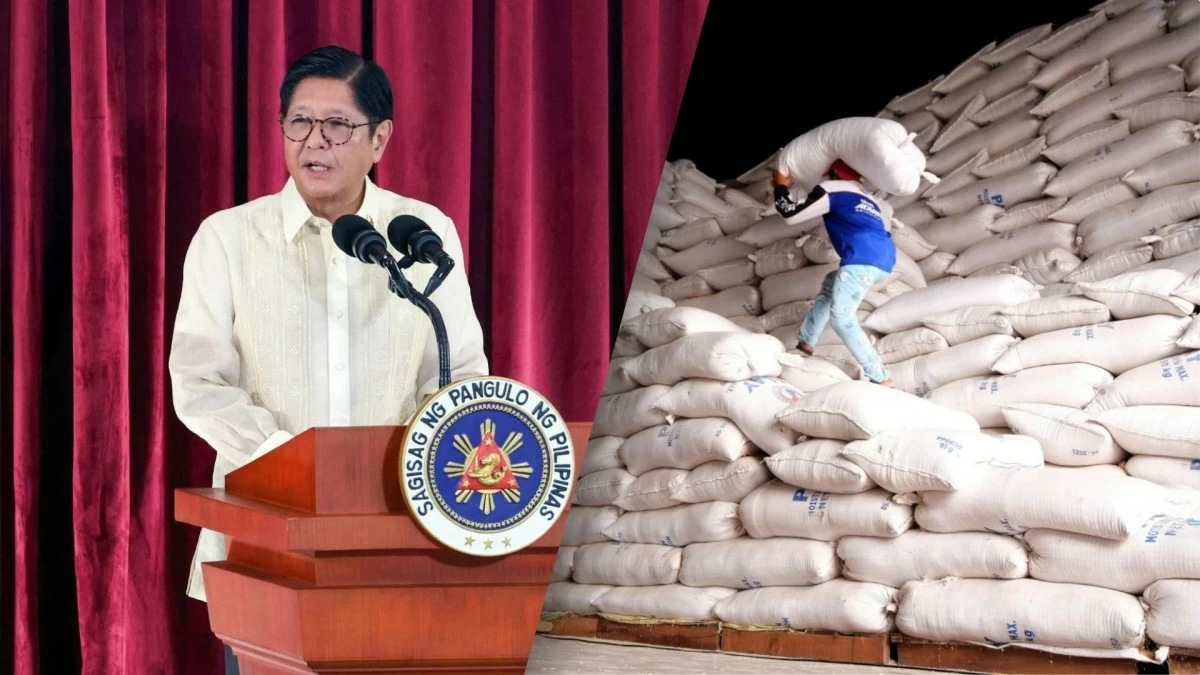
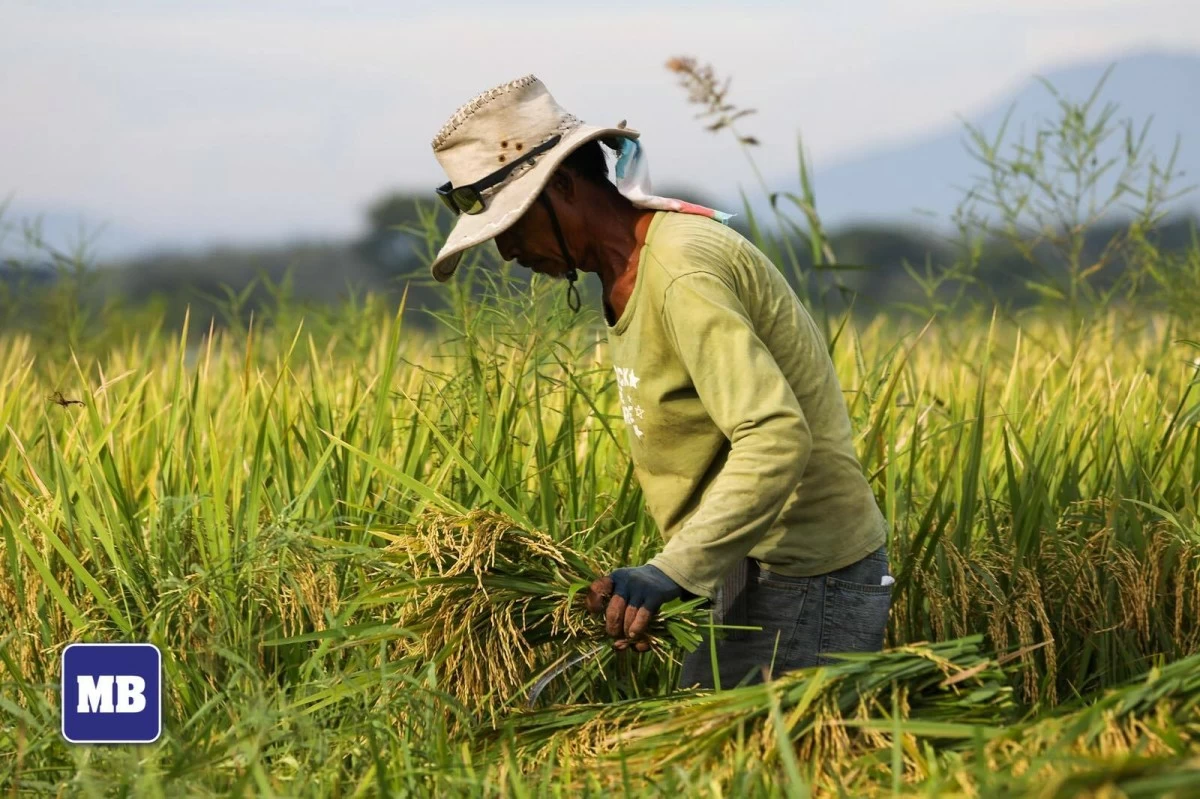
Malacañang has cautioned lawmakers against supporting a Senate resolution seeking to remove the President’s authority to adjust rice tariffs, saying it could paralyze the government’s ability to act swiftly during price shocks and emergencies. Communications Undersecretary Claire Castro said...
Expectations of further cuts in key borrowing costs as early as this month have grown stronger, driven by last month’s nearly six-year low inflation and lingering economic threats from United States (US) tariffs. Following the below one-percent headline print in July, private-sector economists...
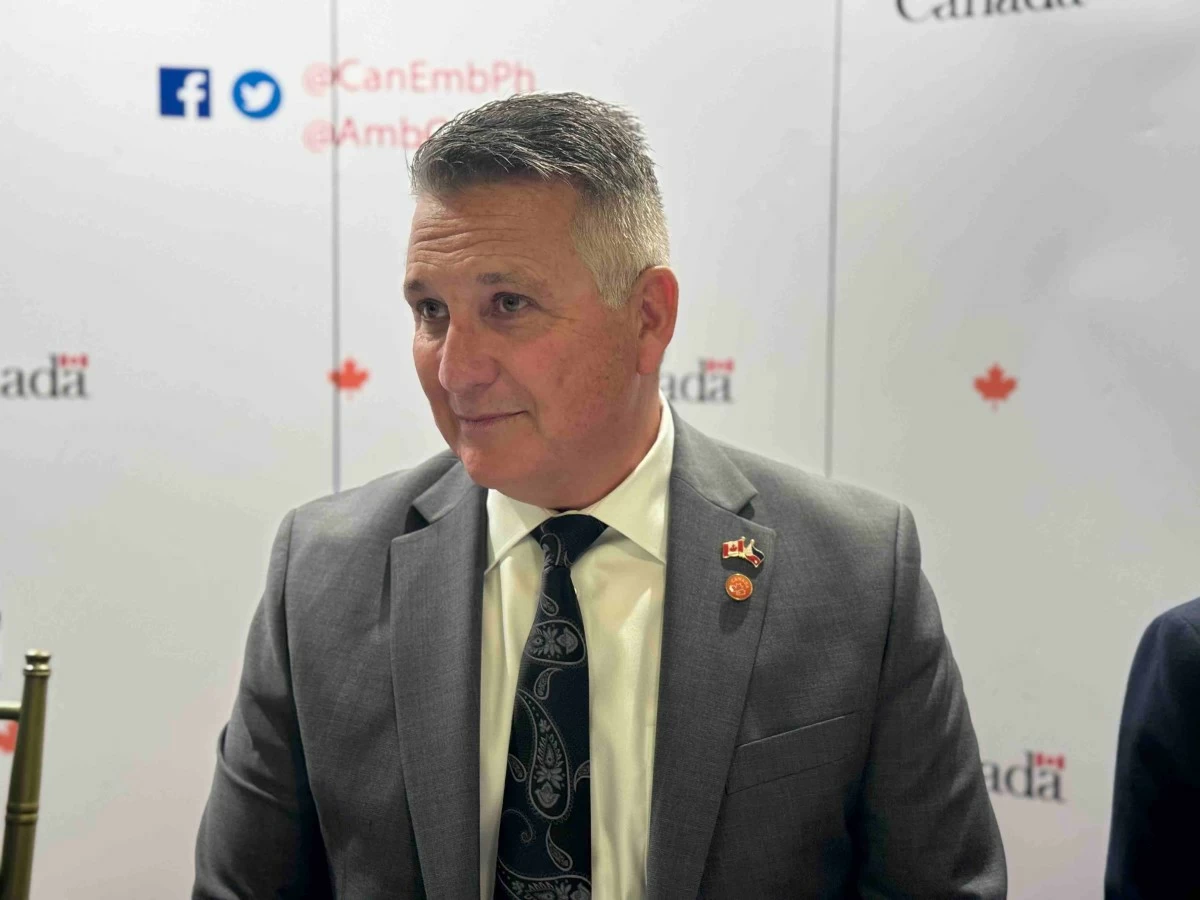
The local agriculture industry may soon see stronger trade ties with Canada, as its agriculture and agri-food minister expressed confidence in deepening the North American country ’s trade relationship with the Philippines. Despite tariff uncertainties in the United States (US), Heath...
Two senators on Monday, August 4 filed a joint Senate resolution seeking to withdraw or terminate the President’s power to increase, reduce, revise or adjust existing rates of import duty on rice. Senators Francis “Kiko” Pangilinan and Risa Hontiveros filed Joint Senate Resolution No. 2...
The Philippine economy and its export industry will see no decline in output and exports from the direct impact of the 19-percent tariffs threatened by the United States (US), according to a study by De La Salle University (DLSU) economists. In a recently published policy brief titled “The tariff...
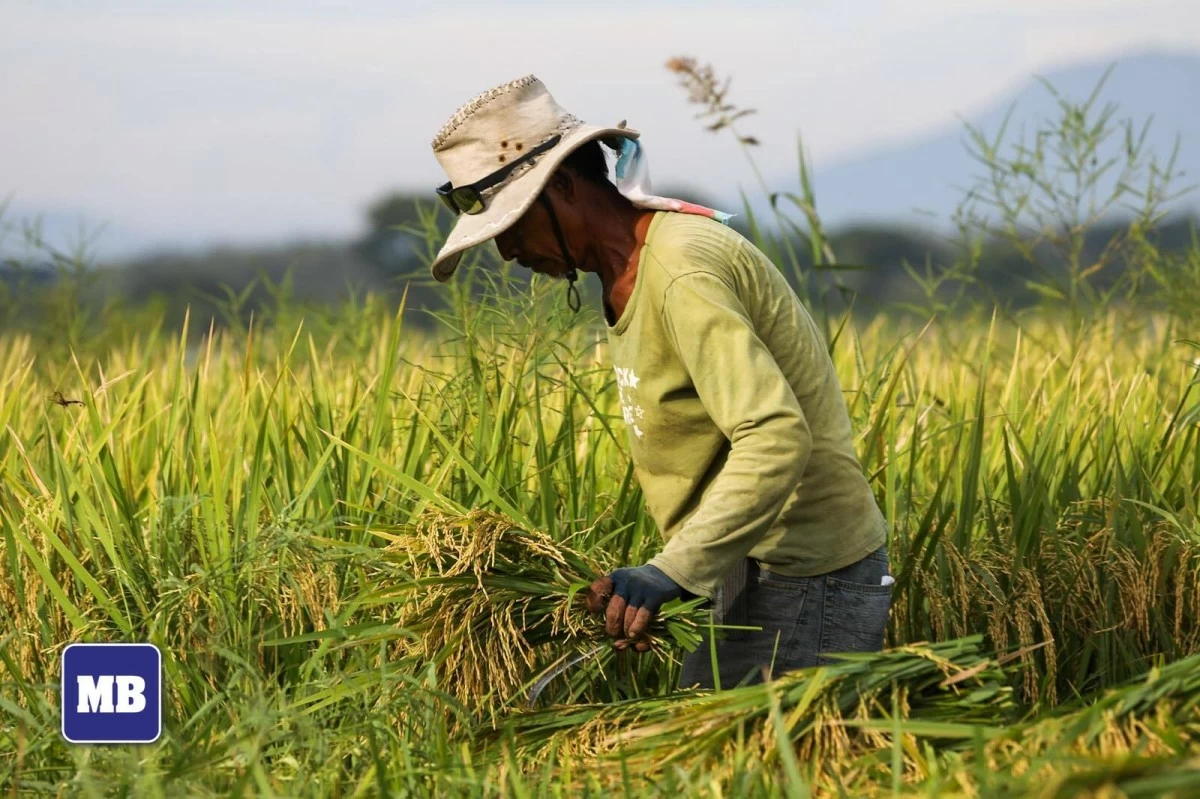
Malacañang disclosed that the Department of Agriculture (DA) has recommended to increase tariffs on imported rice and to temporarily halt rice importation. Presidential Communications Office (PCO) Secretary Dave Gomez said this on Monday, Aug. 4, saying it aims to protect Filipino farmers. He...
The Philippine Economic Zone Authority (PEZA) is capitalizing on the threatened 19 percent United States (US). tariff rate on Philippine goods, presenting it as a key incentive to draw in much-needed Japanese investments amid their recent decline. The Philippines is set to face a 19 percent...
The Philippines will commit to addressing non-tariff barriers on imports from the United States (US) as part of a reciprocal trade agreement that will see Manila pay a tariff rate of 19 percent on its US-bound goods. Similar to reciprocal trade deals the US has so far announced, Department of Trade...