






 Philippines
National
Pangilinan, Hontiveros urge Congress to terminate presidential powers to adjust rice tariffs
Philippines
National
Pangilinan, Hontiveros urge Congress to terminate presidential powers to adjust rice tariffs
Pangilinan, Hontiveros urge Congress to terminate presidential powers to adjust rice tariffs


At A Glance
- The two senators on Monday, August 4 filed a joint Senate resolution seeking to withdraw or terminate the President's power to increase, reduce, revise or adjust existing rates of import duty on rice.
Two senators on Monday, August 4 filed a joint Senate resolution seeking to withdraw or terminate the President’s power to increase, reduce, revise or adjust existing rates of import duty on rice.
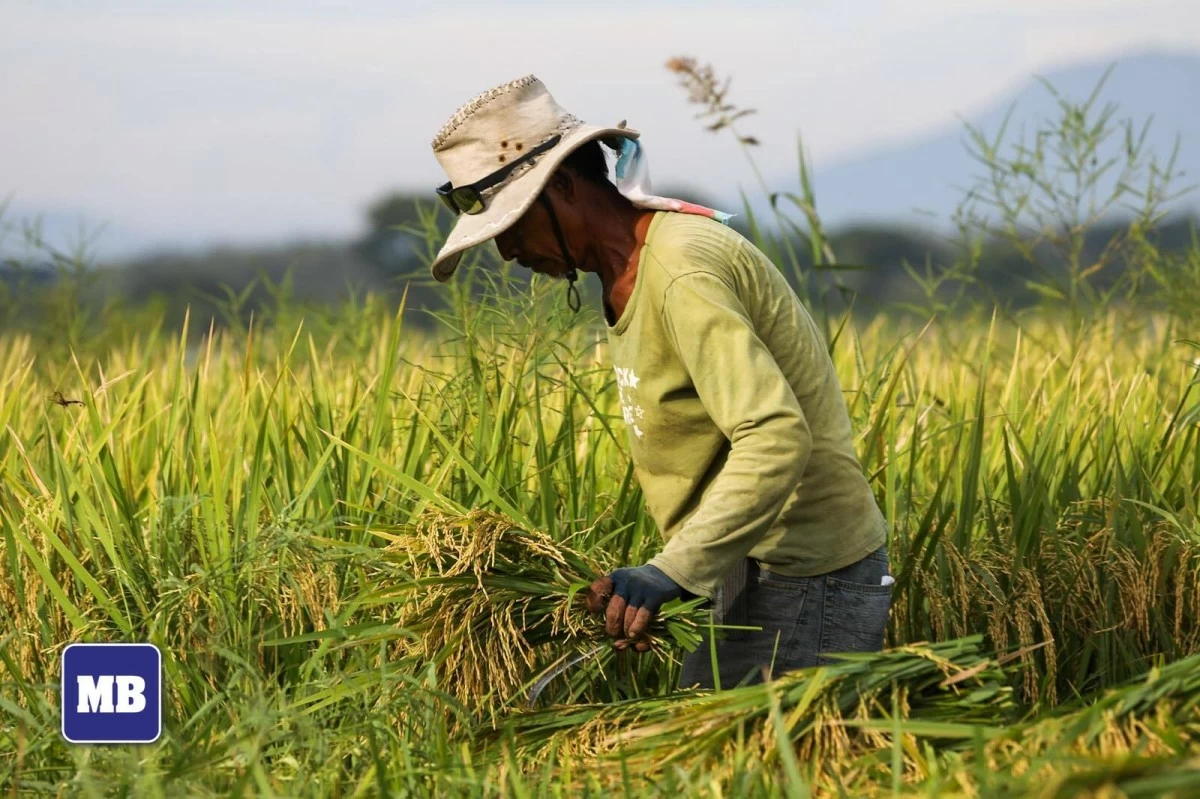
Senators Francis “Kiko” Pangilinan and Risa Hontiveros filed Joint Senate Resolution No. 2 asking both the House of Representatives and the Senate “to terminate the delegated authority of the President to adjust tariff rates on rice” citing its devastating impact on local rice producers.
The joint resolution also seeks to revert the tariff rates on imported rice to the previous level of 35 percent—from 15 percent based on Executive Order (EO) No. 62 signed by the Executive Department in June 2024–upon the effectivity of the Joint Resolution.
“Kailangan natin umaksyon ngayon. Hindi mamaya. Hindi bukas. Ngayon (We need to take action now. Not later. Not tomorrow. Now),” said Pangilinan, who now leads the Senate Committee on Agriculture, Food, and Agrarian Reform.
“Wag natin patayin ng paunti-unti ang ating mga magsasaka. Ipaglaban naman natin ang karapatan nila na kumita ng sapat at maayos, na mabuhay ng may dangal (Let's not kill our farmers little by little. Let's fight for their right to earn enough and well, to live with dignity),” he stressed.
The senators also cited in the resolution that the drastic slashing of tariff rates on imported rice last June 2024 “unleashed a flood of foreign grain into the Philippine market”—demoralizing farmers as well as destroying their livelihoods.
They also said that the country’s massive importation of rice in 2024 unfortunately, competed with and undercut domestic produce.
It was also in 2024 that the Philippines became the world’s top rice importer because of the lower tariffs, they lamented. The lower tariff rates also forced farmers to sell their unhusked rice (palay) at prices lower than their production costs.
While the Joint Resolution acknowledged that Section 1608 of Republic Act No. 10863, otherwise known as the Customs Modernization and Tariff Act (CMTA) of 2016, delegates authority to the President to adjust tariffs, the senators said “this is not an absolute power.”
“The power delegated may be withdrawn or terminated by Congress through a joint resolution,” the lawmakers stated.
The Joint Resolution also directs the appropriate committees of both the Senate and House of Representatives to conduct a review of the current situation of the rice industry and the welfare of local farmers.