






Manila Bulletin
 Business
The Economy
Second-half BSP easing bets intensify on nearly six-year low inflation, US tariff threat
Business
The Economy
Second-half BSP easing bets intensify on nearly six-year low inflation, US tariff threat
Business
The Economy
Second-half BSP easing bets intensify on nearly six-year low inflation, US tariff threat
Second-half BSP easing bets intensify on nearly six-year low inflation, US tariff threat
By Derco Rosal
Published Aug 6, 2025 01:05 pm


At A Glance
- Expectations of further cuts in key borrowing costs as early as this month have grown stronger, driven by last month's nearly six-year low inflation and lingering economic threats from United States (US) tariffs.
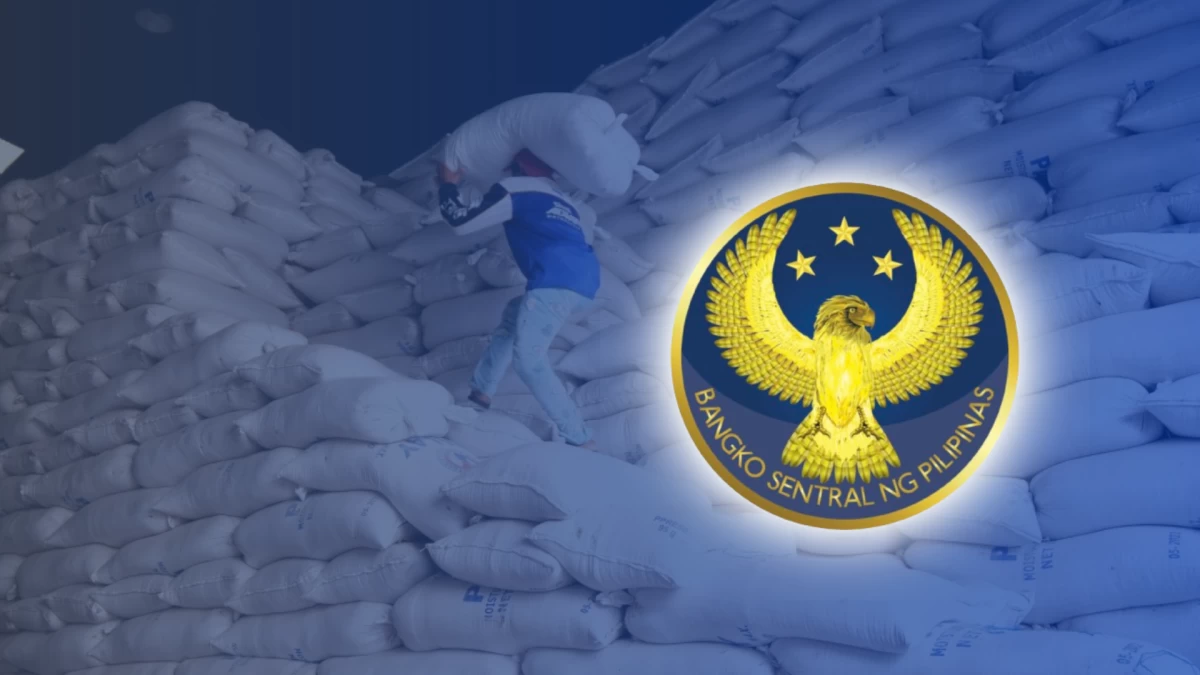
Expectations of further cuts in key borrowing costs as early as this month have grown stronger, driven by last month’s nearly six-year low inflation and lingering economic threats from United States (US) tariffs.
Following the below one-percent headline print in July, private-sector economists now look forward to the Bangko Sentral Pilipinas (BSP) extending its easing cycle, anticipating a cumulative 50 basis points (bps) in cuts by year-end.
Philippine Statistics Authority (PSA) Undersecretary and National Statistician Claire Dennis Mapa said earlier that the government’s ₱20-per-kilo rice program helped lower prices of the food staple last month, a trend that Filipinos began seeing since June.
July inflation across all income households dropped to 0.9 percent—the lowest since October 2019’s 0.6 percent—from 1.4 percent in June. This was substantially lower than last year’s 4.4-percent inflation rate. Last month’s headline rate also fell within the downscaled forecast of the BSP, at 0.5 to 1.3 percent.
“Soft inflation will likely increase the BSP’s conviction and confidence to cut policy rates without the [US Federal Reserve],” HSBC Association of Southeast Asian Nations (ASEAN) economist Aris Dacanay said in an Aug. 5 commentary.
Dacanay expects the central bank to reduce the key interest rate by an additional quarter-point to five percent from the current 5.25 percent.
However, US tariffs on Philippine exports have worsened to 19 percent from the initial rate of 17 percent in April. As such, these “less-favorable-than-expected” US tariffs stoke the risk of a “deeper easing cycle by the BSP.”
Like Dacanay, the central bank also flagged external risks that both directly and indirectly affect the local economy.
“Global economic activity is showing signs of deceleration, influenced by uncertainty over US trade policy and ongoing geopolitical conflict in the Middle East. These developments may contribute to slower domestic growth,” the BSP said in an Aug. 5 statement.
“On balance, a more accommodative monetary policy stance remains warranted,” the BSP added.
Emilio S. Neri Jr., senior vice president and lead economist at Bank of the Philippine Islands (BPI), said the combination of “benign inflation and dovish signals from the BSP makes a rate cut in August highly probable.”
“A downside surprise in GDP on Thursday would likely cement the case for a cut. However, the possibility of another rate cut after August will partly depend on what the Federal Reserve will do,” Neri added, referring to the government’s second-quarter GDP report on Aug. 7.
Economists at Singapore-based United Overseas Bank (UOB) said recent inflation figures, along with a softer outlook for both inflation and growth, “have strengthened the case for a looser monetary policy stance in the near term.”
UOB senior economist Julia Goh and economist Loke Siew Ting stuck to their projection that the BSP will deliver two more 25-bp reductions in the second half of 2025—one each in August and the fourth quarter of the year.
Michael L. Ricafort, chief economist at Rizal Commercial Banking Corp. (RCBC), noted that the latest inflation print marked the fifth-consecutive month that inflation stayed below the BSP’s target range.
“This would further support further monetary easing for the coming months and also support the economic recovery narrative, amid the faster growth in GDP compared to slower net increase in inflation especially into 2025 and beyond, barring geopolitical risks,” Ricafort said.
The policy-setting Monetary Board (MB) is scheduled to meet next on Aug. 28, with two more meetings remaining in October and December. Since it began its easing cycle in August 2024, the BSP has lowered policy rates by a total of 1.25 percentage points (ppts).