The Philippine Space Agency (PhilSA) has produced flood extent maps showing flooded areas in the northern part of Luzon following the heavy rains brought by two tropical cyclones and are now continuously being enhanced by the southwest monsoon, or habagat. PhilSA is the central government agency of...
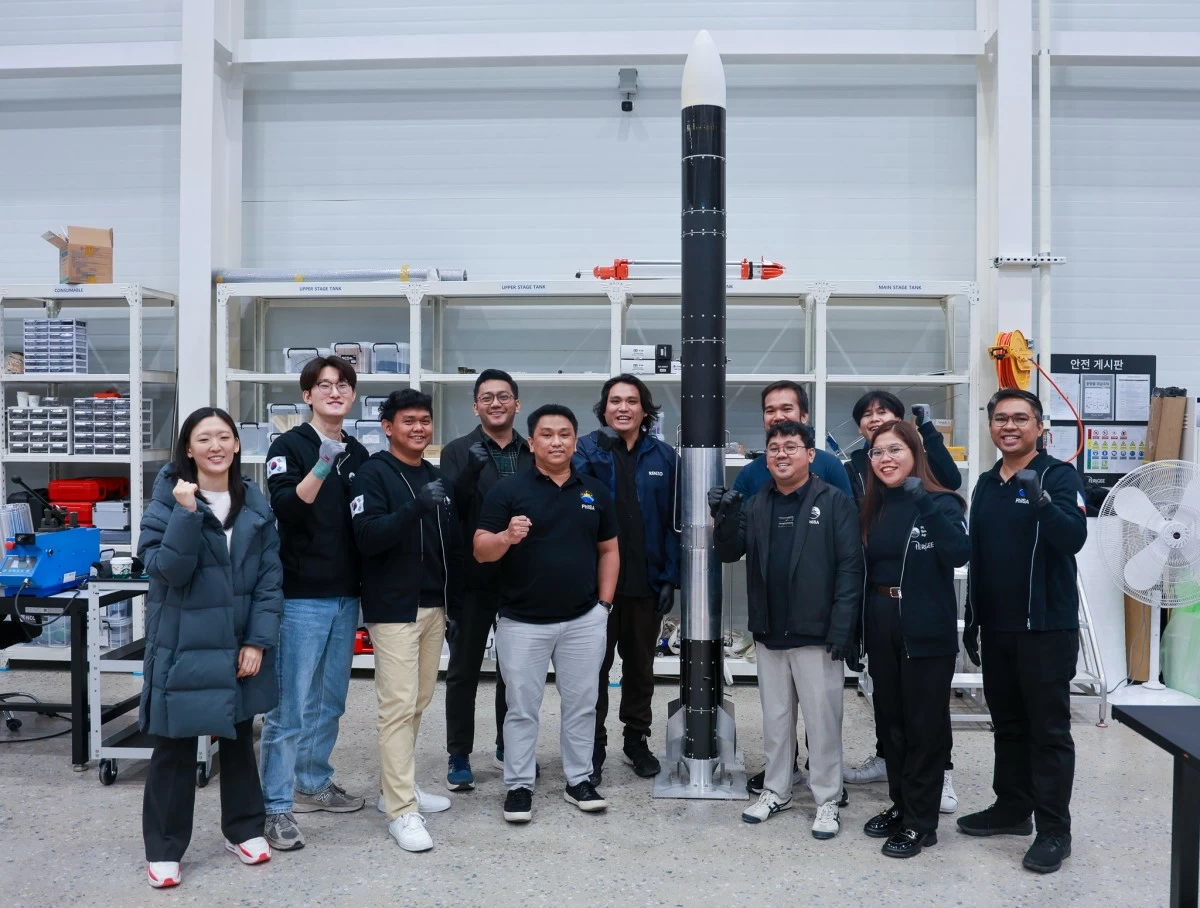
The Philippines is preparing to launch a liquid-fueled sounding rocket from Cagayan in 2027, with the Philippine Space Agency (PhilSA) describing the test as part of efforts to develop local expertise in rocket technology and lay the groundwork for a future Philippine spaceport. President Ferdinand...
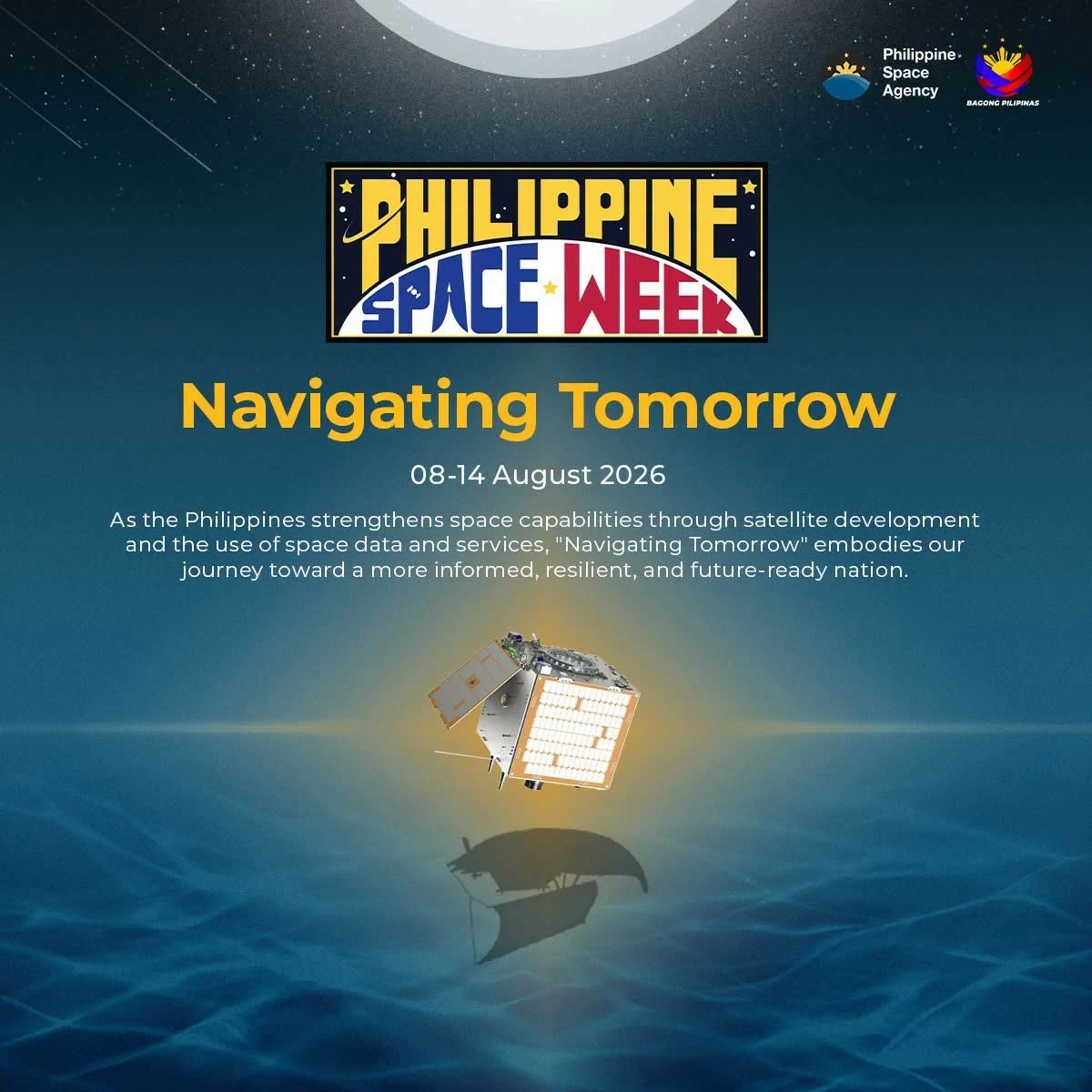
The Philippine Space Agency (PhilSA) is calling on Filipinos nationwide to take part in programs and activities lined up for the celebration of Philippine Space Week 2026 from Aug. 8 to 14. The celebration this year will carry the theme “Navigating Tomorrow” and will highlight the country’s...
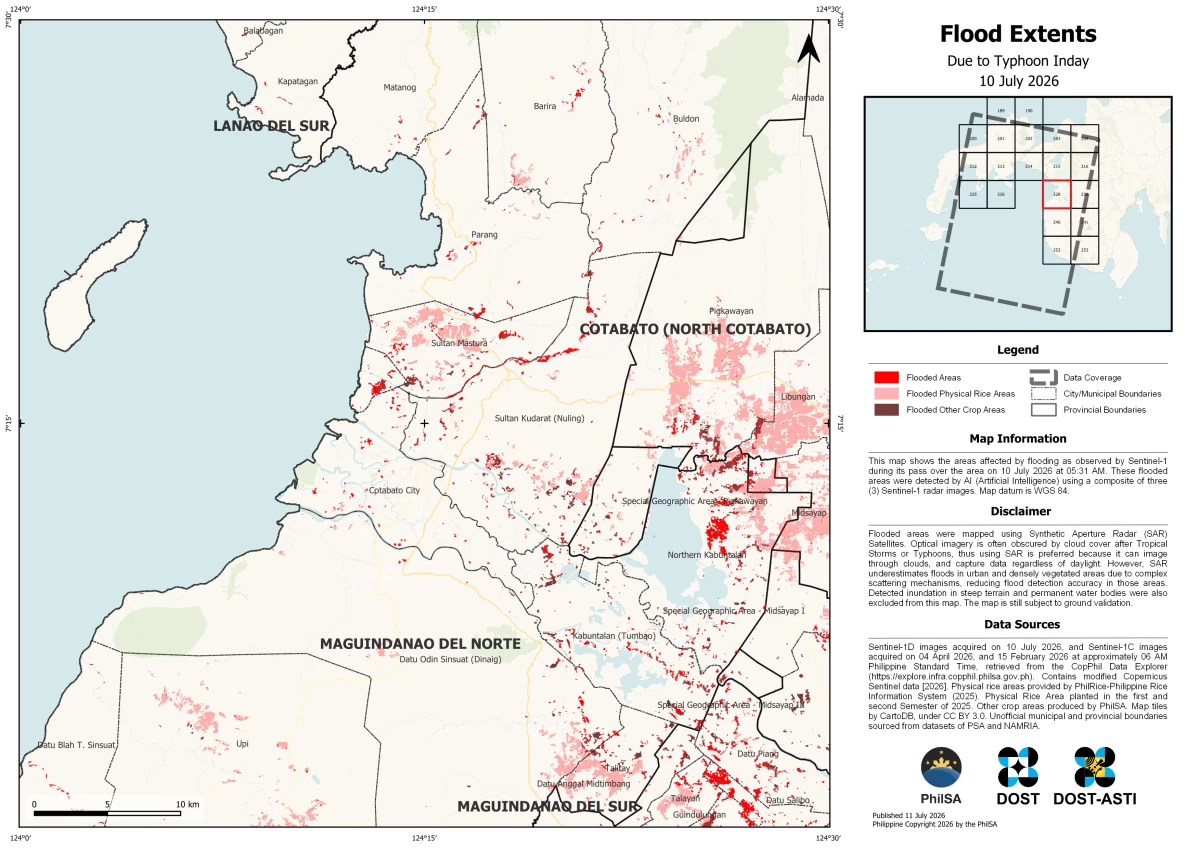
The Philippine Space Agency (PhilSA) produced flood extent maps showing flooded areas (red) and flood-affected Physical Rice Areas (pink) and Other Crop Areas (brown) in Regions 9, 10, 11, 12, 13, Bangsamoro Autonomous Region in Muslim Mindanao (BARMM), and parts of Eastern Samar and Southern Leyte...
Key initiatives aimed at strengthening the country’s space science and technology capabilities earned the support of President Marcos during the 9th Philippine Space Council meeting at Malacañan Palace, Malacañang said. During the meeting, the council reviewed recent developments in the...
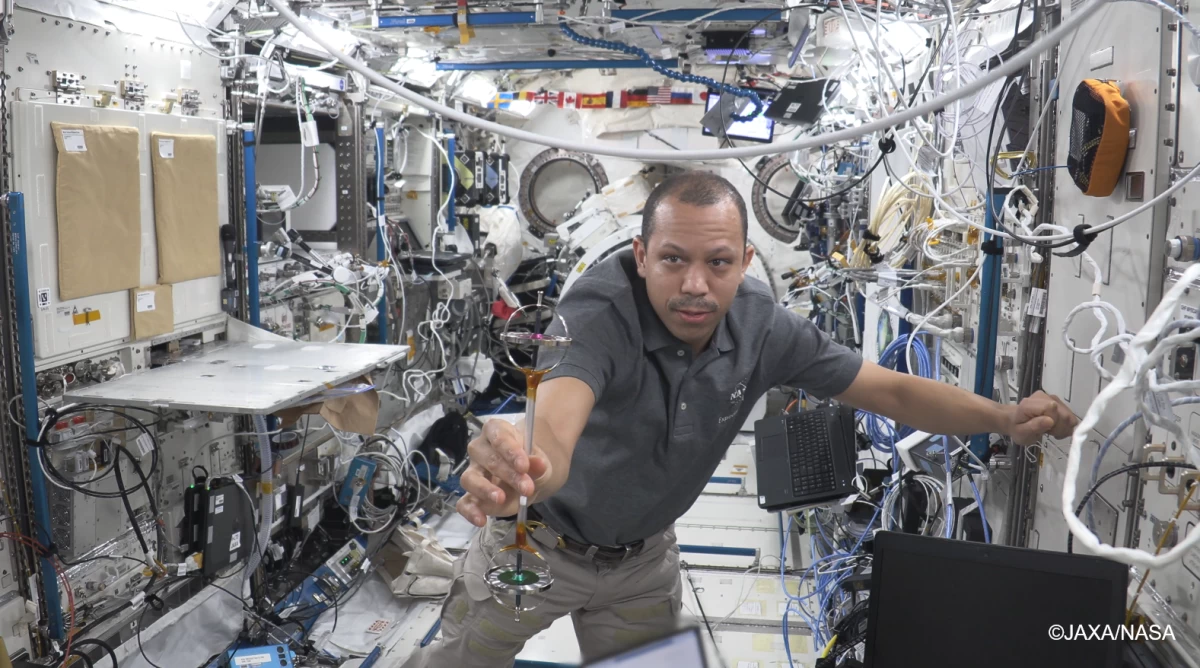
The Double Gyroscope experiment, designed by Filipino students from the Rizal Technological University (RTU), was successfully conducted onboard the International Space Station (ISS) as part of the 2025 Asian Try Zero-G (ATZG 2025) competition. National Aeronautics and Space Administration (NASA)...
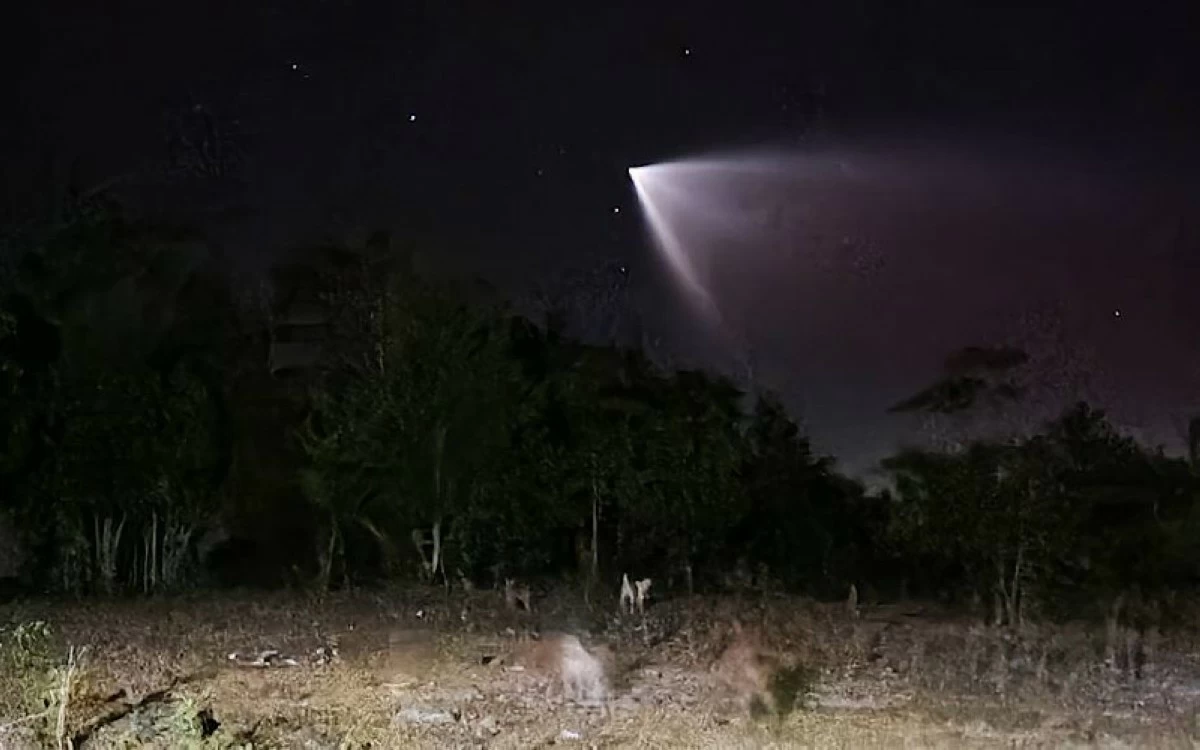
What appeared as a floating “space jellyfish” drifting across the Philippine sky on Tuesday evening, May 12, was most likely a rocket plume illuminated at high altitude, the Philippine Space Agency (PhilSA) said. Around 8:10 p.m., bright lights and a wide, luminous shape were observed over...
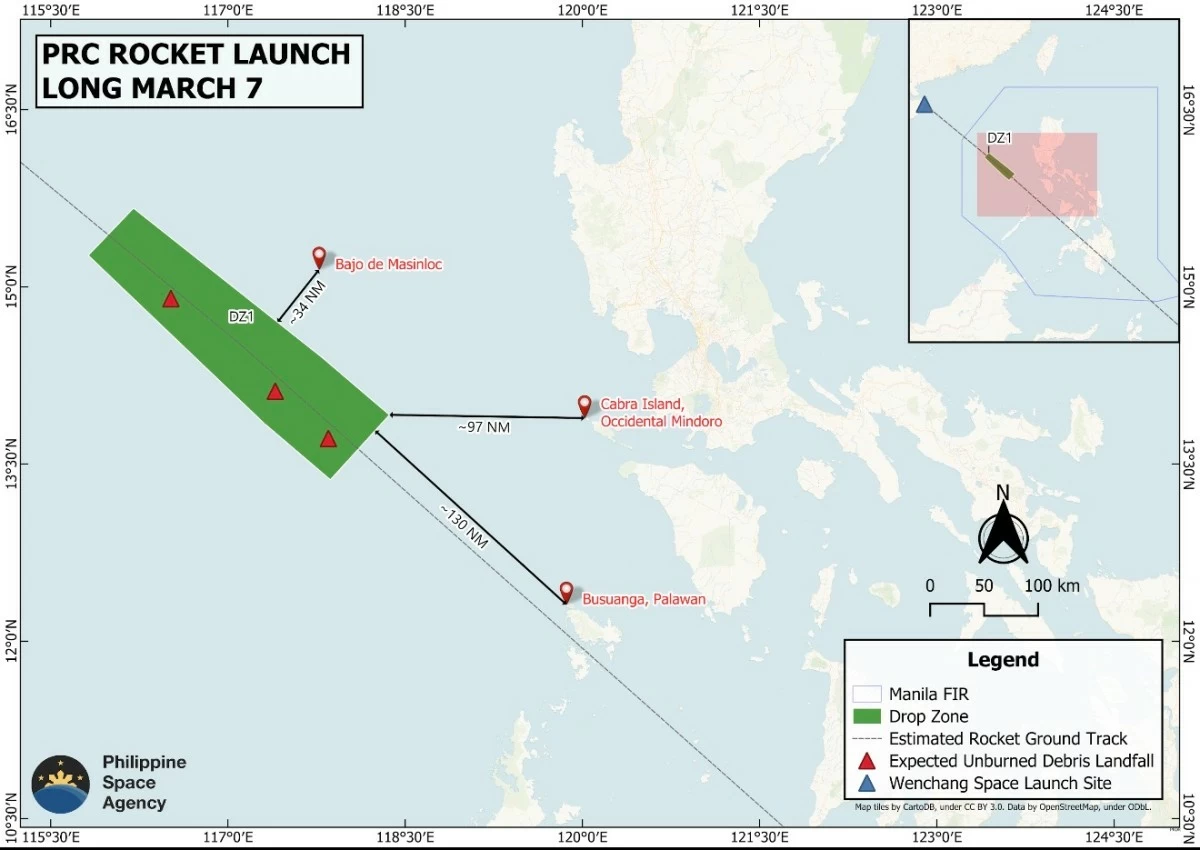
The Philippine Space Agency (PhilSA) said Monday that debris from China 's Long March 7 rocket possibly fell within the Philippine Exclusive Economic Zone (EEZ). The rocket was launched from the Wenchang Space Launch Site in Wenchang, Hainan at around 8:14 a.m. (PhST) Monday. In an advisory,...
The Philippine Space Agency (PhilSA) cautioned the public on rocket debris that may be found within the Philippine Exclusive Economic Zone (EEZ) following China 's latest rocket launch on Monday, May 11. "Expected debris from the rocket launch was projected to have fallen within the...
The combined area of crops potentially affected by ashfall from Mayon Volcano is now estimated to be roughly equivalent to the size of Mandaluyong City, the Philippine Space Agency (PhilSA) said. In a statement released on Saturday, May 9, PhilSA said its satellite-based crop exposure map showed...
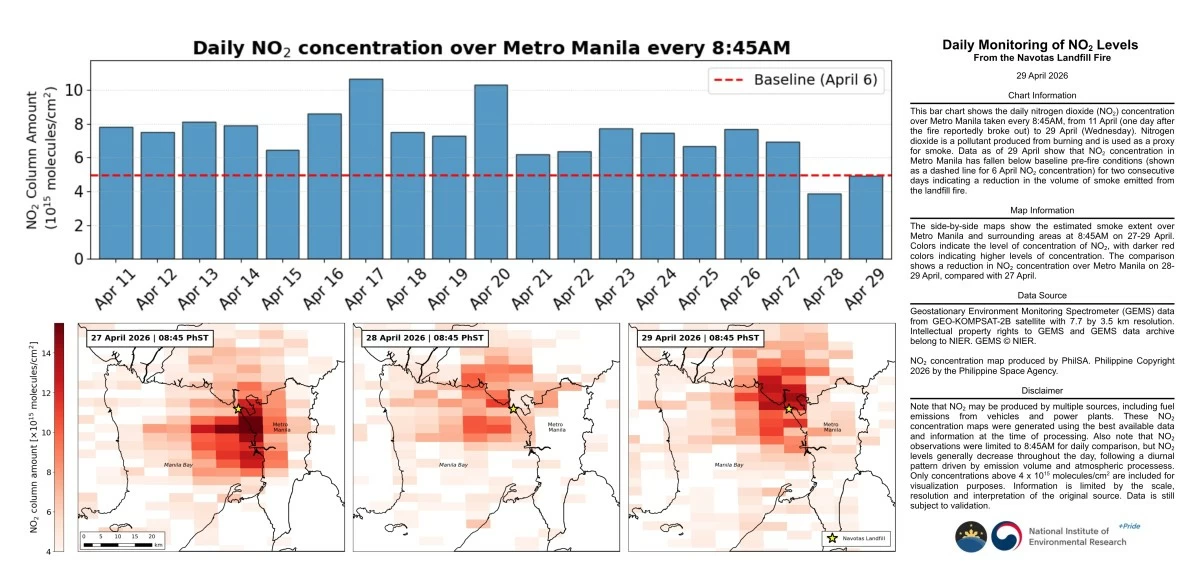
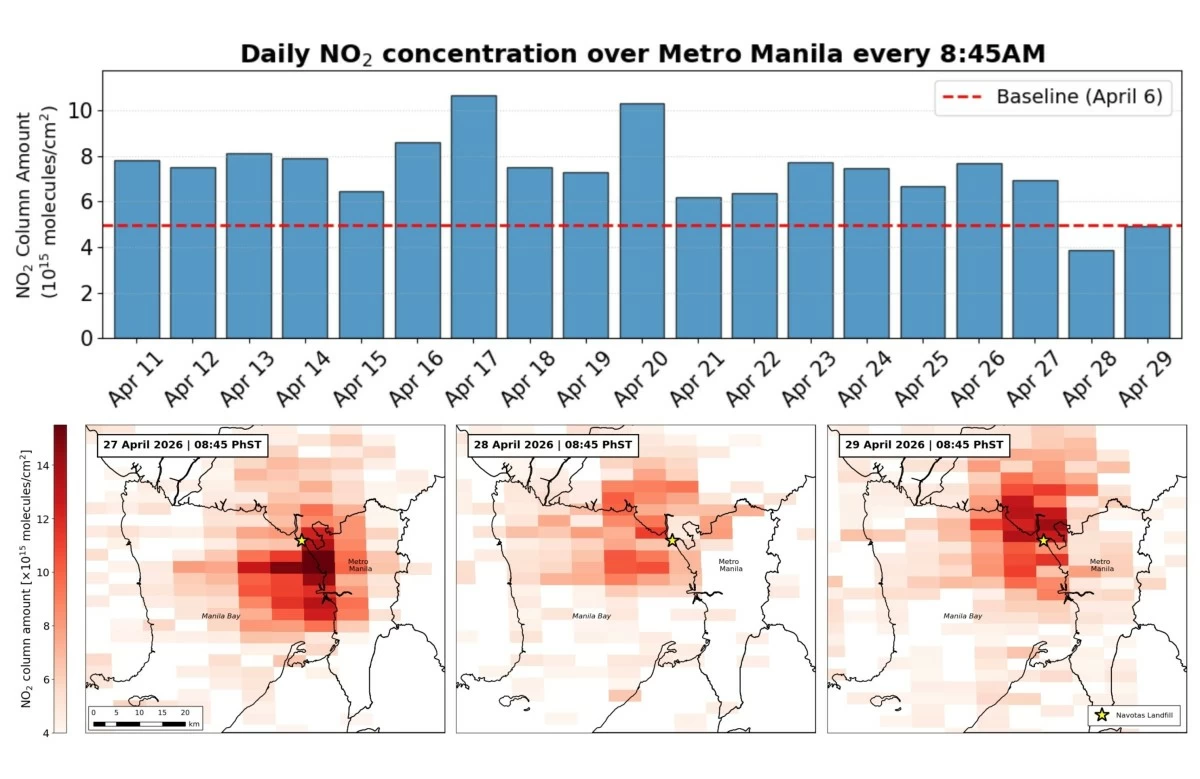
The Philippine Space Agency (PhilSA) has done daily monitoring of satellite data since the Navotas landfill fire reportedly broke out on 10 April 2026. Coinciding with reports on Tuesday (28 April) that significant progress has been made in suppressing the fire, satellite data shows that nitrogen...
Satellite data from the Philippine Space Agency (PhilSA) shows that nitrogen dioxide (NO₂) levels over Metro Manila have fallen below pre-fire readings for two consecutive days. PhilSA said in a statement on Wednesday, April 29, that the latest data coincided with reports on Tuesday, April 28,...