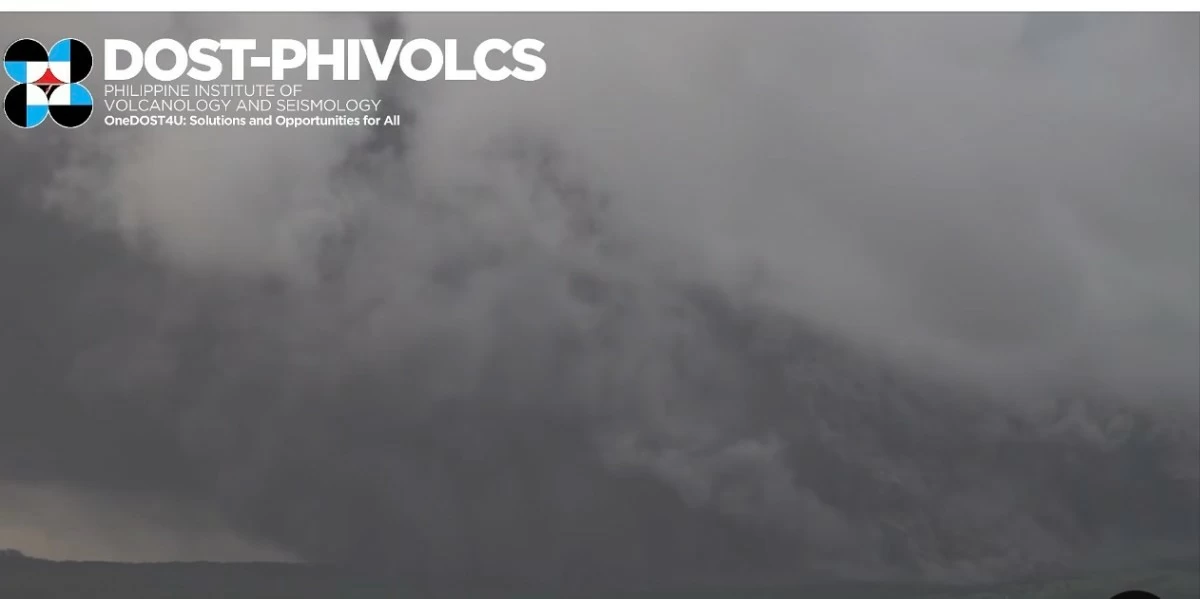
Mayon Volcano has emitted thick clouds of gas and ash late Saturday afternoon, May 2, sending local residents and motorists into panic as volcanic particles covered the roads and communities in some parts of Albay province. The Philippine Institute of Volcanology and Seismology (Phivolcs) confirmed...
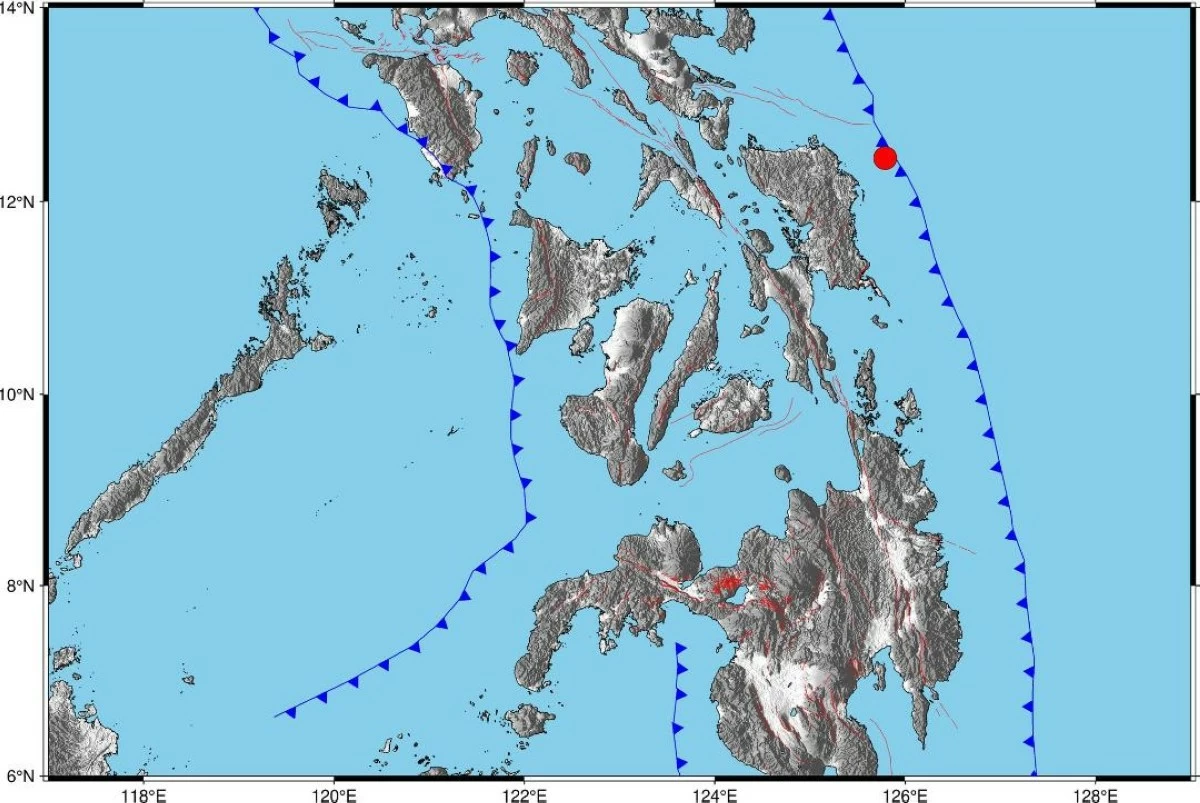
A magnitude 5.4 earthquake was recorded off the coast of Eastern Samar early Wednesday morning, April 29, the Philippine Institute of Volcanology and Seismology (Phivolcs) said. In its initial bulletin, Phivolcs said the tremor occurred at 6:58 a.m., with its epicenter located 42 kilometers...
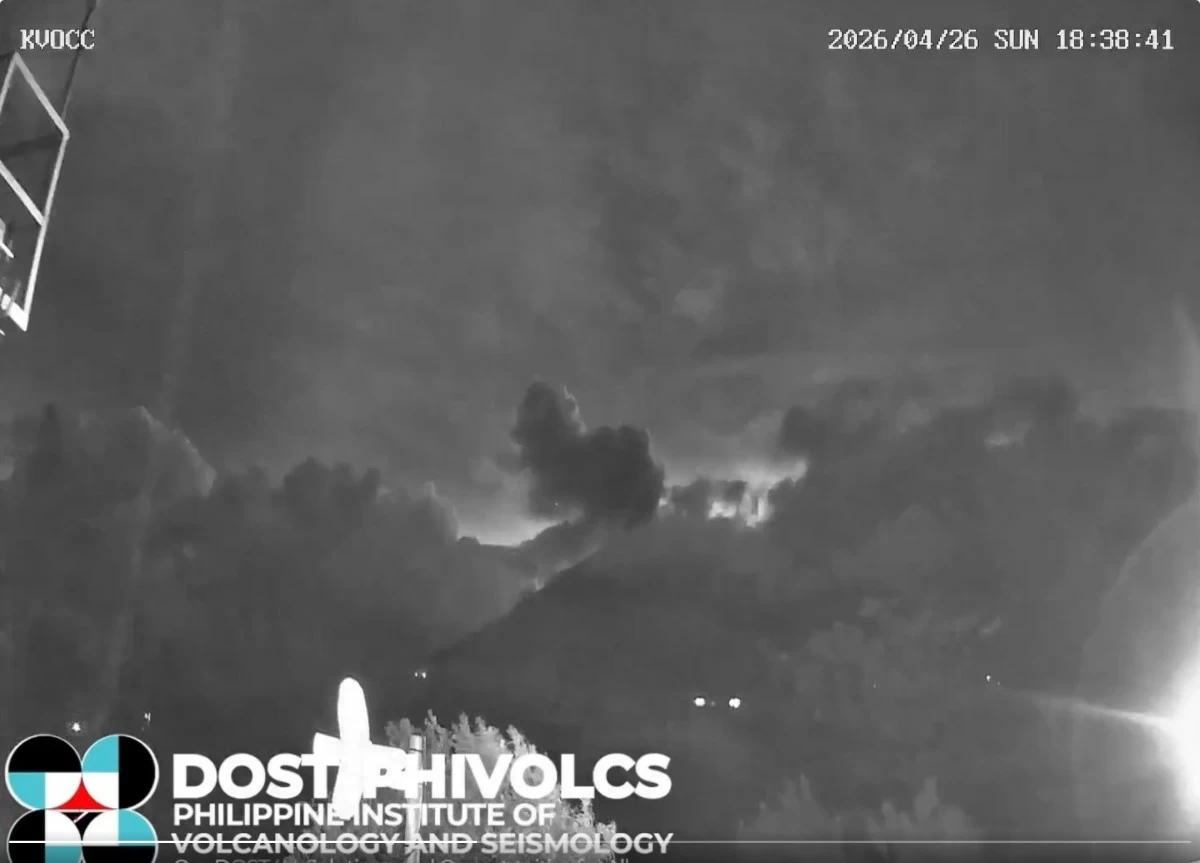
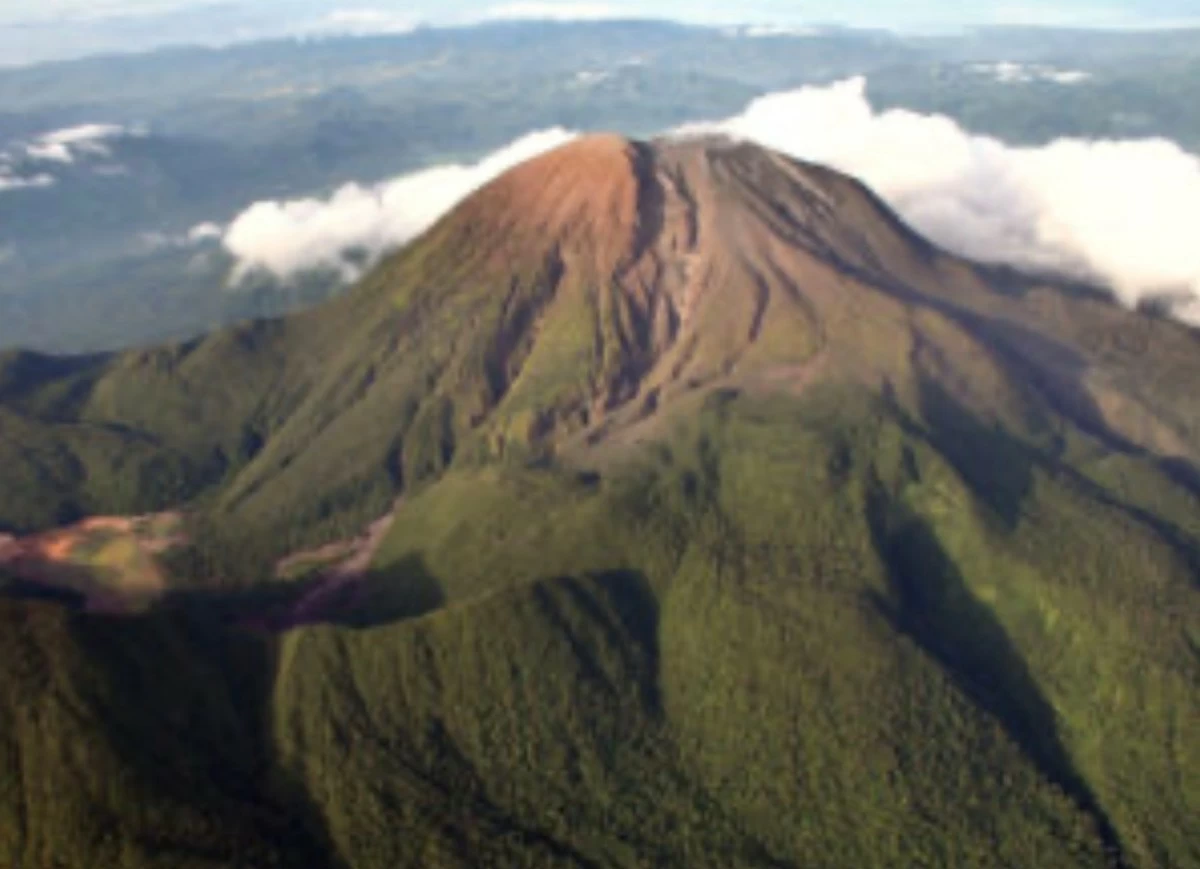
A grayish ash plume rose from the summit crater of Kanlaon Volcano at around 6:30 p.m. on Sunday, April 26, as the restive volcano in Negros Island remained under “moderate unrest,” the Philippine Institute of Volcanology and Seismology (Phivolcs) said. Based on monitoring by the Kanlaon...
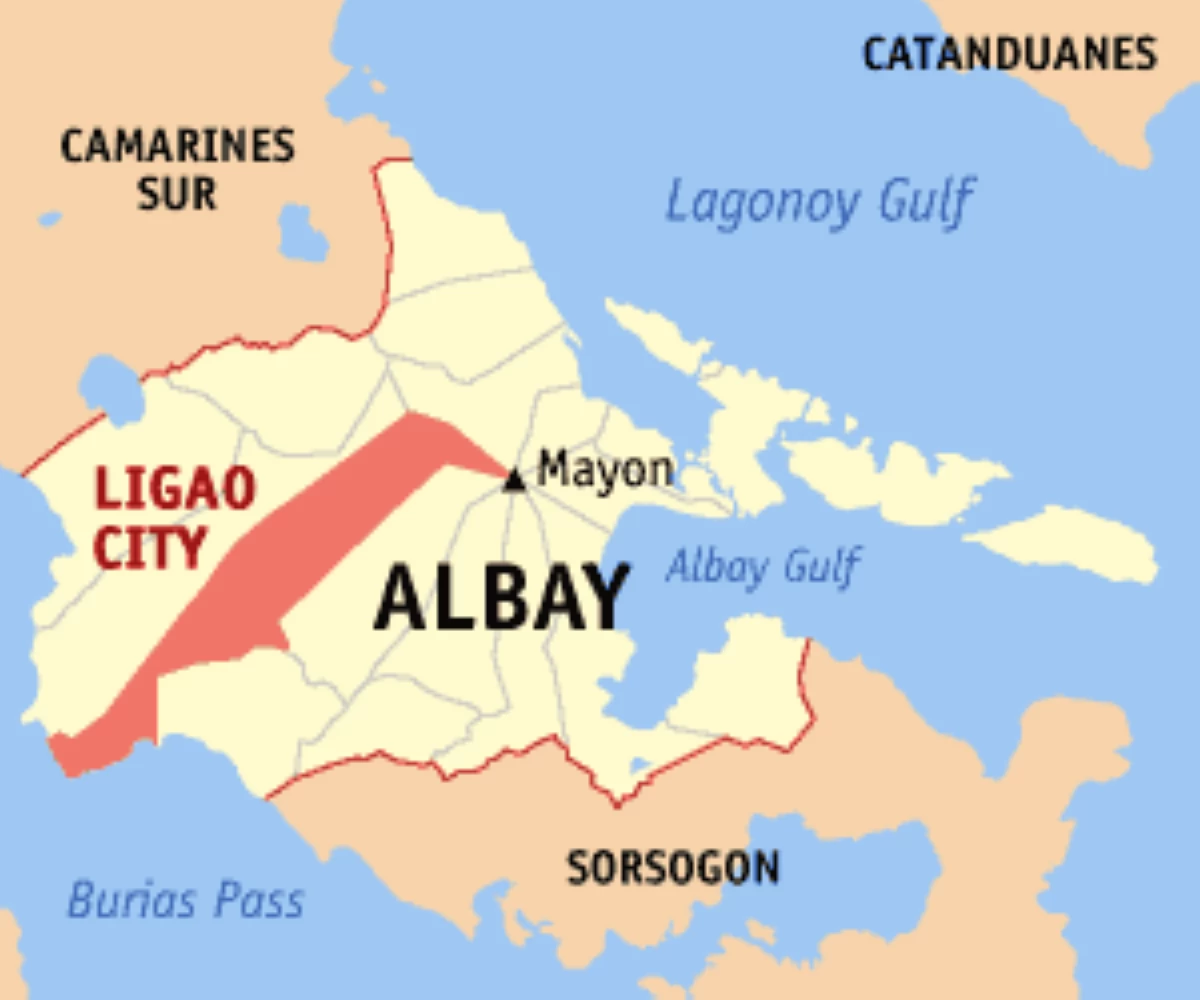
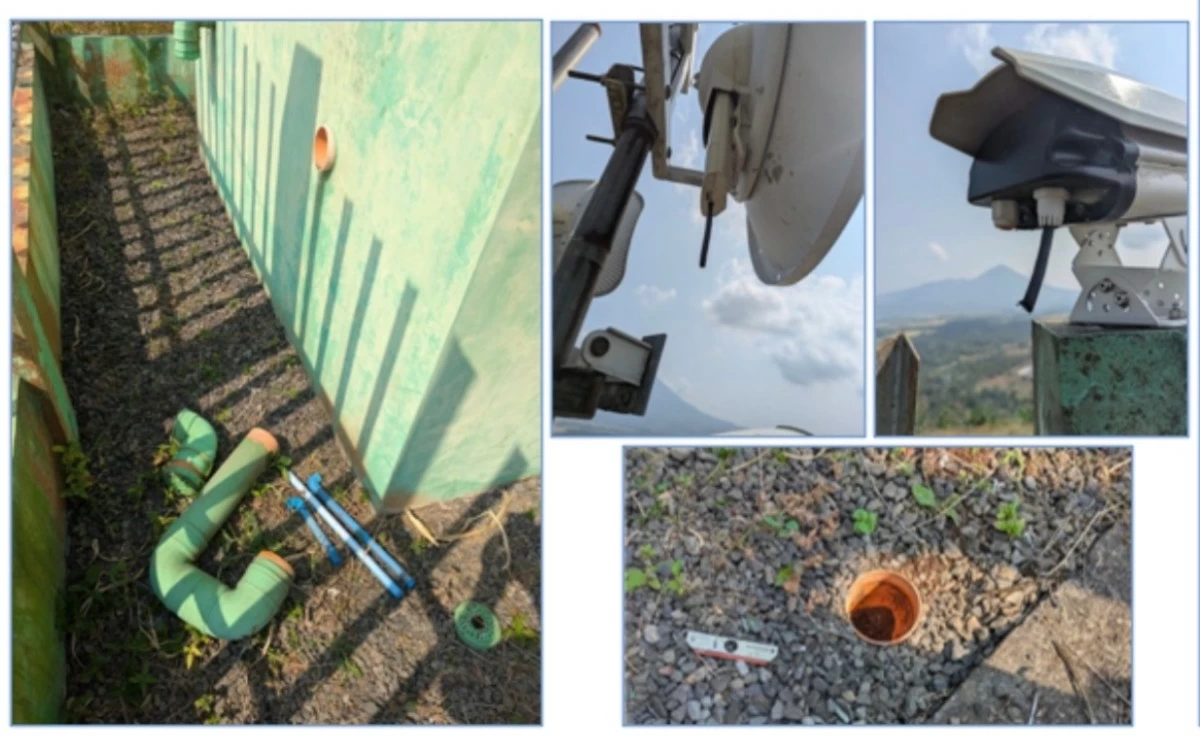
LEGAZPI CITY – The Philippine Institute of Volcanology and Seismology (Phivolcs) has reported that the Ligao Observation Station of Mayon Volcano is currently non-operational following the theft of critical equipment. The incident was discovered on April 19 during routine maintenance at the...
A total of 101 volcano-tectonic earthquakes have been recorded at Bulusan Volcano since 4:50 a.m. on Wednesday, April 22, indicating increased seismic activity at the restive volcano, according to the Philippine Institute of Volcanology and Seismology (Phivolcs). Phivolcs said the earthquakes,...
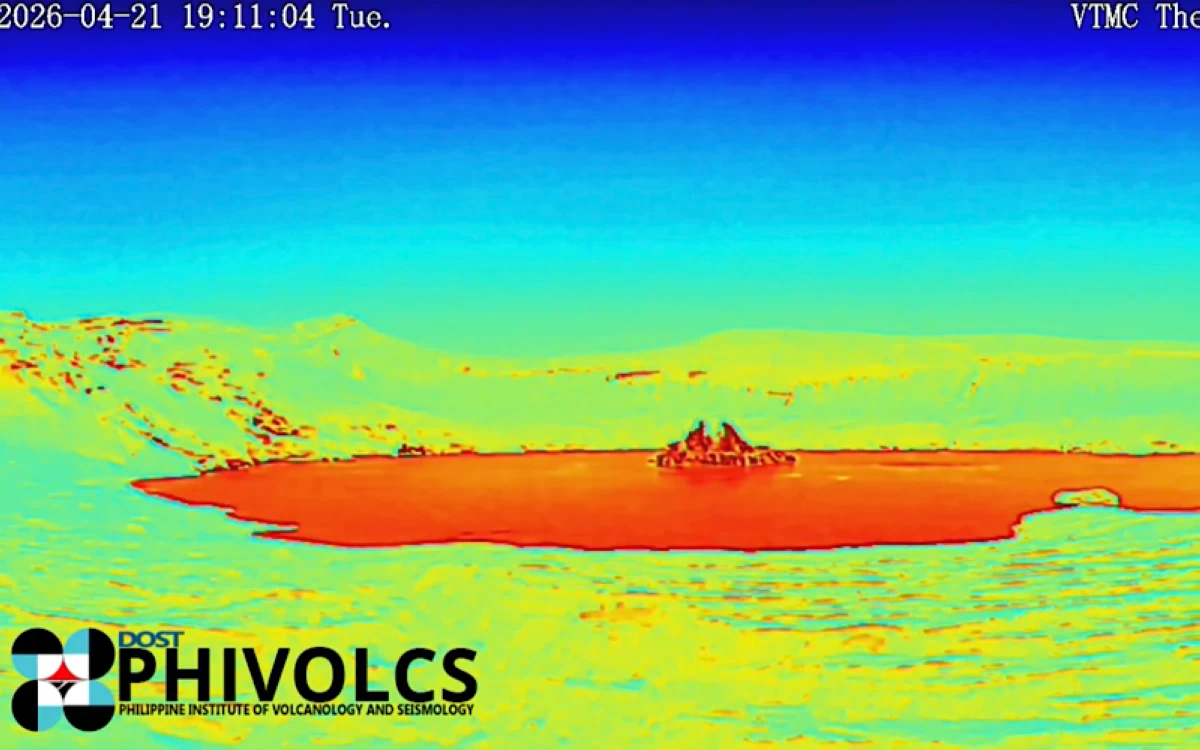
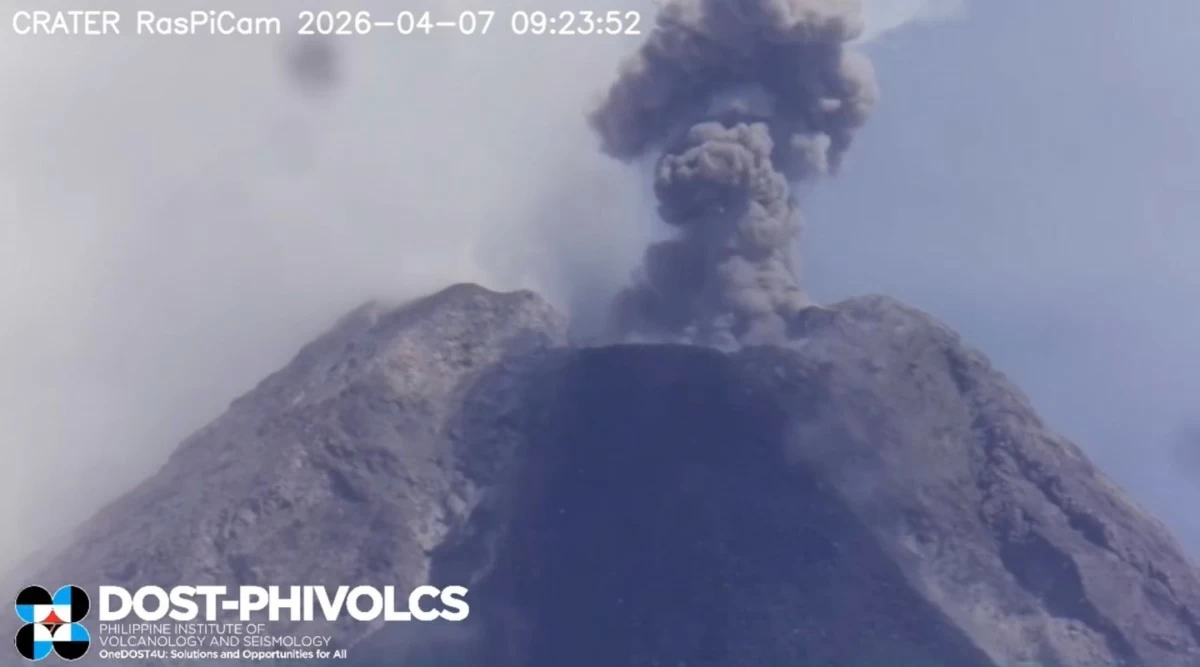
A very weak, minor phreatic or steam-driven eruption occurred at Taal Volcano on Tuesday evening, April 21, producing a plume that rose about 100 meters above the Main Crater, the Philippine Institute of Volcanology and Seismology (Phivolcs) reported. Time-lapse footage captured the brief event...
A volcano monitoring station in Ligao City, Albay has been rendered non-operational after its cables were cut and stolen, the Philippine Institute of Volcanology and Seismology (Phivolcs) said on Tuesday, April 21. The damage was discovered on April 19 during a routine maintenance check by...
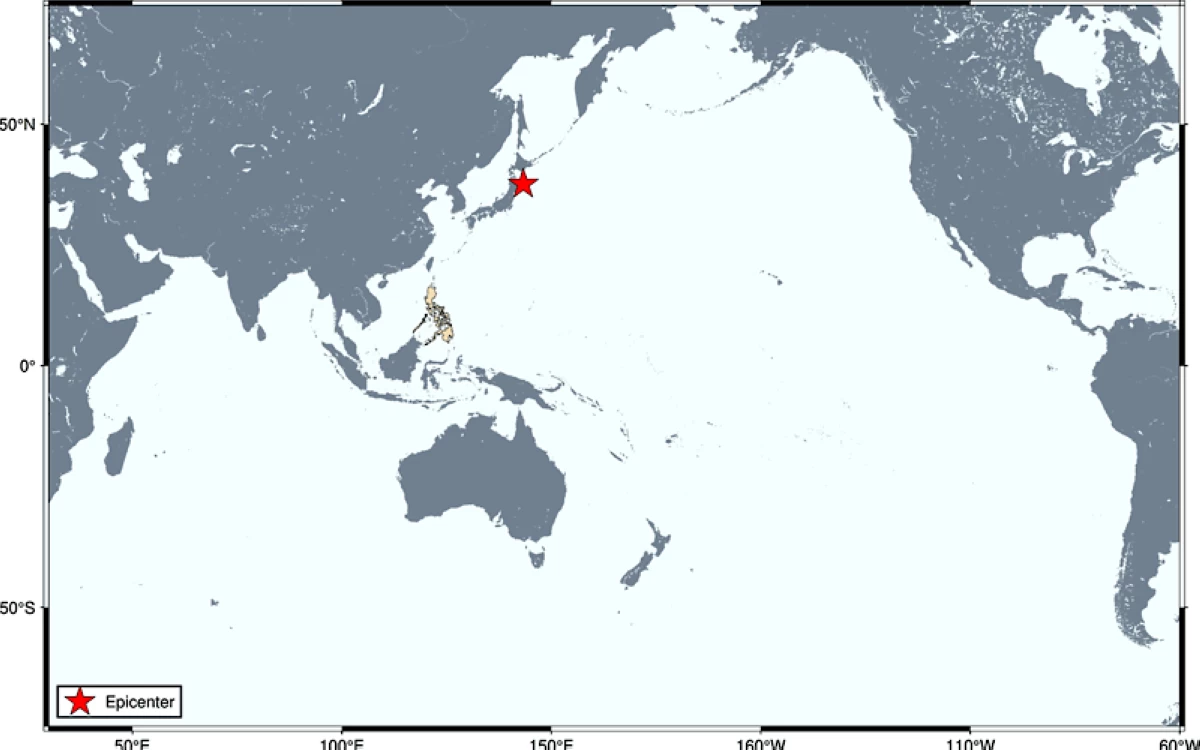
No tsunami threat has been recorded in the Philippines following a magnitude 7.4 earthquake off the east coast of Honshu, Japan on Monday afternoon, April 20, the Philippine Institute of Volcanology and Seismology (Phivolcs) said. Phivolcs said the earthquake occurred at 3:52 p.m. (Philippine...
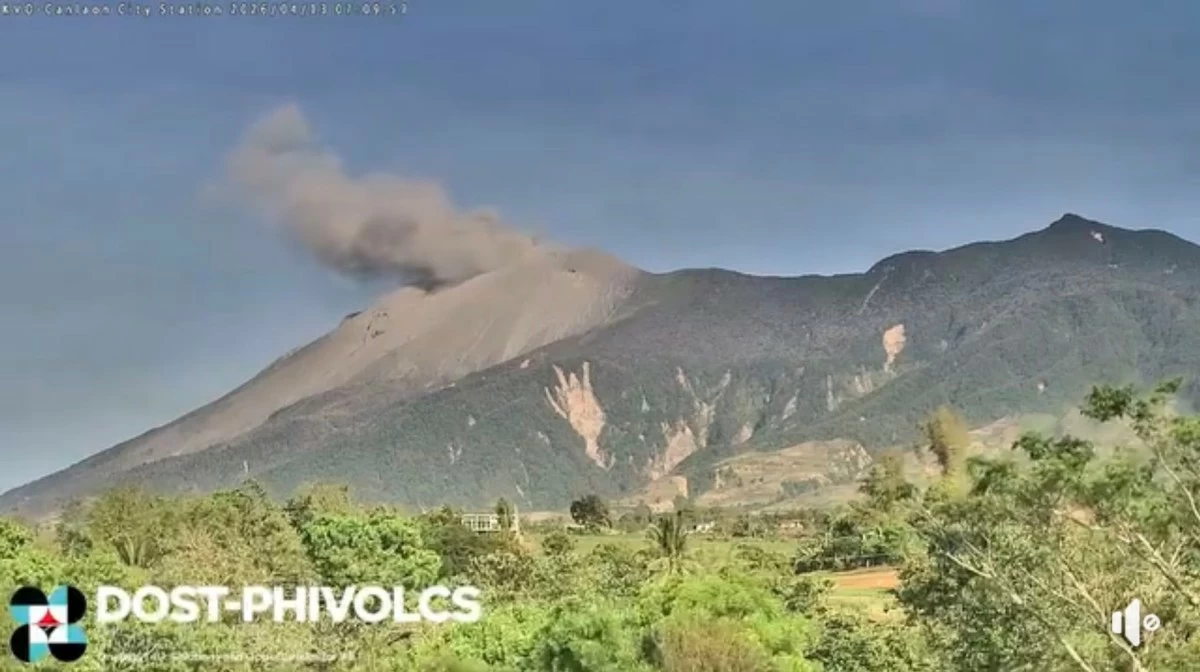
Kanlaon Volcano continued to show signs of unrest after an ash emission was recorded at its summit crater at 7:05 a.m. on Monday, April 13, the Philippine Institute of Volcanology and Seismology (Phivolcs) said. In its monitoring report, Phivolcs said the event produced grayish plumes that rose...
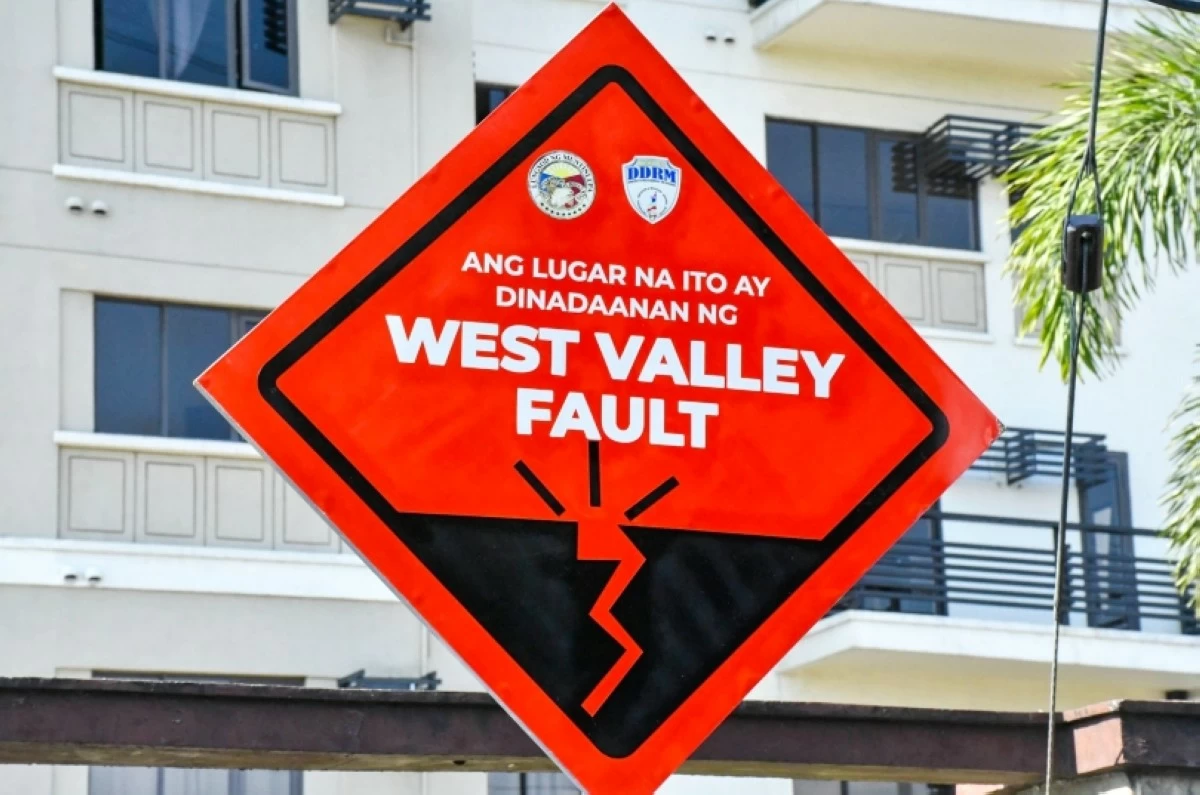
The Muntinlupa City government has begun installing permanent West Valley Fault markers as part of its awareness and preparation campaign for the so-called “Big One” earthquake. Mayor Ruffy Biazon led the launch in Barangay Sucat, joined by Director Teresito Bacolcol of the Department of...
Continued volcanic activity at Mayon has reached 91 consecutive days, marked by a sustained effusive eruption with persistent lava flows, intermittent lava fountaining, and ash emissions, according to the Philippine Institute of Volcanology and Seismology (Phivolcs). Short-lived lava fountaining...
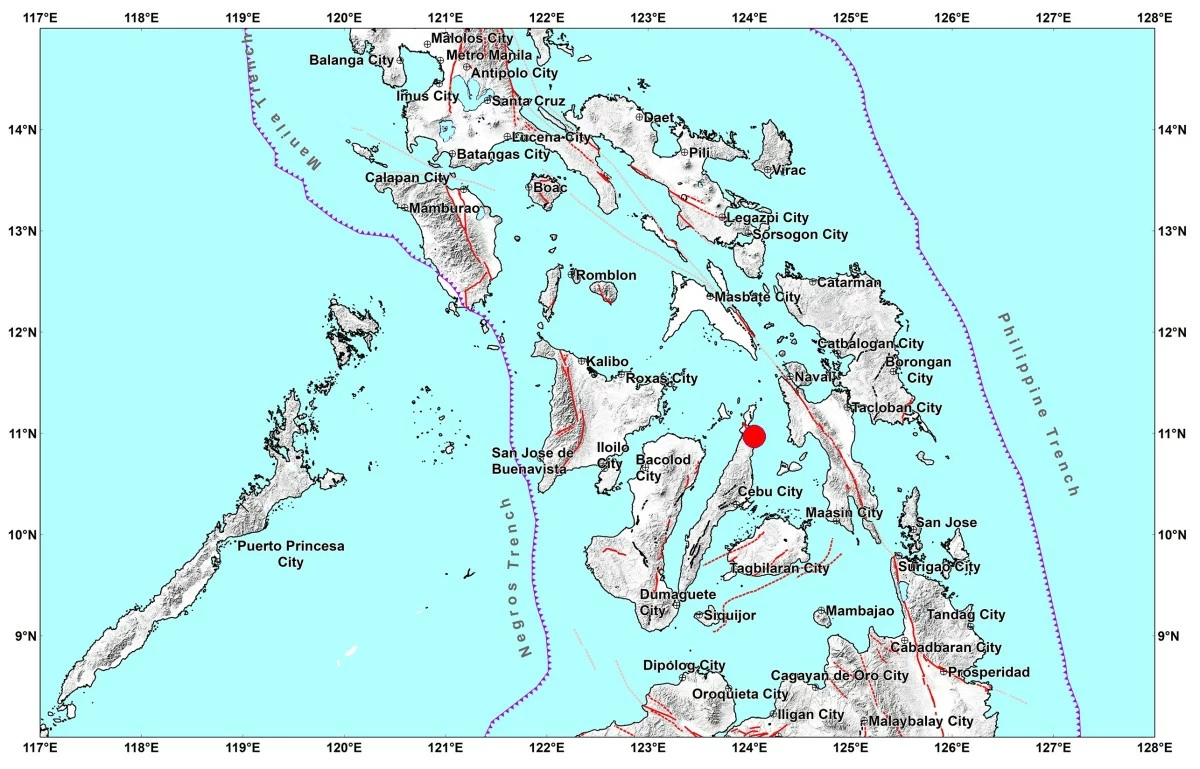
The Philippine Institute of Volcanology and Seismology (Phivolcs) confirmed that the magnitude 5.1 earthquake that shook Cebu and nearby provinces on Monday afternoon, April 6, was an aftershock of the powerful magnitude 6.9 quake that struck northern Cebu on Sept. 30, 2025. The tectonic...