







Mayon unloads thick clouds of gas, ash
Published May 2, 2026 06:33 pm


At A Glance
- Phivolcs says its pyroclastic density current, or 'uson'
- The volcano activity resulted in almost zero visibility on roads due to thick ashes.
- Mayon is currently under Alert Level 3
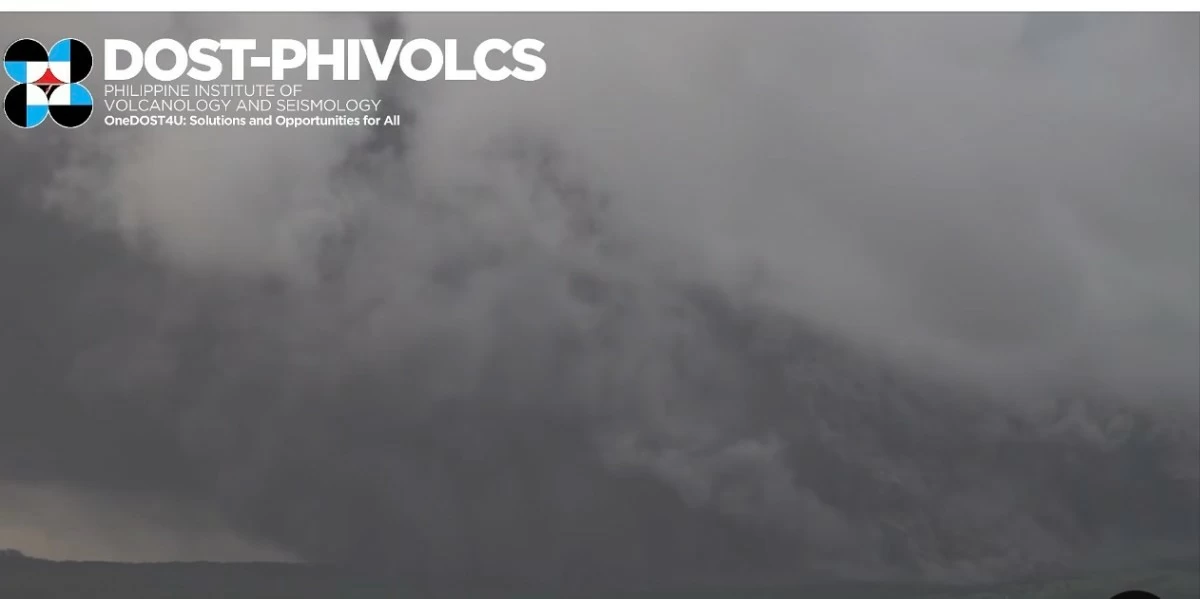
Screenshot
Mayon Volcano has emitted thick clouds of gas and ash late Saturday afternoon, May 2, sending local residents and motorists into panic as volcanic particles covered the roads and communities in some parts of Albay province.
The Philippine Institute of Volcanology and Seismology (Phivolcs) confirmed the eruption and described it as pyroclastic density current (PDC), or locally called uson.
The incident resulted in almost zero visibility on roads due to thick ashfall.
Mayon Volcano is currently under Alert Level 3, which means that the volcano has been showing intensified magmatic unrest that indicates high probability of a hazardous eruption within weeks or days.
In its May 2 update on Mayon monitoring, Phivolcs reported lava effusion with lava flow on Basud (3.8 kilometer), Bonga (3.2 km) and Mi-isi (1.6 km) gullies, with episodic minor strombolian activity and short-lived lava fountaining.
Strombolian eruptions are moderately explosive, rhythmic volcanic bursts that launch incandescent molten lava blobs, lapilli, and ash hundreds of meters into the air.
Phivolcs also recorded 39 volcanic earthquakes including 21 volcanic tremors (1 to 44 minutes long), and 376 tockfall events.
It also recorded around 2,147 of emitted sulfur dioxide on Friday, May 1.
Phivolcs has been advising local authorities to strictly implement no entry rule into 6-kilometer radius Permanent Danger Zone (PDZ), and no flying of any aircraft close to the Mayon Volcano.