






Manila Bulletin
 Philippines
National
Phivolcs records increased volcanic quakes at Bulusan; warns of possible phreatic eruptions
Philippines
National
Phivolcs records increased volcanic quakes at Bulusan; warns of possible phreatic eruptions
Philippines
National
Phivolcs records increased volcanic quakes at Bulusan; warns of possible phreatic eruptions
Phivolcs records increased volcanic quakes at Bulusan; warns of possible phreatic eruptions
Published Apr 22, 2026 03:59 pm


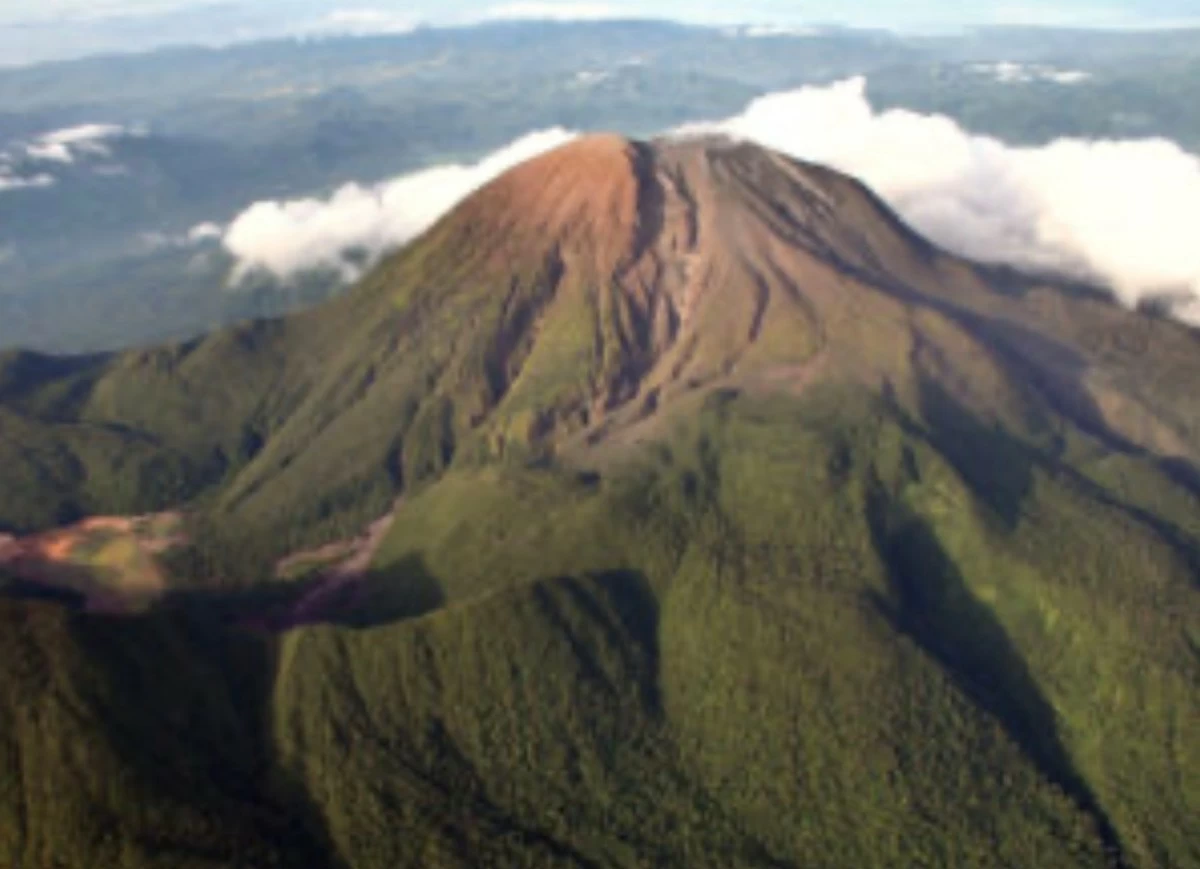
Bulusan Volcano (Phivolcs file photo)
A total of 101 volcano-tectonic earthquakes have been recorded at Bulusan Volcano since 4:50 a.m. on Wednesday, April 22, indicating increased seismic activity at the restive volcano, according to the Philippine Institute of Volcanology and Seismology (Phivolcs).
Phivolcs said the earthquakes, detected by the Bulusan Volcano Network in Sorsogon, were generated by rock fracturing associated with hydrothermal activity beneath the volcano.
“These volcano-tectonic events are generated by rock fracturing and most originated within 2.5 kilometers depth beneath the northern edifice of Bulusan Volcano,” the agency said.
Phivolcs added that degassing activity from the summit crater and active vents remained “very weak to moderate,” while sulfur dioxide emissions stayed at low levels, averaging 75 tons per day as of April 9.
“The increase in volcanic earthquake activity could indicate shallow hydrothermal processes beneath the volcano which could lead to steam-driven or phreatic eruptions at any of its summit vents,” it warned.
Alert Level 1 (low-level unrest) remains in effect over Bulusan Volcano.
It has been under this status since March 22 following sustained seismic activity and ground deformation observed in mid-March.
Phivolcs reminded local government units to strictly prohibit entry into the four-kilometer permanent danger zone and maintain vigilance within the two-kilometer extended danger zone on the southeast sector due to possible hazards including pyroclastic density currents, ballistic projectiles, rockfalls, avalanches, and ashfall.
“Communities west and downwind of the volcano are also advised to prepare for ashfall in case phreatic eruption occurs, paying special attention to vulnerable members of the community including the elderly, pregnant women, infants, and those with medical conditions,” it said.
Civil aviation authorities were also advised to keep aircraft away from the volcano’s summit due to the risk of ash emissions from sudden eruptions.
Phivolcs urged residents living in valleys and along river channels, particularly on the western flank of the volcano, to remain alert against possible sediment-laden stream flows and lahars during heavy and prolonged rainfall should eruptive activity occur.