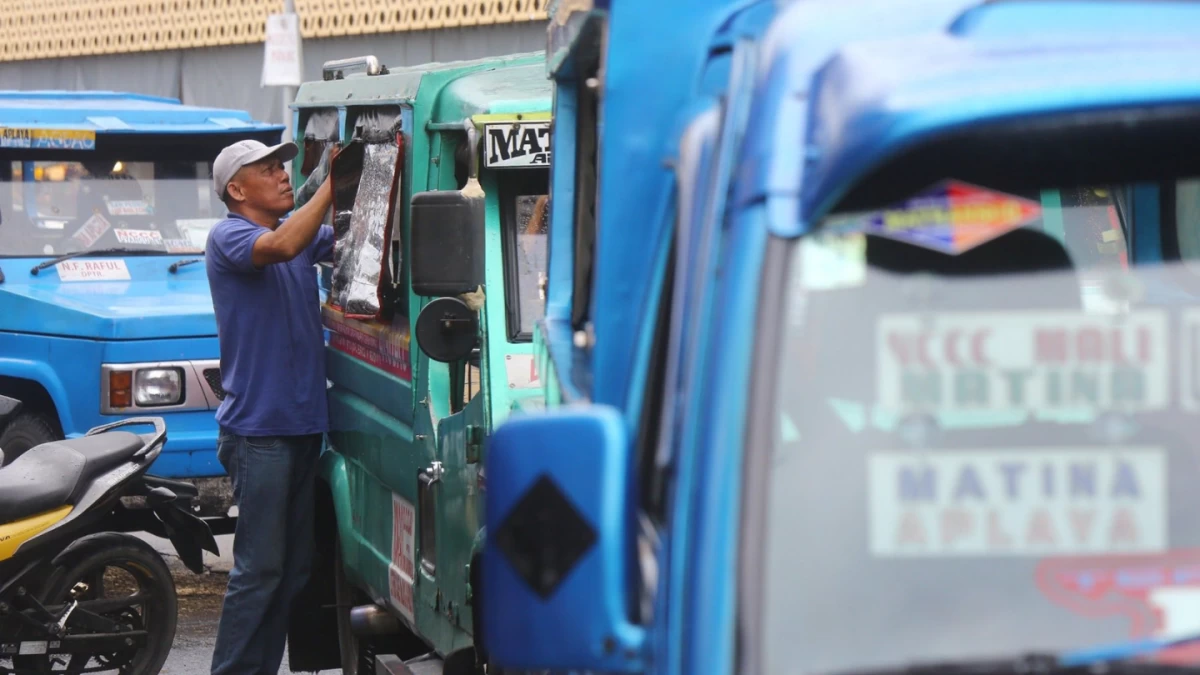
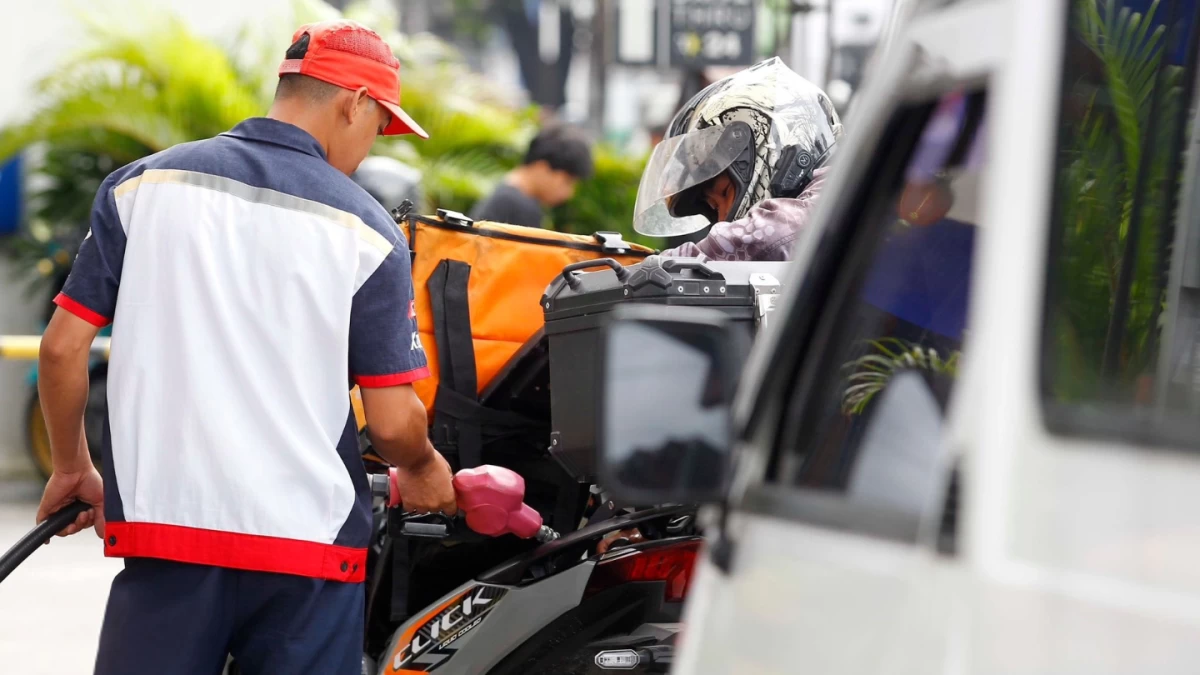
The interagency Fiscal Incentives Review Board (FIRB) has allowed registered business enterprises (RBEs) in economic zones and freeports to temporarily adopt work-from-home (WFH) arrangements of up to 90 percent of their workforce, following the declaration of a national energy emergency. In a...
Philippine economic recovery from the flood-control corruption fallout last year is seen as being derailed by escalating geopolitical risks from the Middle East conflict, according to the Asian Development Bank (ADB), which slashed its 2026 growth forecast to below target. Citing uncertainties tied...
British banking giant Barclays sees the Bangko Sentral ng Pilipinas (BSP) holding key interest rates steady at this month’s policy meeting before possibly hiking in June, in a bid to support the already weak economic growth outlook even prior to the war in the Middle East. “With the ceasefire...
The ceasefire-driven rally of Asian currencies, including the Philippine peso, may be short-lived as global oil risks linger, according to Singapore-based Oversea-Chinese Banking Corp. Ltd. (OCBC). In an April 9 report, OCBC Group Research foreign exchange (FX) strategists Sim Moh Siong and...
The Philippines’ energy rationing measures, including a shortened four-day workweek for some government offices, are disproportionately hitting low-income households, raising risks of stagflation and potential social unrest, according to think tank Oxford Economics. In a report on Thursday, April...
The jump in the March inflation rate has set the stage for a potential 50-basis-point (bp) rate hike by the Bangko Sentral ng Pilipinas (BSP) during the second quarter, according to global investment banking giant Goldman Sachs. In an April 7 report obtained by Manila Bulletin, Goldman Sachs...
Headline inflation, or annual price increases, soared to a 20-month high of 4.1 percent in March, as the war in the Middle East fueled skyrocketing oil prices. National Statistician and Philippine Statistics Authority (PSA) chief Claire Dennis S. Mapa told a press briefing on Tuesday, April 7, that...
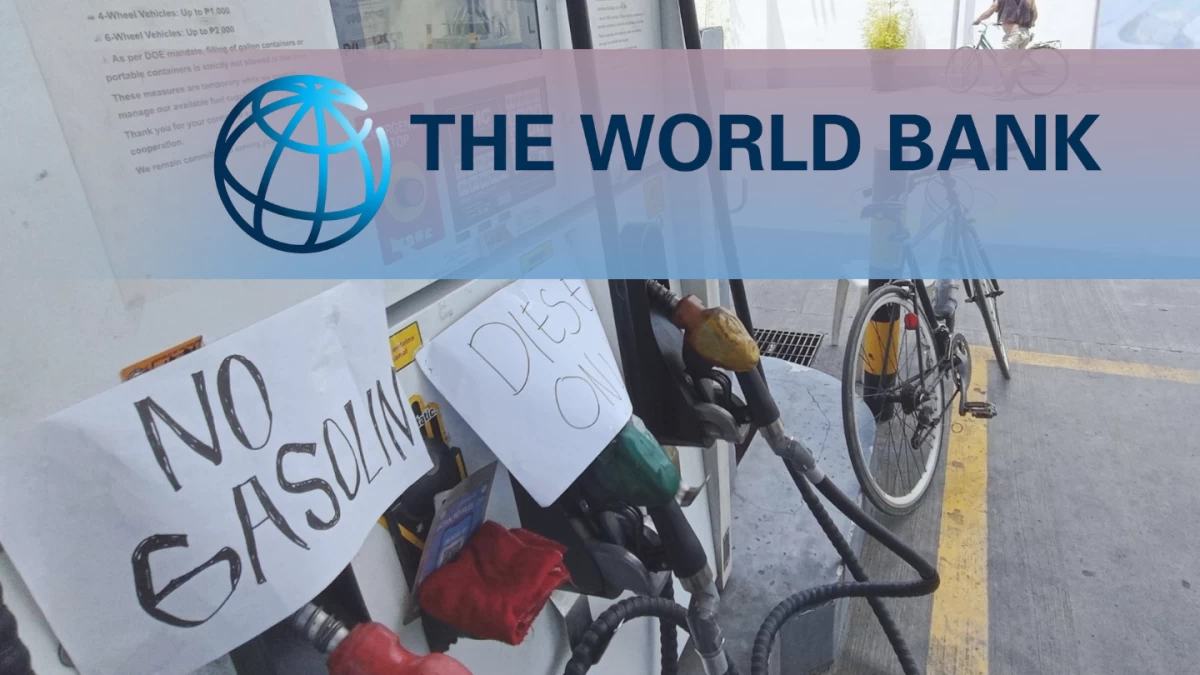
The Philippines is facing an inflationary shock that could spill over to slower economic growth, potential job losses, and more capital market outflows amid a prolonged Middle East conflict, according to the World Bank. The global oil price and supply shock wrought by the war in Iran would “raise...
If the war in the Middle East prolongs and global oil prices continue to skyrocket, the Philippine peso could breach the ₱61:$1 level in the second quarter of 2026 and even hit as low as ₱62 to ₱64 against the United States (US) dollar. “Our base case forecasts for the US dollar-Philippine...
Singapore-based United Overseas Bank Ltd. (UOB) expects the Bangko Sentral ng Pilipinas (BSP) to keep key interest rates unchanged this year, despite rising risks to growth and inflation from the ongoing war in the Middle East. “Amid persistent uncertainty over the Middle East conflict, we expect...
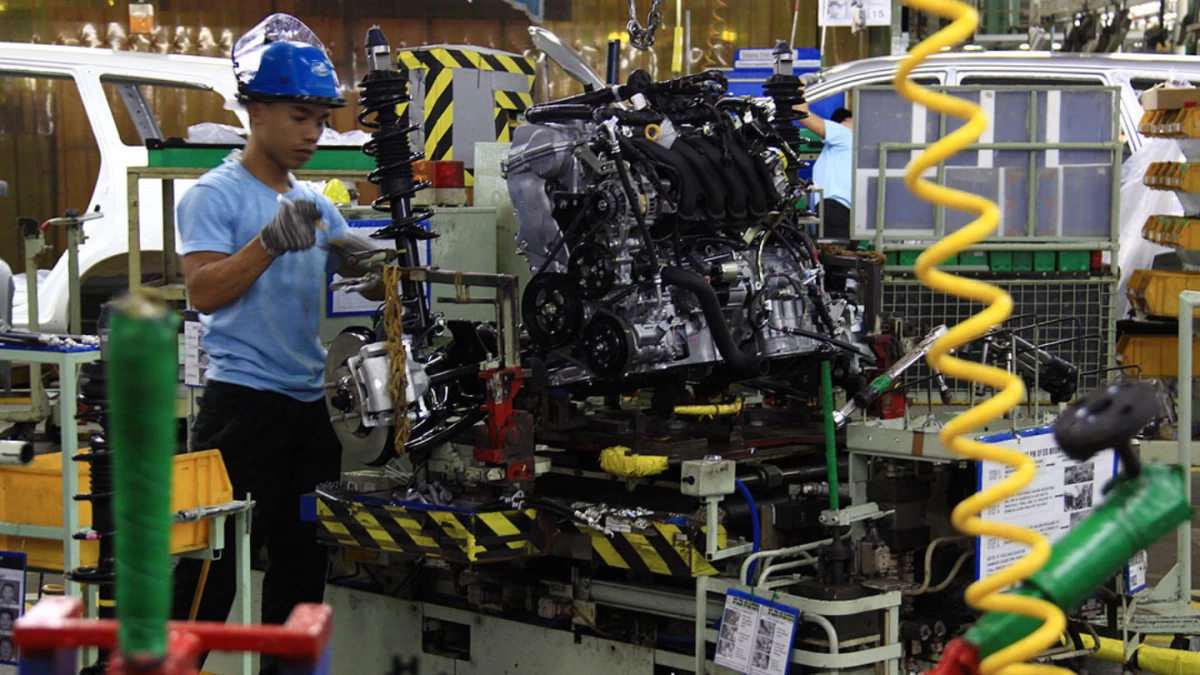
Philippine manufacturing growth slowed in March as input prices spiked amid rising energy costs tied to the war in the Middle East. In a report on Wednesday, April 1, S&P Global said the Philippines ’ purchasing managers’ index (PMI) eased to 51.3 last month from 54.6 in February, signaling a...
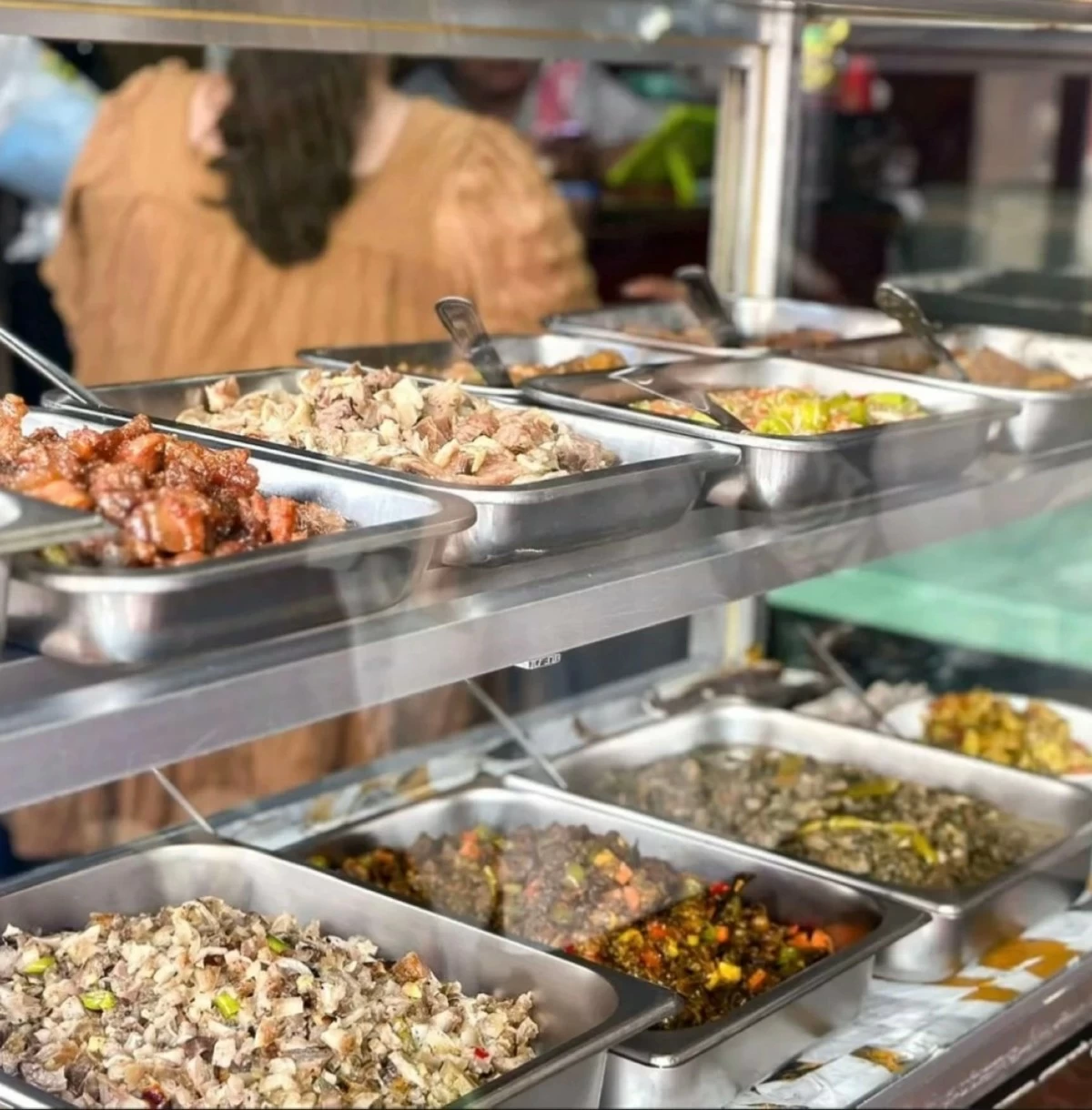
Amid the ongoing conflict in the Middle East that had pushed fuel prices, including liquified petroleum gas (LPG), to record highs, small eateries in Manila continue to grapple with the volatile economic situation, forcing them to turn to traditional and often cheaper alternatives just to keep...