






 Business
The Economy
Inflation surges to 20-month-high 4.1% in March as Middle East war fuels oil price spike
Business
The Economy
Inflation surges to 20-month-high 4.1% in March as Middle East war fuels oil price spike
Inflation surges to 20-month-high 4.1% in March as Middle East war fuels oil price spike


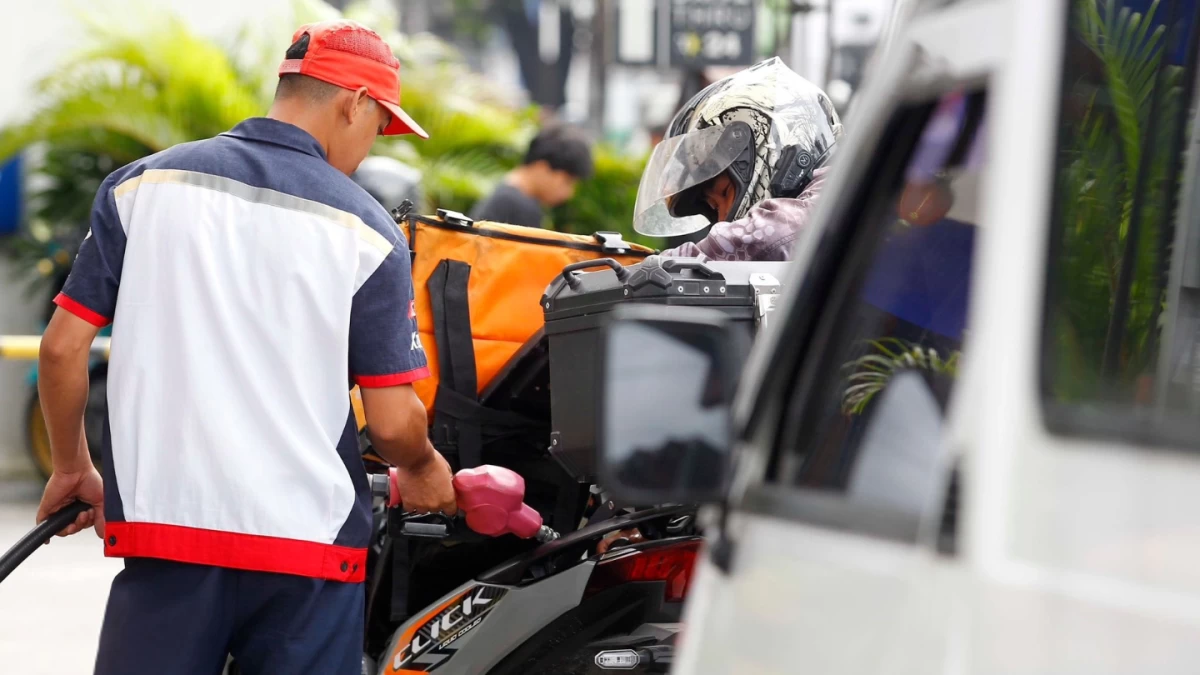
March has already shown signs that intensifying Middle East tensions were weighing on domestic prices, due to a continuous price shock in domestic petroleum prices, namely diesel, gasoline, and liquefied petroleum gas (LPG), affected by overall fuel supply volatility, according to Mapa.
The effect from the transport index is not new, as the PSA chief mentioned a similar situation at the onset of Russia’s invasion of Ukraine in 2022.
“We are seeing higher numbers by April because we had a series of price increases during the first week, and we are not seeing any development that it might go down,” he stressed.
While the government reported the sharp increase in the inflation rate, the full impact of rising costs on consumer behavior has yet to be determined, as the PSA is currently processing movements in the first quarter to determine if consumers have started scaling back on household spending. The official impact on the country’s gross domestic product (GDP) will be released in early May.
Meanwhile, the Department of Economy, Planning, and Development (DEPDev) has assured that protection measures for consumers are in place through a whole-of-government effort. Through Executive Order (EO) No. 110, or the Unified Package for Livelihoods, Industry, Food and Transport (UPLIFT), the UPLIFT committee would strategize on how to stabilize the costs of domestic fuel supply and lessen the burden on transport costs.
DEPDev said that the government has already activated the emergency fuel procurement program, as 165.6 million liters of diesel have been secured throughout this month. Toll rebates for public utility vehicles (PUVs) and cargo trucks have been deployed on major expressways.
Other measures included the anti-hoarding guidelines, which were designed to minimize the risks of “artificial fuel shortages”; the expansion of the ₱20 rice program; and logistics reports for vegetable transport have been carried out. Vehicles carrying agricultural products will likewise receive reduced fees at roll-on, roll-off (RORO) terminals.
PUV drivers, farmers, and fisherfolk will also have service contracting, cash aid, and fuel subsidies, as per initiatives under the UPLIFT program.
“Our immediate priority is to ensure the safety of Filipinos abroad and to deploy timely and tangible solutions by providing critical support for the transport sector, commuters, and industries, while simultaneously diversifying the energy mix,” said DEPDev Secretary Arsenio M. Balisacan.
“The government is firmly committed to ensuring the continuous delivery of services, even as we pursue decisive measures to enhance the resilience of our economy and institutions, carefully balancing short-term relief measures and longer-term considerations toward enabling the economy to recover high growth quickly,” he highlighted.