Public debt in the Philippines moved closer to the 60-percent level at the end of the first quarter of 2026, as the government continued to ramp up borrowings while the private sector remained cautious amid risks stemming from the war in the Middle East. The latest Global Debt Monitor of the...
Samarkand, UZBEKISTAN — The Asian Development Bank (ADB) said central banks should be cautious about raising interest rates too quickly in response to supply shock-driven inflation, even as the Bangko Sentral ng Pilipinas (BSP) is now widely expected to tighten monetary policy further after April...
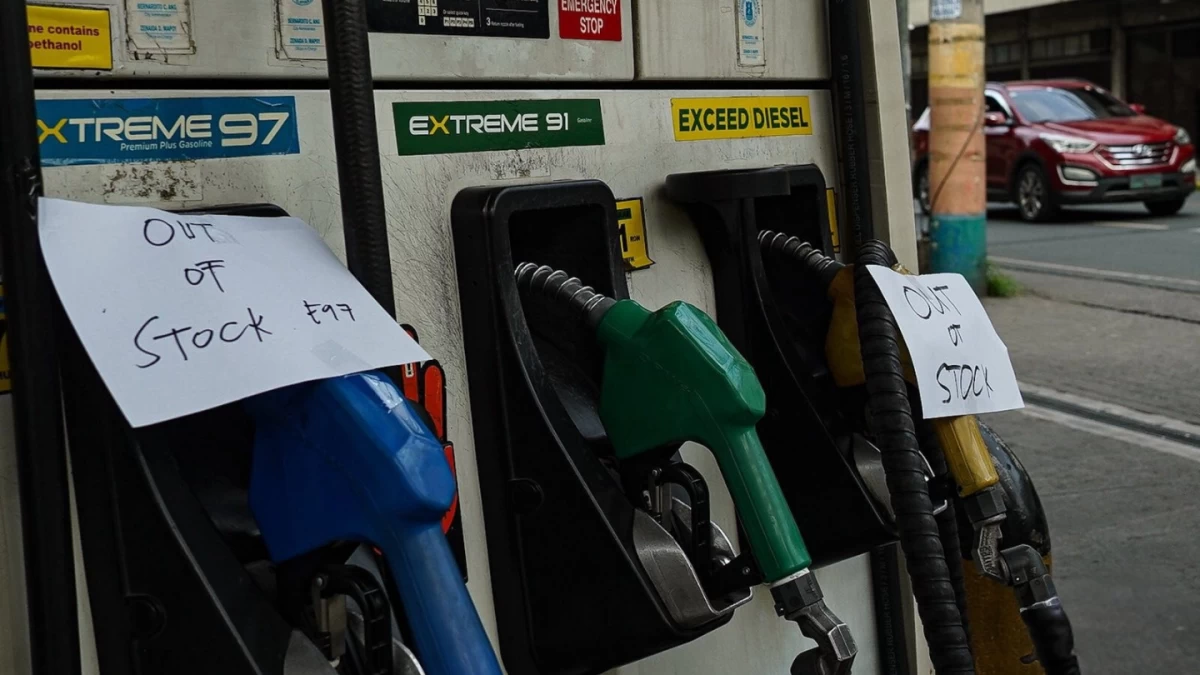
Headline inflation or annual price increases soared to a 37-month high of 7.2 percent in April, mainly as domestic fuel and food prices skyrocketed due to the global oil price and supply shocks caused by the prolonged war in the Middle East. The Philippine Statistics Authority ’s (PSA) latest...
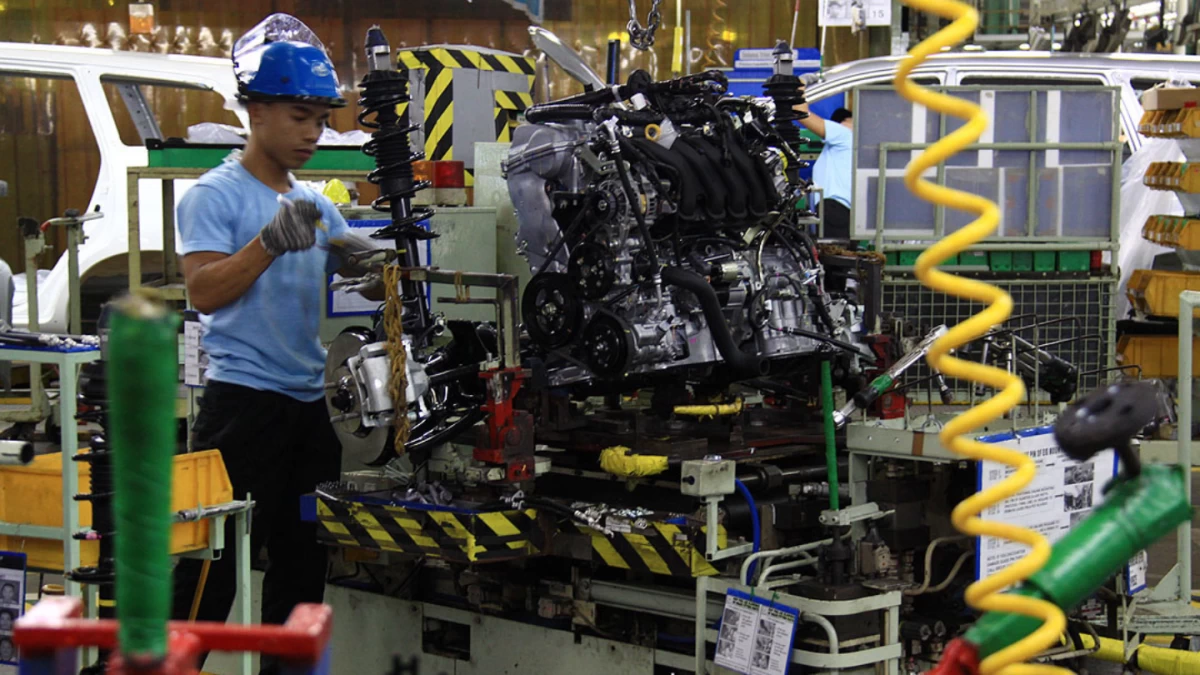
The Philippines’ manufacturing sector slipped into contraction in April amid the prolonged war in the Middle East that has driven up costs and disrupted trade flows, according to market intelligence firm S&P Global. The country ’ s purchasing managers’ index (PMI) fell to 48.3 last month...
Samarkand, UZBEKISTAN — Central bank and finance chiefs from across the Association of Southeast Asian Nations (ASEAN), China, Japan, and South Korea are bracing for slower economic growth and higher inflation risks amid a prolonged war in the Middle East. In a joint statement on Sunday, May 3,...
Signs of stagflation are surfacing in the Philippine economy as it enters the second quarter of 2026, with private sector economists warning of a precarious mix of stalled growth and surging consumer prices. The country’s economic output likely posted only a tepid recovery from the previous...
The peso is at risk of crumbling to a record low of ₱63 against the United States (US) dollar if a protracted Middle East conflict drives oil prices higher and forces Washington to adopt a more hawkish policy stance. Estimates by the Japanese financial giant MUFG Bank Ltd. show that in a risk...
Businesses have turned more pessimistic about the global economic outlook amid the ongoing United States (US)/Israel war with Iran, according to think tank Oxford Economics. In an April 30 report, Oxford Economics head of macro scenarios Jamie Thompson said the conflict in the Middle East is...
The World Bank Group (WBG) has warned that the war in the Middle East is set to trigger the biggest energy price surge in four years, fueling inflation, slowing economic growth, and worsening food insecurity across developing economies. In an April 28 statement, the Washington-based multilateral...
Some Filipinos classified as “non-poor” may actually be living in poverty, as current measurement methods fail to capture how resources are shared within households, according to state-run think tank Philippine Institute for Development Studies (PIDS). In a statement on Friday, April 24, PIDS...
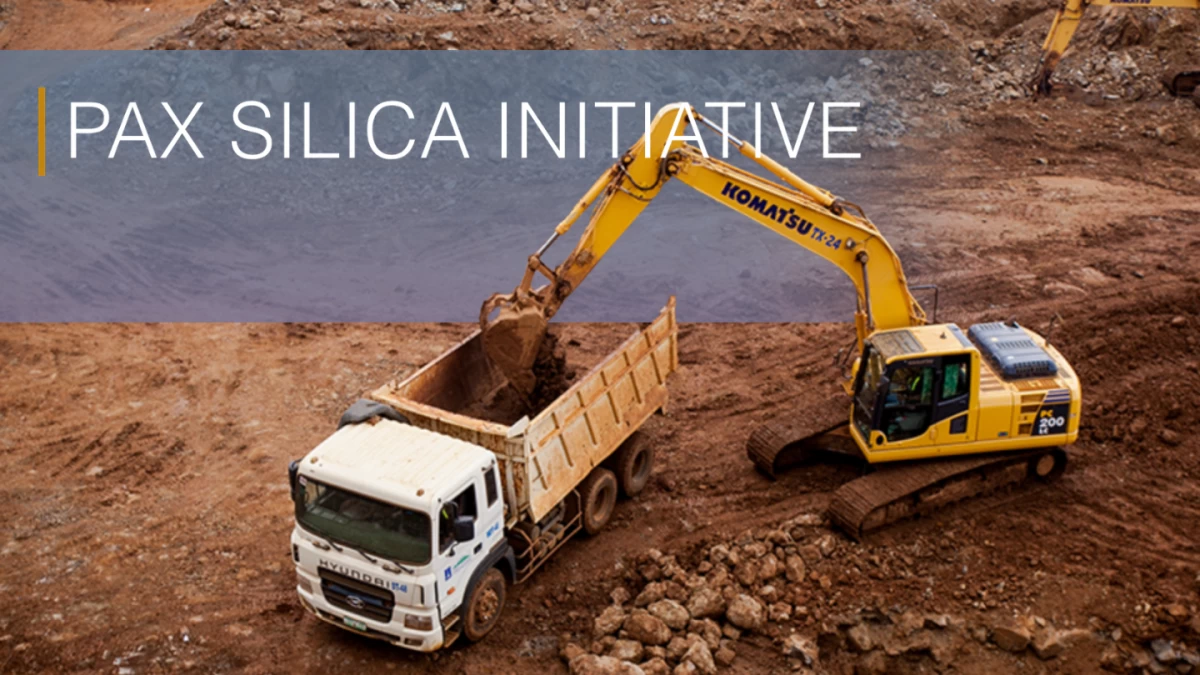
The soon-to-rise United States (US) economic security zone in the Philippines could strengthen the country’s role in global supply chains for semiconductors and critical minerals, potentially moving the local industry beyond its current focus on low-value assembly and testing, according to the...
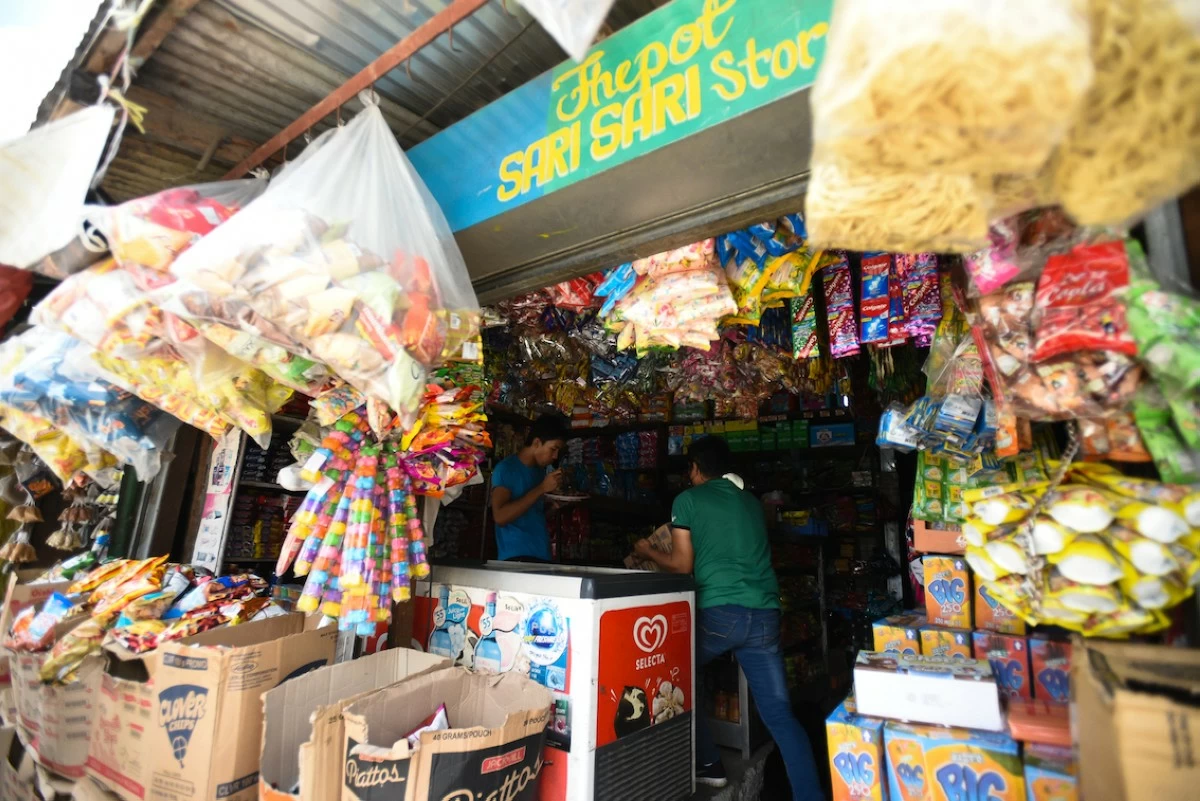
Sari-sari stores recorded a 90-percent surge in sales in March as rising global oil prices triggered widespread stockpiling among micro-retailers and households, according to homegrown tech startup Packworks. In a statement on Thursday, April 23, Packworks said that based on over one million...