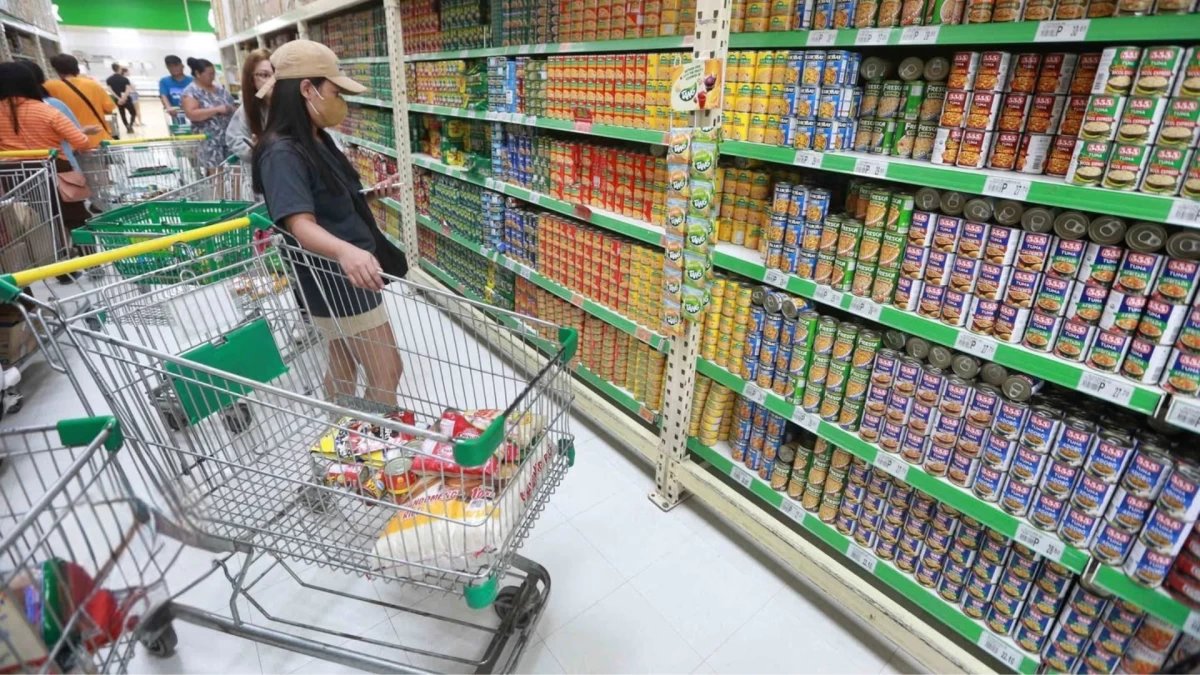
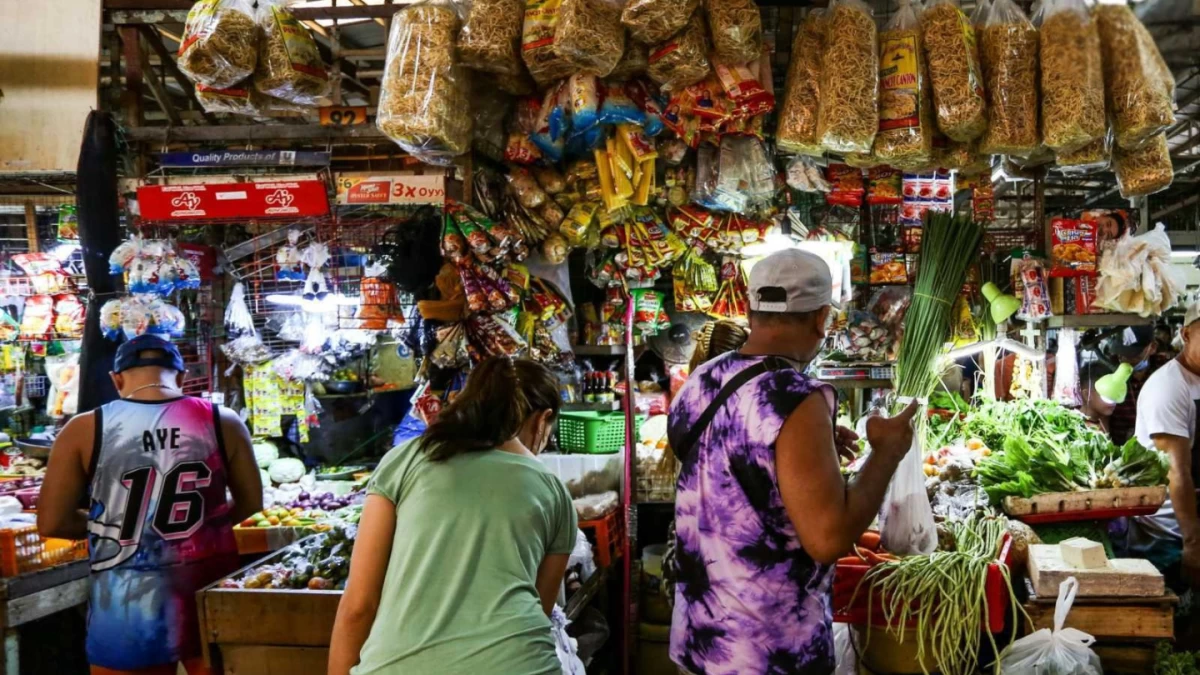
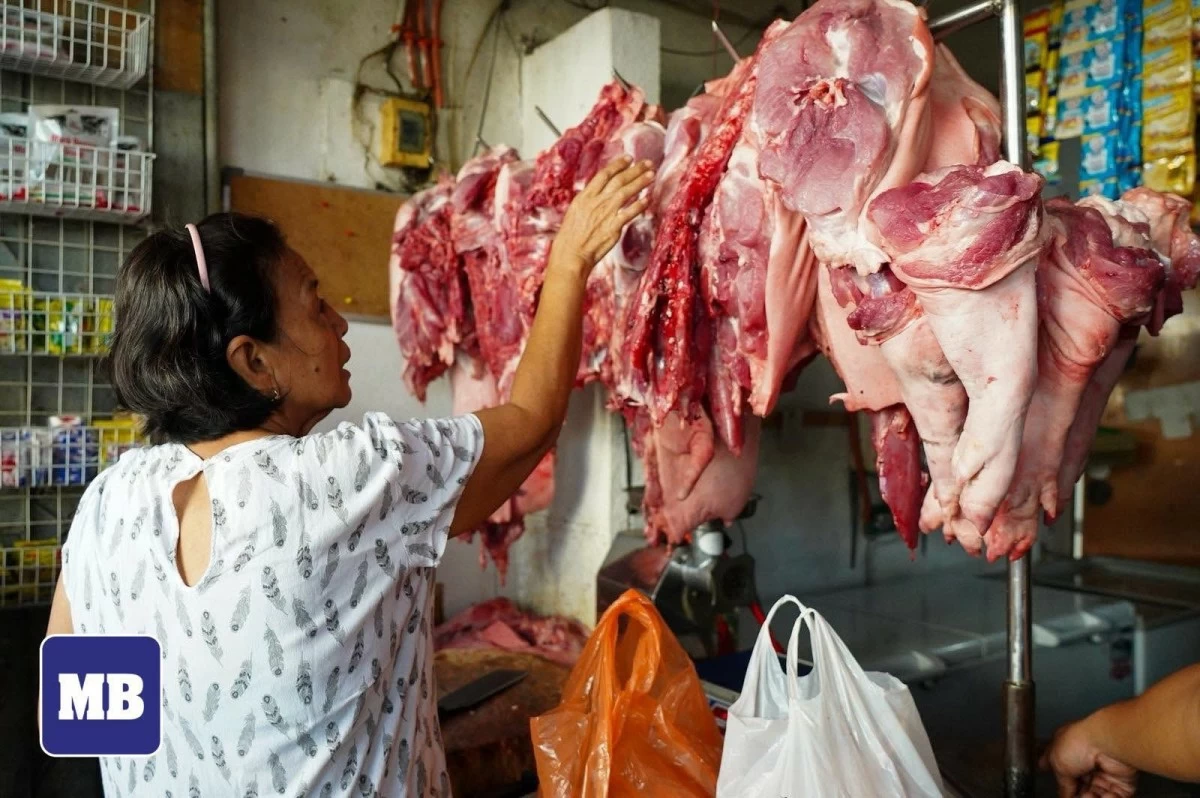
Filipino consumers face a renewed risk of higher retail prices as manufacturers move to pass escalating production costs onto buyers, according to a Goldman Sachs Group Inc. report obtained by the Manila Bulletin. In the commentary, Goldman Sachs economists Chris Poh and Danny Suwanapruti noted...
Despite lingering upside risks to inflation, China Banking Corp. (Chinabank) expects the Bangko Sentral ng Pilipinas (BSP) to conclude its rate-hiking cycle this August, arguing that second-round inflation effects have largely dissipated. The projection follows a third consecutive month of...
The government attributed the easing of inflation in July to lower transport costs, improving supply conditions, and sustained interventions, even as officials vowed to continue measures aimed at stabilizing food prices and shielding vulnerable households from rising living costs. The Philippine...
Economic growth in the second quarter of 2026 may have slowed further to a post-pandemic low as Filipinos pumped the brakes on borrowing and spending, while public expenditure remained lackluster. In a report obtained by the Manila Bulletin, US financial giant Goldman Sachs Group Inc. noted that...
The World Bank urged the Philippines to accelerate power sector reforms to lower electricity costs and reduce its dependence on imported fuel, saying cheaper and more reliable power has become critical to sustaining economic growth, attracting investments, and reducing poverty after the country’s...
Elevated inflation, sluggish state spending, and rising import costs may have dragged Philippine gross domestic product (GDP) growth down to 2.5 percent in the second quarter, slowing further from an already five-year low of 2.8 percent in the previous quarter. Frankfurt-based Deutsche Bank AG...
Private-sector economists are divided over the trajectory of Philippine inflation in July, though they broadly agree that lingering climate risks, geopolitical tensions, and a weaker peso will compel the central bank to keep interest rates elevated. Forecasts for July headline consumer prices span...
The central bank expects consumer price growth to have slowed to a three-month low in July, driven by cheaper staple foods, even as a weakening currency and elevated energy costs threaten to sustain inflationary pressures. Headline inflation likely settled between 5.6 percent and 6.6 percent in...
Asia-Pacific (APAC) banks, including Philippine lenders, are facing a tighter monetary policy environment amid subdued domestic demand, as regional economies remain vulnerable to a resurgence in inflation driven by El Niño. “APAC banks face weaker domestic demand and tighter policy settings in...
A “triple threat” of crude oil prices topping $80 per barrel, Metro Manila’s ₱85 daily wage hike, and severe El Niño conditions could push third-quarter Philippine inflation back to levels seen during the height of the Middle East crisis and prompt the Bangko Sentral ng Pilipinas (BSP) to...
Bangko Sentral ng Pilipinas (BSP) Governor Eli M. Remolona Jr. said the Philippine peso’s recent fall to its weakest level on record was “misleading,” citing the tremendous strength of the United States (US) dollar against major currencies. Last Friday, July 24, the peso sank to a fresh...
Controlling the rising prices of commodities remains the top national concern among Filipinos, with 57 percent saying it should be the government’s immediate priority. This was according to the latest Pulse Asia survey, conducted through face-to-face interviews from June 28 to July 3 and 6,...