






Manila Bulletin
 Business
The Economy
Triple threat: UA&P warns oil, wage hike, El Niño to slow Philippine growth
Business
The Economy
Triple threat: UA&P warns oil, wage hike, El Niño to slow Philippine growth
Business
The Economy
Triple threat: UA&P warns oil, wage hike, El Niño to slow Philippine growth
Triple threat: UA&P warns oil, wage hike, El Niño to slow Philippine growth
Published Jul 29, 2026 01:26 pm


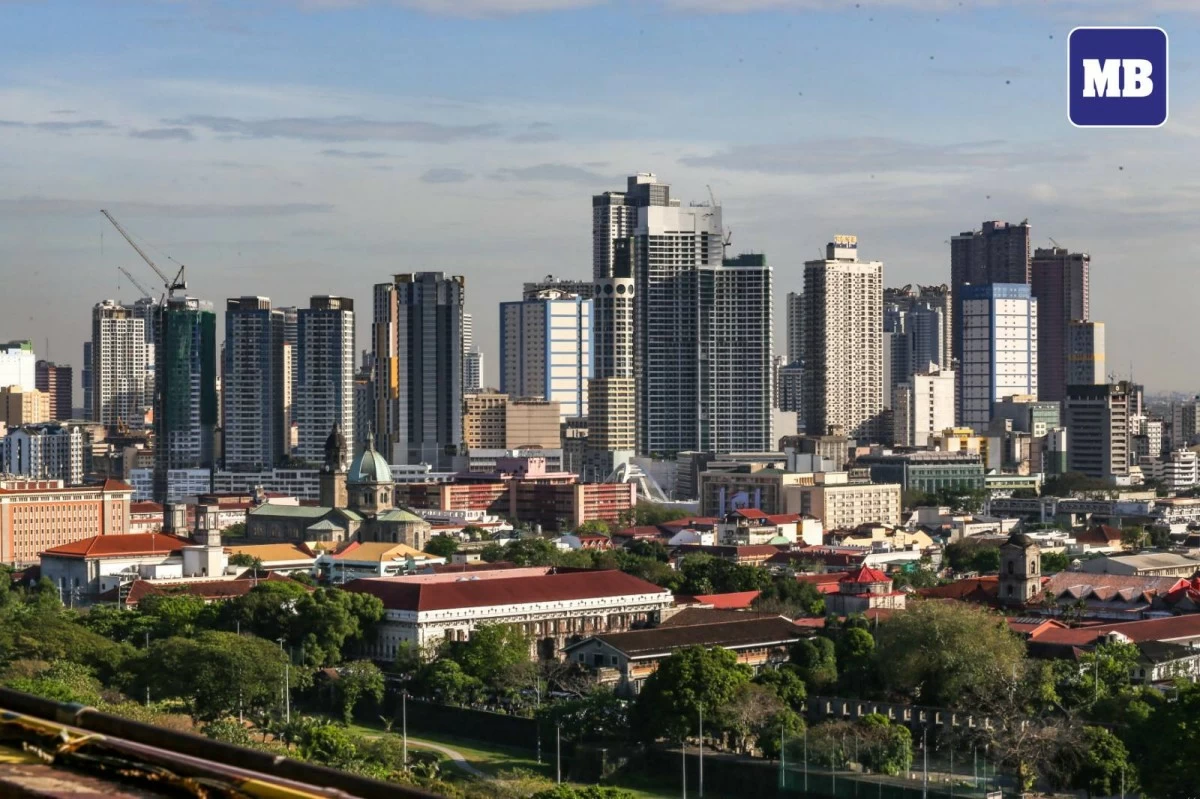
A “triple threat” of crude oil prices topping $80 per barrel, Metro Manila’s ₱85 daily wage hike, and severe El Niño conditions could push third-quarter Philippine inflation back to levels seen during the height of the Middle East crisis and prompt the Bangko Sentral ng Pilipinas (BSP) to raise interest rates some more, according to University of Asia and the Pacific (UA&P) economists.
In its “The Market Call: Capital Markets Research” report for July released last Tuesday, July 28, UA&P’s Business Economics Club (BEC) said it expects the Philippine economy to expand by 2.5 percent in the second quarter, slower than the 2.8-percent growth recorded in the first quarter, as mounting inflationary pressures, subdued business optimism, and still-soft macroeconomic data continue to weigh on the outlook. The government will report on the country’s second-quarter gross domestic product (GDP) performance on Aug. 7.
UA&P said persistent price pressures could keep the BSP on the hawkish side, with 50 basis points (bps) of rate hikes in store for this year.
“This [BSP] tightening cycle comes as inflation threatens to breach seven percent, driven by a compounding triple threat of an intense El Niño season, the substantial NCR [National Capital Region] wage increase, and renewed Middle East tensions,” the report said.
“The BSP is likely to maintain a cautious policy stance as broadening price pressures, second-round effects, and the sudden upward minimum wage adjustment continue to pose upside risks,” UA&P said.
Despite the weaker growth outlook, the report said recent economic indicators point to a “gradual” recovery as easing crude oil prices have started to temper the impact of the earlier oil price shock and provide some relief to the peso.
Headline inflation eased to 6.4 percent in June from 6.8 percent in May, while manufacturing activity remained in expansion territory, with the purchasing managers’ index (PMI) improving to 50.9. Factory output also stayed resilient as the volume of production index (VoPI) expanded by 10.2 percent in May, maintaining its double-digit pace despite slowing from 11.7 percent in April.
The labor market remained broadly stable, with the unemployment rate edging up to 4.8 percent in May from 4.7 percent in April as the labor force grew faster than employment.
Meanwhile, remittance inflows remained resilient in May, providing continued support for household spending.
“Remittance growth remained firm despite geopolitical tensions in the Middle East, elevated living costs in host economies, and softer global economic activity continued to weigh on overseas workers’ capacity to remit,” UA&P said.
“Peso remittances are expected to remain a key pillar of household consumption and foreign exchange earnings. While geopolitical risks and softer labor market conditions abroad may keep growth in the low single digits, resilient overseas employment and continued demand for Filipino workers should support steady remittance inflows in the coming months,” the report added.
Exports grew by 7.4 percent, while capital goods imports surged 22.6 percent year-on-year to $3.73 billion in May, signaling sustained investment demand despite elevated financing costs.
Overall, “some soft recovery is underway, though persistent above-target inflation and subdued business optimism may undermine the recovery narrative,” UA&P said.
On the financial markets, the Philippine Stock Exchange index (PSEi) climbed 4.7 percent month-on-month to 6,037.17 in June, while net foreign selling narrowed by 85.3 percent from May to ₱1.4 billion.
According to UA&P, the local market is likely to consolidate around second-quarter corporate earnings, although conservative corporate guidance leaves room for upside surprises, while a broader rally would depend on concrete diplomatic breakthroughs in the United States (US)-Iran conflict. - Danielle T. Bayani