






Manila Bulletin
 Philippines
National
Pulse Asia: Controlling rising prices remains Filipinos' top concern
Philippines
National
Pulse Asia: Controlling rising prices remains Filipinos' top concern
Philippines
National
Pulse Asia: Controlling rising prices remains Filipinos' top concern
Pulse Asia: Controlling rising prices remains Filipinos' top concern
By Jel Santos
Published Jul 20, 2026 03:20 pm



(MB FILE PHOTO)
Controlling the rising prices of commodities remains the top national concern among Filipinos, with 57 percent saying it should be the government’s immediate priority.
This was according to the latest Pulse Asia survey, conducted through face-to-face interviews from June 28 to July 3 and 6, 2026.
“Inflation is followed by corruption (43%) and workers’ pay (36%),” the survey released on Monday, July 20, stated.
According to Pulse Asia, poverty and criminality ranked fourth among the country’s most urgent national concerns, cited by 26 percent and 22 percent of respondents, respectively.
“Illegal drugs (19%) and employment (15%) comprise a fifth set of responses, while a sixth group of issues includes lowering oil prices (13%), promoting peace (11%), addressing the problem of involuntary hunger (11%), and enforcing the rule of law (11%),” it added.
Likewise, the survey showed that Filipinos want the government to immediately address issues involving assistance to farmers (9 percent), tax reduction (7 percent), environmental protection (6 percent), support for small entrepreneurs (5 percent), and aid for calamity-hit areas (5 percent).
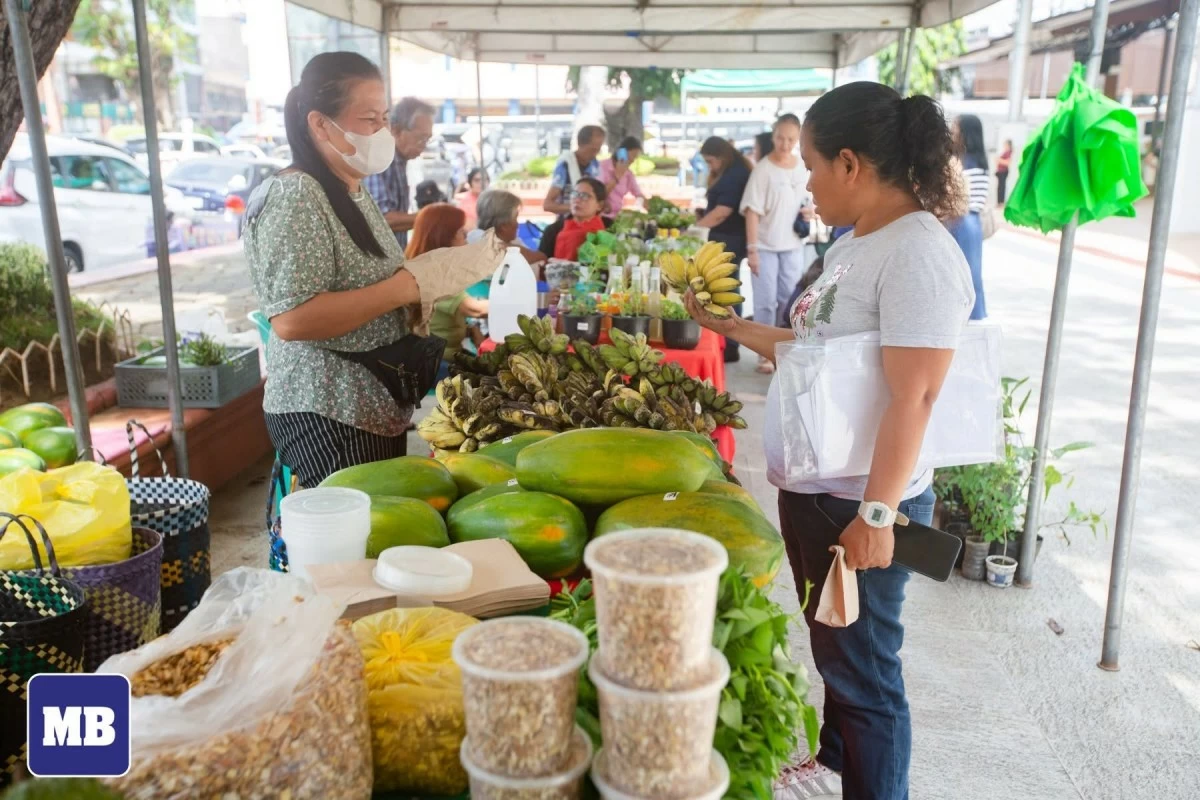
(MB FILE PHOTO)
Pulse Asia said that only a small percentage of respondents identified defending national territorial integrity (3 percent), protecting the welfare of overseas Filipino workers (2 percent), and preparing for terrorist threats (1 percent) as the country’s most urgent national concerns.
Per the survey, inflation ranked as the top urgent national concern in most regions and socioeconomic classes, except in Metro Manila, where corruption slightly outranked inflation, and among respondents in Class ABC, who most frequently cited corruption, inflation, and workers’ pay.
Meanwhile, it noted that issues such as support for small entrepreneurs, environmental protection, aid for calamity-hit areas, national territorial integrity, OFW welfare, and terrorism were cited by fewer than 10 percent of respondents across all geographic and socioeconomic subgroupings.

(MB FILE PHOTO)
Admin fails to secure majority approval
The survey found that the Marcos administration did not receive majority approval in any of the 19 governance issues evaluated in July 2026, with notable shifts in public ratings recorded in 13 areas compared with the March 2026 survey.
According to Pulse Asia, the administration posted its highest approval ratings in efforts to protect the welfare of overseas Filipino workers (46 percent) and respond to the needs of calamity-hit areas (42 percent).
However, respondents gave plurality to majority disapproval ratings on the remaining issues, led by controlling inflation (77 percent), fighting illegal drugs (70 percent), curbing corruption (68 percent), reducing poverty (61 percent), lowering fuel prices (59 percent), and addressing criminality (56 percent).
Also, the survey showed that public opinion was nearly evenly split between disapproval and indecision on the administration’s efforts to address terrorist threats and assist small entrepreneurs, while views on defending national territorial integrity and helping farmers were almost evenly divided among approval, disapproval, and undecided responses.
Compared with March 2026, Pulse Asia said approval ratings declined in eight governance areas, including criminality, promoting peace, reducing taxes, and protecting OFW welfare.
Disapproval ratings, meanwhile, increased in 10 areas, led by promoting peace, terrorist threats, national territorial integrity, and criminality. Indecision became more pronounced on helping farmers and environmental protection, but eased on promoting peace and poverty reduction.