








At A Glance
- Asia-Pacific (APAC) banks, including Philippine lenders, face a tighter monetary policy environment amid subdued domestic demand, as their economies remain vulnerable to a resurgence in inflation driven by El Niño.
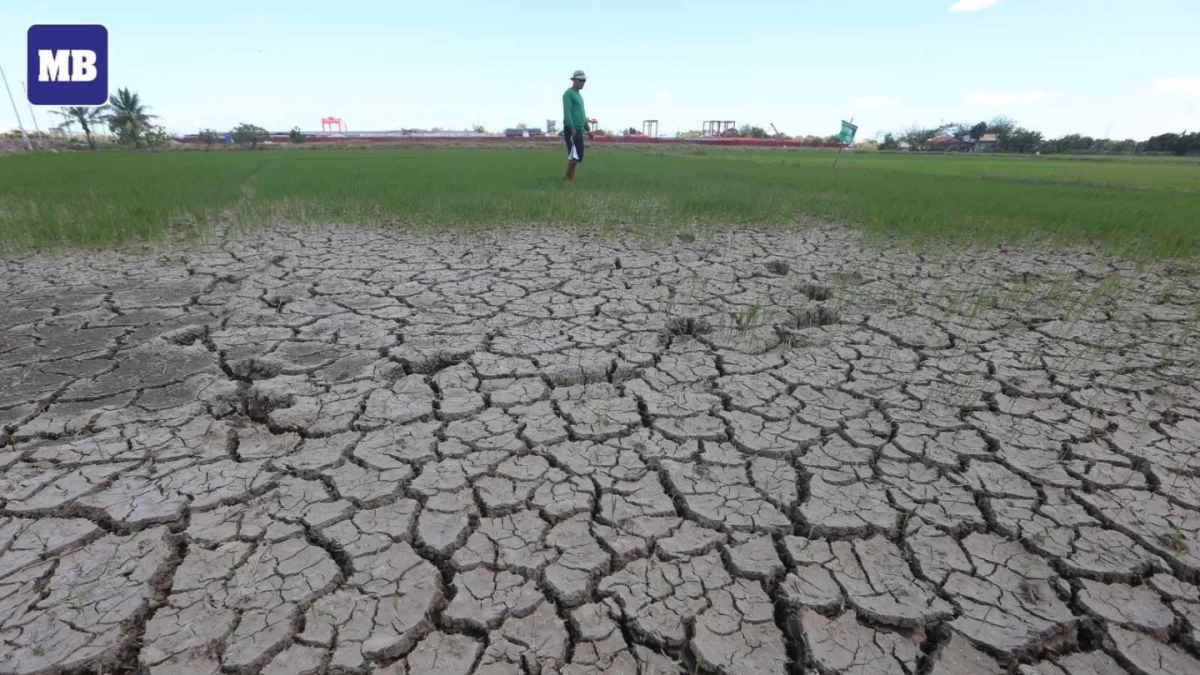
Asia-Pacific (APAC) banks, including Philippine lenders, are facing a tighter monetary policy environment amid subdued domestic demand, as regional economies remain vulnerable to a resurgence in inflation driven by El Niño.
“APAC banks face weaker domestic demand and tighter policy settings in markets such as the Philippines and Sri Lanka, in contrast with China’s resilient growth and easing deflationary pressures,” global debt watcher Fitch Ratings wrote in its July 30 report.
Since the conflict between the United States (US) and Iran erupted in late February, the Bangko Sentral ng Pilipinas (BSP) has already raised key borrowing costs twice to 4.75 percent.
These tightening efforts aim to quench overheating inflation ignited by the closure of the Strait of Hormuz—a critical waterway through which a quarter of the world’s oil supply is shipped.
Think tank Moody’s Analytics noted a distinct shift from rate easing to a new hiking cycle driven by Middle East tensions.
“After energy prices jumped, the debate flipped to how long rates would need to stay high,” Moody’s said, pointing specifically to the BSP’s hawkish stance alongside central banks in Indonesia, Singapore, Japan, Australia, New Zealand, and South Korea.
Beyond the re-escalation of the US-Iran conflict, another major threat is beginning to weigh on the local economy.
“Another key risk is the developing El Niño weather pattern, which looks set to bring hotter and drier conditions to much of the region in the second half of the year,” said Moody’s economists Eugene Tan and Stefan Angrick.
“Lower rainfall could reduce crop yields and hurt food supplies, particularly if conditions prove more severe than anticipated and countries are underprepared,” Moody’s added.
This weather-related shock typically leads to elevated food prices, a scenario that could compel the BSP to push borrowing costs even higher. Moody’s noted that the previous El Niño event, which stretched from late 2023 to early 2024, similarly drove local consumer prices upward.
The central bank’s key benchmark rate previously peaked at 6.25 percent in August 2024 before the BSP initiated rate cuts. Headline inflation averaged 6.0 percent in 2023 before easing to 3.2 percent in 2024, pulling price growth back within the government’s two to four percent target band.
However, inflation surged again to peak at 7.2 percent in April, before easing to 6.8 percent in May and slowing further to 6.4 percent in June. While interest rates were raised to tame this supply-driven inflation, the BSP still expects price pressures to remain elevated through next year.