







BSP signals cooling inflation even as US-Iran war resurges
By Derco Rosal
Published Jul 31, 2026 12:24 pm


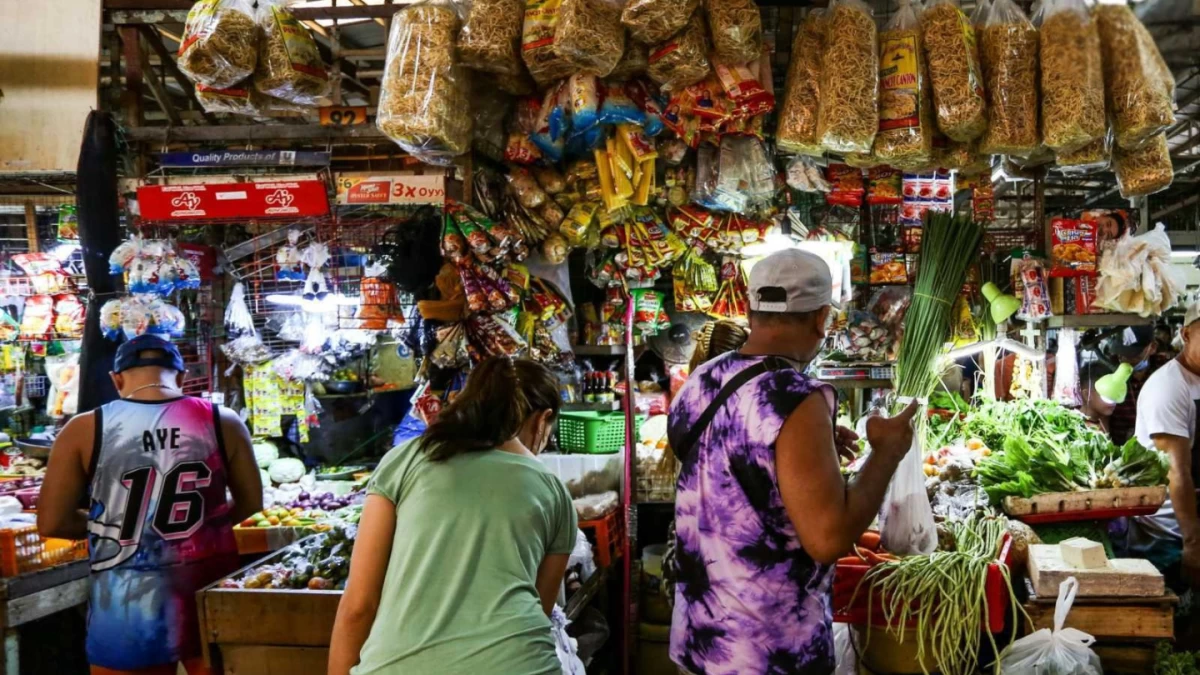
The central bank expects consumer price growth to have slowed to a three-month low in July, driven by cheaper staple foods, even as a weakening currency and elevated energy costs threaten to sustain inflationary pressures.
Headline inflation likely settled between 5.6 percent and 6.6 percent in July, compared with 6.4 percent in June, according to forecasts released by the Bangko Sentral ng Pilipinas (BSP) on Friday, July 31.
A lower-end print of 5.6 percent would mark the third consecutive month of cooling since April’s peak of 7.2 percent, which was triggered by geopolitical tensions in the Middle East. Meanwhile, the upper-end estimate of 6.6 percent would represent a slight month-on-month acceleration.
“Upside price pressures during the month could stem from elevated domestic petroleum pump prices, higher electricity rates, increasing fish prices, and the depreciation of the peso against the strengthening United States dollar,” the BSP said in a statement.
“These pressures are expected to be mitigated by lower prices of key food commodities, including rice, meat, vegetables, and fruits,” the central bank added.
Price growth first breached the BSP’s four percent target ceiling in March following the Middle East flare-up. Core inflation—which strips out volatile items like food and energy—has similarly shown signs of easing.
Despite the re-escalation of the United States-Iran conflict, the BSP maintained a cautious outlook, noting that its projections already account for the “heightened uncertainty” surrounding geopolitical developments.
Mandated to maintain price stability, the central bank emphasized its commitment to monitoring inflation and gross domestic product (GDP) data to guide its policy stance and track broader economic impacts.
BSP Governor Eli M. Remolona Jr. noted that central bank models have integrated the ongoing US-Iran tensions, the record ₱85 wage increase in Metro Manila, and proposed tax measures pushed by President Ferdinand R. Marcos Jr.
Remolona previously indicated that the policy-setting Monetary Board (MB) could adopt more aggressive tightening if risks converge, though he stressed that the chances of a hawkish shift remain low.
In its June meeting, the BSP raised its inflation forecasts for 2026 and 2027 to 6.4 percent and 4.5 percent, respectively, from 6.3 percent and 4.3 percent, both remaining well above the four percent ceiling.
Since hostilities erupted in late February, the BSP has raised key borrowing costs twice, bringing the benchmark rate to 4.75 percent. The MB is scheduled to hold its fourth policy meeting of the year on Aug. 27, followed by meetings on Oct. 22 and Dec. 17.