President Marcos retains ample fiscal room to expand government borrowing to support infrastructure and development programs, according to his chief economic manager, brushing off concerns over sovereign debt that has climbed to its highest level relative to economic output in more than two...
The Philippines’ debt as a share of economic output is expected to remain elevated above 60 percent of gross domestic product (GDP) this year as the government ramps up borrowings to support its response to the national energy emergency amid the prolonged war in the Middle East. Based on the...
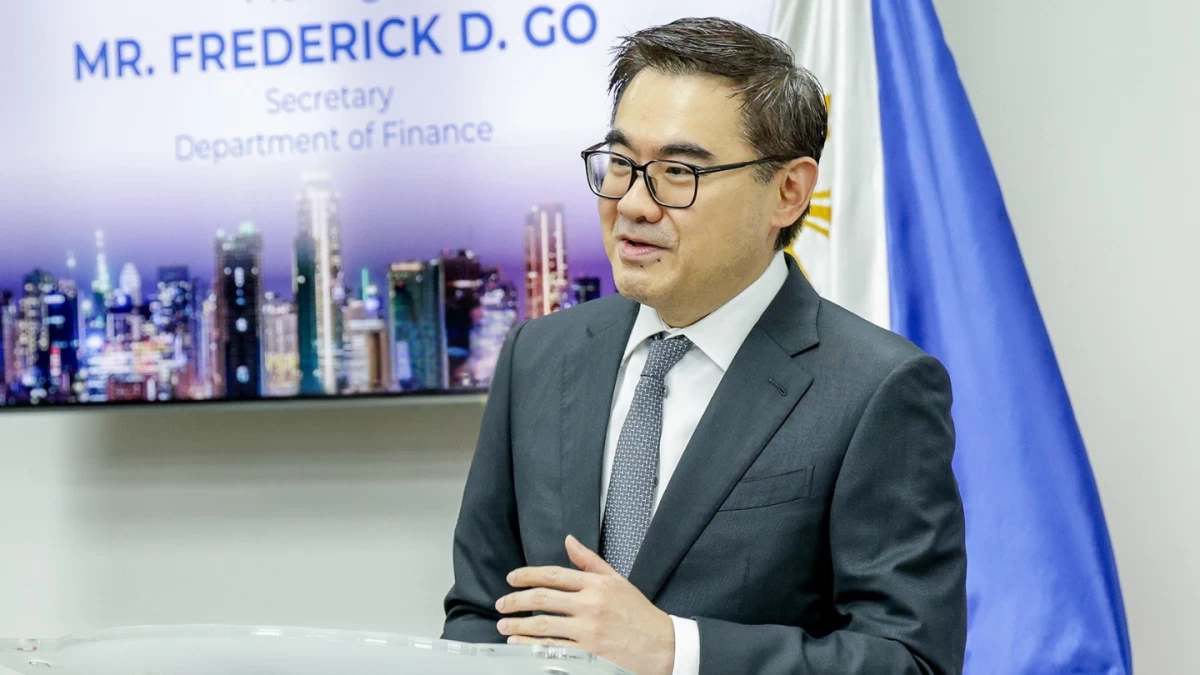
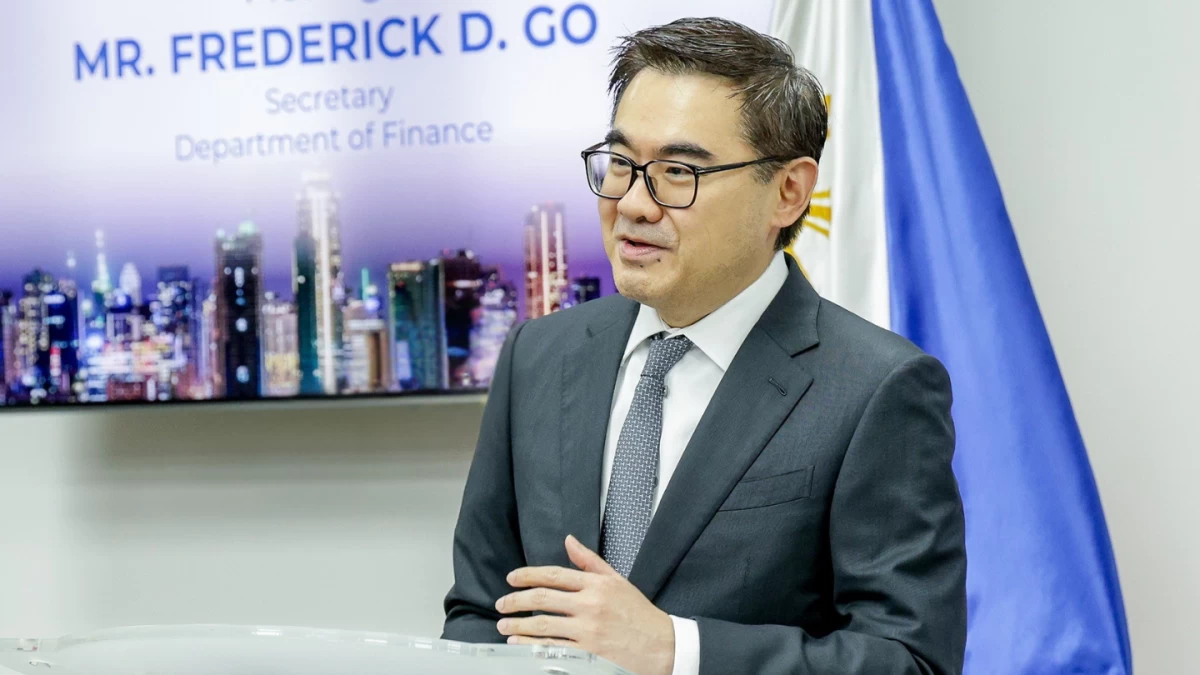
President Marcos’ chief economic manager brushed off concerns over the country’s fiscal position, assuring markets that the government remains financially stable and still has room to borrow further if needed to cushion the economy from energy shocks. This comes against the backdrop of...
Public debt in the Philippines moved closer to the 60-percent level at the end of the first quarter of 2026, as the government continued to ramp up borrowings while the private sector remained cautious amid risks stemming from the war in the Middle East. The latest Global Debt Monitor of the...
Pervasive corruption in the Philippines is preventing the country from realizing its full economic potential, despite President Ferdinand R. Marcos Jr. making “steady progress” on his reform agenda, according to the think tank Capital Economics. In its Asia Economic Outlook report for the...
While government debt continued to pile up, private businesses and individuals in the Philippines held back on borrowings amid conditions not too conducive to debt accumulation. The latest data from the Washington-based Institute of International Finance (IIF), released on Thursday, Sept. 25,...
Despite an increase in the Philippines’ general government (GG) debt-to-gross domestic product (GDP) ratio to 57.1 percent in 2024, the Marcos Jr. administration is targeting to gradually lower this debt ratio to the 54-percent level by the end of 2028. This was indicated in the national...
The Tokyo-based think tank Asian Development Bank Institute (ADBI) has flagged rising post-pandemic debt repayments in developing economies across the region, including the Philippines, which are depriving governments of more funding for public goods and services. “Between 2008 and 2019, annual...
The Department of Finance (DOF) said the Marcos administration has been prudently managing the Philippines’ swollen debt stock, which was bloated by the ₱6.84 trillion added by the Duterte regime during the Covid-19 pandemic. In a statement released on Thursday, June 5, the DOF said the...
The Philippines ' annual economic growth is expected by the World Bank Group (WBG) to remain below six percent this year until 2031. Its newest country partnership framework (CPF) for the Philippines, covering fiscal years (FYs) 2026 to 2031, showed that the WBG forecasts Philippine gross...