The Philippines is set to secure $1.5 billion in fresh loans from the World Bank and the Asian Development Bank (ADB) to deepen its financial markets, broaden access to capital, and mobilize more private-sector financing. The larger financing is the forthcoming $1-billion Philippines Private...
The good For the Philippines, entry into the World Bank’s upper-middle-income club is both a vindication and a warning. After decades in the lower-middle-income category, the country has at last crossed the line. The achievement is real; so is its modesty. The World Bank’s latest income...
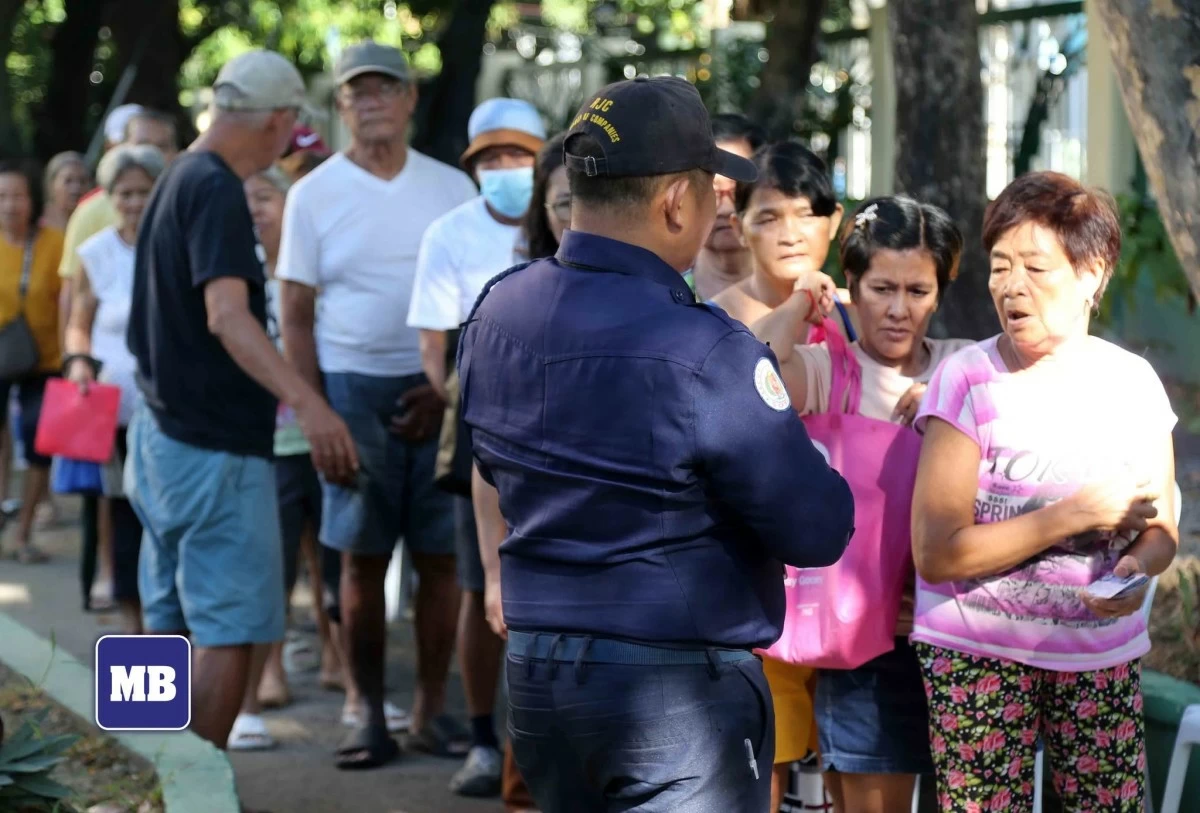
The Pantawid Pamilyang Pilipino Program (4Ps) has improved education, health, and employment outcomes among poor Filipino families, but the government needs to strengthen the country’s flagship conditional cash transfer (CCT) program by linking beneficiaries to jobs, skills training, as well as...
The Philippines is lining up another $3.5 billion in loans from the Asian Infrastructure Investment Bank (AIIB), the Asian Development Bank (ADB), and the World Bank, based on preliminary project documents, adding to the previously identified $8.9-billion indicative pipeline of multilateral...
The Philippines ' education crisis remains one of the country 's most pressing challenges, with millions of students struggling to read, overcrowded classrooms becoming the norm, and many schools still lacking adequate facilities years after the pandemic. A 2022 World Bank report found...
Artificial intelligence (AI) could help developing economies such as the Philippines accelerate development, raise productivity, and create new opportunities, but the country must move quickly to adapt as one of its largest industries—the business process outsourcing (BPO) sector—faces mounting...
The World Bank urged the Philippines to accelerate power sector reforms to lower electricity costs and reduce its dependence on imported fuel, saying cheaper and more reliable power has become critical to sustaining economic growth, attracting investments, and reducing poverty after the country’s...
The World Bank has approved its first loan for the Philippines since the country was elevated to upper-middle-income country (UMIC) status in July, financing a $268.62-million project to expand climate-resilient water and sanitation services in three islands, improve water security, and generate...
Government technology (GovTech) reforms in the Philippines’ Pantawid Pamilyang Pilipino Program (4Ps) have generated tens of millions of dollars in annual savings by plugging leakages, while improving the targeting of beneficiaries as well as curbing corruption and fraud, according to the World...
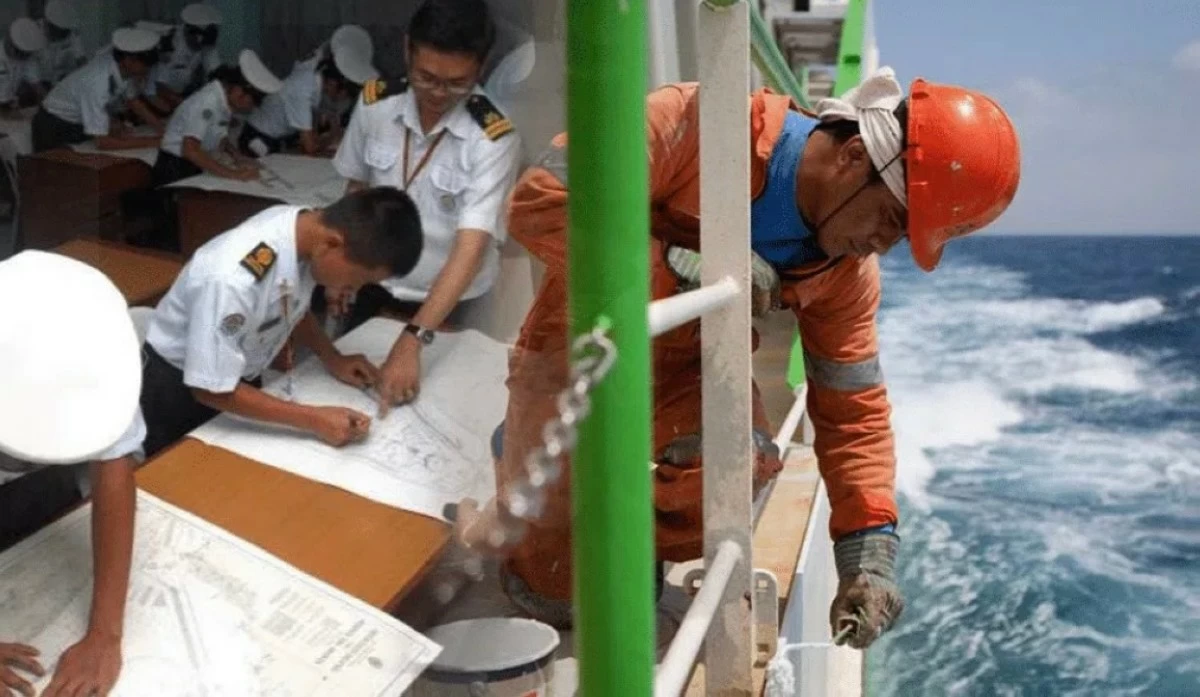
The World Bank has urged East Asia and Pacific (EAP) countries to strengthen the efficiency, safety, and sustainability of their maritime sectors, saying the Philippines and its regional peers need reforms to support economic growth, improve trade competitiveness, and create more jobs amid aging...
Three multilateral lenders are expected to greenlight up to $8.9 billion, equivalent to about ₱549 billion, in new loans over the next two years before the Philippines’ upper-middle-income-country (UMIC) status limits the country’s access to concessional financing in the coming years....
Another $1-billion loan has been added to the World Bank’s financing pipeline for the Philippines, aimed at strengthening government disaster preparedness and response amid increasing climate as well as natural hazard risks. The World Bank disclosed in a July 22 program information document...