The net income of Social Security System (SSS), the state-run pension fund for private-sector workers, fell by 28 percent to ₱48 billion in the first half of 2026 as expenses, especially benefit payouts to pensioners, continued to rise faster than its income. SSS’ latest condensed statement of...
Eligible beneficiaries of the government 's Unified Package for Livelihoods, Industry, Food, and Transport (UPLIFT) Assistance do not need to apply to receive the cash subsidy, the Department of Social Welfare and Development (DSWD) said. DSWD Assistant Secretary and spokesperson Irene Dumlao...
A ₱5,000 cash relief assistance (CRA) distributed by the government to help drivers cope with the fuel price shock has largely succeeded in keeping transport workers on the road, but almost two-thirds of beneficiaries said the amount was insufficient to cover their operating costs, according to...
The Philippines stands as one of the countries most vulnerable to fuel shortages amid reports of Houthi threats to close the Bab el-Mandeb Strait, according to think tank Capital Economics. “The reliance of several Asian economies, especially Pakistan, the Philippines and Japan, on oil exports...
The Philippines has secured approval for a new grant from the United States (US) aid arm Millennium Challenge Corp. (MCC) to support energy-sector reforms, providing a fresh boost to the Marcos Jr. administration’s efforts to strengthen energy security while the country remains under a state of...
Amid a prolonged global oil crisis, the Philippines is poised to secure fresh grant and loan financing from bilateral as well as multilateral partners to support power-sector reforms and the transition to more renewable energy (RE) sources. United States (US) aid agency Millennium Challenge Corp....
The Philippines is set to secure another $1-billion loan from the World Bank in June, this time for an energy project follow-through and coupled with a $20-million grant, making the package the largest single financing commitment extended to the country by the Washington-based multilateral lender....
The United States (US) government’s Millennium Challenge Corp. (MCC) has earmarked a $60-million grant for the Philippines focused on the energy sector. Documents discussed during the US aid agency’s economic advisory council meeting last month, which were made public last week, showed that the...
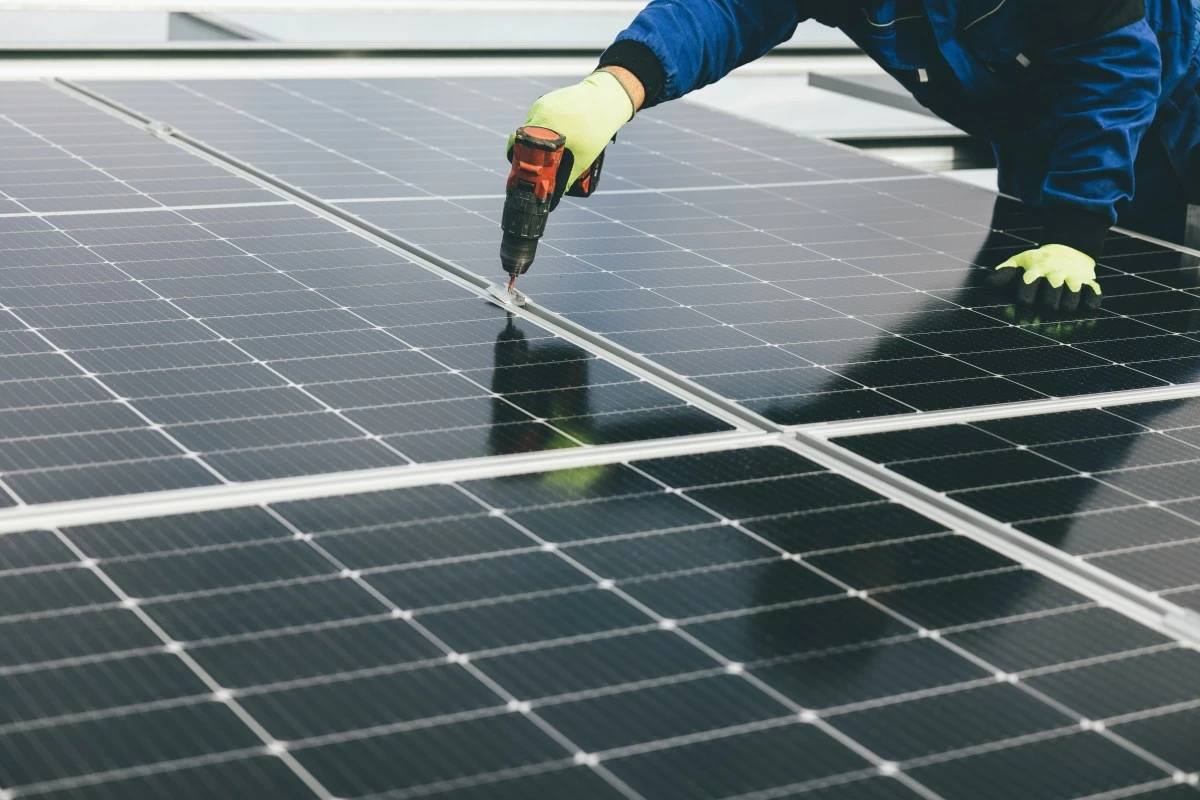
Social Security System (SSS) is preparing to launch an energy sustainability loan program in September to help qualified members finance residential solar panel systems amid elevated electricity costs. In a statement on Friday, May 22, SSS President and Chief Executive Officer (CEO) Robert Joseph...
Escalating tensions in the Middle East and the resulting spike in global oil prices could trigger broader economic disruptions in the Philippines, worsening inflation, weakening the peso, and raising costs across transportation, food, tourism, and other energy-intensive industries, according to...
The Philippines rolled out one of the most extensive policy responses in Asia-Pacific to cushion the impact of global oil price and supply shocks, even as the country recorded among the steepest increases in fuel prices in the region, according to the Manila-based Asian Development Bank (ADB). An...
The Philippine economy is facing its most severe test from the ongoing oil crisis, with economists warning that surging fuel costs and supply disruptions are exposing deep structural vulnerabilities and could derail growth prospects this year. In separate reports released on Friday, April 10,...