






Manila Bulletin
 Business
The Economy
Middle East oil shock may fuel stagflation risks in Philippines, PIDS warns
Business
The Economy
Middle East oil shock may fuel stagflation risks in Philippines, PIDS warns
Business
The Economy
Middle East oil shock may fuel stagflation risks in Philippines, PIDS warns
Middle East oil shock may fuel stagflation risks in Philippines, PIDS warns
Published May 19, 2026 10:10 am
|
Updated May 19, 2026 01:48 pm


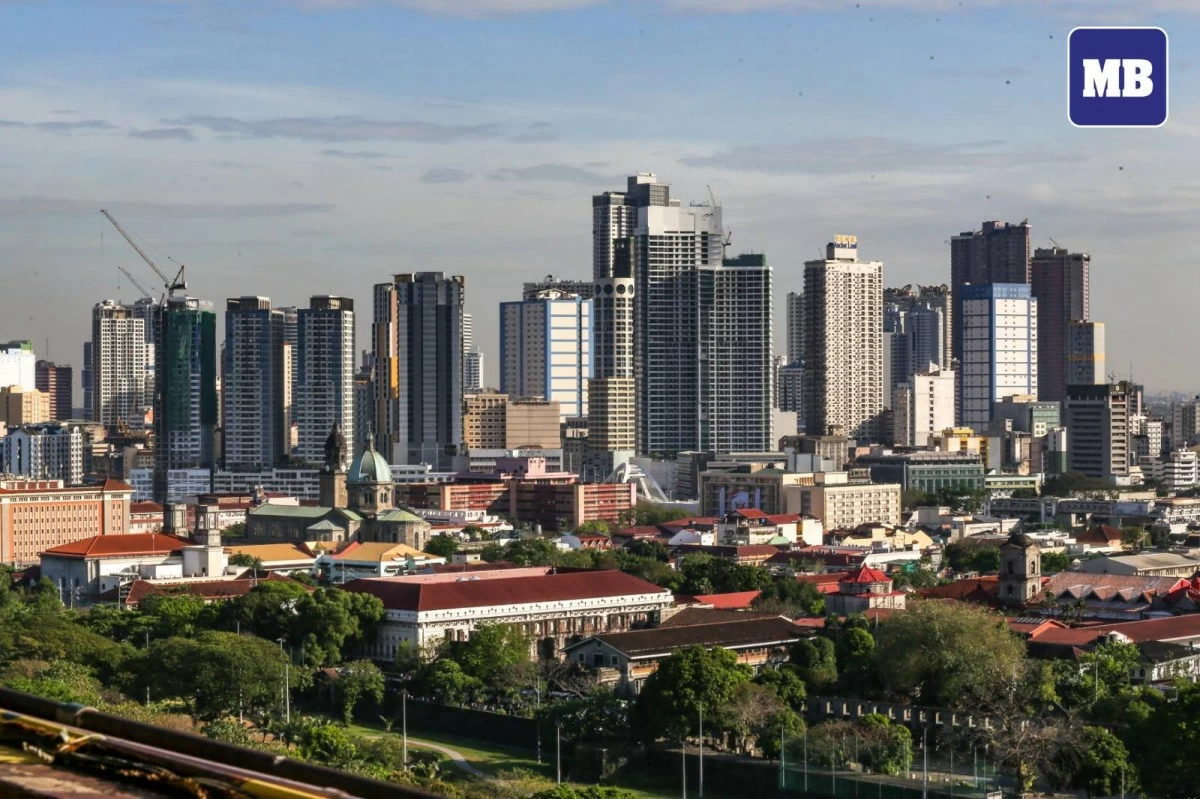
Escalating tensions in the Middle East and the resulting spike in global oil prices could trigger broader economic disruptions in the Philippines, worsening inflation, weakening the peso, and raising costs across transportation, food, tourism, and other energy-intensive industries, according to state-run policy think tank Philippine Institute for Development Studies (PIDS).
The latest PIDS policy note titled “Navigating the 2026 Oil Price Shock: Toward a Resilient and Countercyclical Fiscal Response in the Philippines,” published last Monday, May 18, warned that the country’s heavy dependence on imported fuel leaves it highly vulnerable to external shocks and raises the risk of stagflation, or the combination of elevated inflation and slowing economic growth.
PIDS senior research fellow John Paolo R. Rivera and supervising research specialist Dan Kenard C. Abriol said the Philippines remains exposed to global oil volatility because about 98 percent of its fuel requirements are imported, primarily from the Middle East. The geopolitical crisis has already prompted the declaration of a state of national energy emergency through Executive Order (EO) No. 110 issued by President Ferdinand R. Marcos Jr. last March.
The authors said oil price shocks are transmitted across the economy through higher transportation, production, and electricity costs, which eventually feed into broader inflation. At the same time, rising oil prices place pressure on currencies of oil-importing economies like the Philippines, making imports more expensive and eroding household purchasing power. Logistics costs also rise alongside fuel prices, pushing up the cost of essential goods, particularly food.
Using monthly data from January 2014 to December 2025, excluding the pandemic years, the study found that transportation was the most vulnerable sector to oil price volatility in both the short and long term. Other heavily exposed sectors included import-reliant industries, services, food and beverage manufacturing, mining, tourism, utilities, and livestock farming.
The report noted that rising jet fuel prices could dampen tourism and aviation demand, while higher transport and feed costs could increase agricultural prices, especially for livestock products. Oil price spikes were also seen raising electricity costs during periods of peak demand as the country continues to rely on imported fuel to supplement domestic power supply.
For PIDS, fiscal policy would be critical in cushioning the impact of the oil shock, but warned that interventions must remain targeted and time-bound to avoid undermining fiscal sustainability. While suspending fuel excise taxes and 12-percent value-added tax (VAT) on petroleum products could provide immediate relief, the report estimated that foregone revenues could reach as much as ₱330 billion. The authors also warned that broad-based tax suspensions tend to disproportionately benefit higher-income households that consume more fuel.
Instead, the report recommended targeted fuel subsidies for public utility vehicle (PUV) drivers and cash transfers for low-income households to help protect commuters and vulnerable sectors while preserving fiscal efficiency. Temporary price controls may also be considered during periods of elevated inflation, although the authors cautioned that such measures should remain time-sensitive and supported by appropriate market safeguards to avoid supply disruptions and economic inefficiencies.
The policy note also highlighted the importance of adopting a countercyclical fiscal framework, where government spending is calibrated to stabilize the economy during periods of stress. However, the authors noted that the Philippines faces structural constraints because tax revenues tend to decline during economic downturns, limiting fiscal space precisely when intervention is most needed.
For the longer term, the report urged the government to strengthen fiscal buffers and accelerate structural reforms in energy, transportation, logistics, and social protection systems to reduce the country’s vulnerability to future oil shocks. Recommended measures included expanding renewable energy (RE) investments, modernizing transport systems, improving logistics efficiency, and enhancing social amelioration programs.
The authors also said the government could expand service contracting programs in public transportation, allowing operators to be compensated based on service delivery instead of passenger volume. According to the report, this could help stabilize fares, reduce the fuel cost burden on commuters, and support the transition toward a more efficient transport system.
“Aligning short-term stabilization with targeted support and long-term structural reform will allow the Philippines to transition from a shock-absorptive to a more shock-resilient economy,” the authors said. “This approach positions fiscal policy not only as a tool for crisis response but as a central mechanism for managing systemic risks in an increasingly volatile global environment.”