The good For the Philippines, entry into the World Bank’s upper-middle-income club is both a vindication and a warning. After decades in the lower-middle-income category, the country has at last crossed the line. The achievement is real; so is its modesty. The World Bank’s latest income...
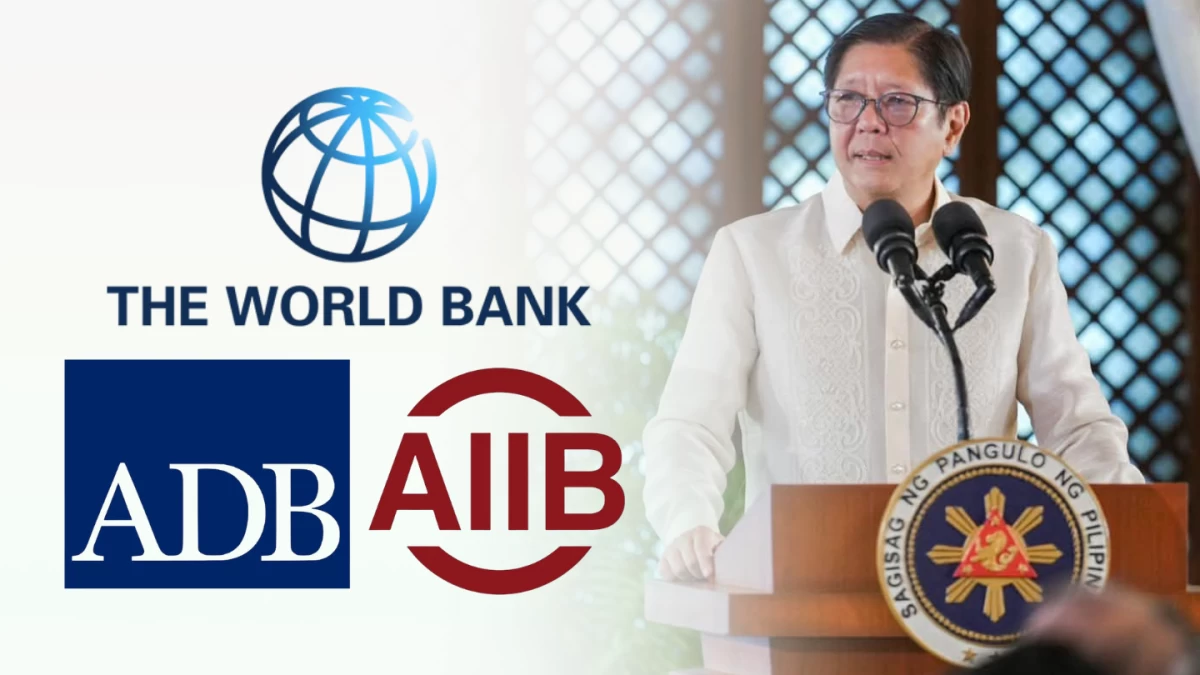
The Philippines is lining up another $3.5 billion in loans from the Asian Infrastructure Investment Bank (AIIB), the Asian Development Bank (ADB), and the World Bank, based on preliminary project documents, adding to the previously identified $8.9-billion indicative pipeline of multilateral...
The World Bank urged the Philippines to accelerate power sector reforms to lower electricity costs and reduce its dependence on imported fuel, saying cheaper and more reliable power has become critical to sustaining economic growth, attracting investments, and reducing poverty after the country’s...
The World Bank has approved its first loan for the Philippines since the country was elevated to upper-middle-income country (UMIC) status in July, financing a $268.62-million project to expand climate-resilient water and sanitation services in three islands, improve water security, and generate...
Bicol Saro Party-list Rep. Terry Ridon says President Marcos must go all-out to make the country 's cherish upper middle-income economy status trickle down to common Filipinos as a tangible relief or benefit. Ridon posed this ahead of Marcos ' fifth and penultimate State of the Nation...
At long last, as of July 2026, the Philippines has attained Upper-Middle-Income status, as announced by the World Bank on July 1, 2026. This reclassification from Lower-Middle-Income to Upper-Middle-Income marks an important milestone in our efforts to eventually be considered a High-Income...
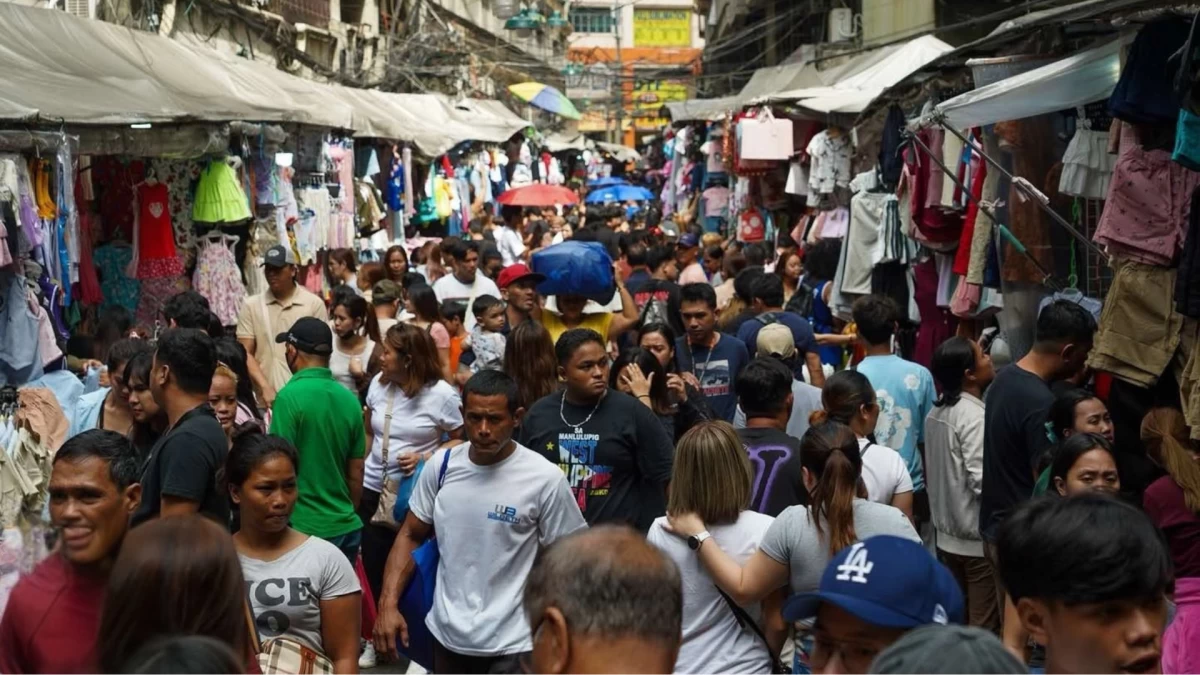
Banish the thought that the World Bank 's classification of the Philippines as an “upper-middle-income” economy is the silver bullet to slay the dragon of widespread poverty. It is a myth—not reality. Find out why. From 1987 to 2025—spanning almost four decades—the Republic of the...
While the Philippines’ graduation to upper-middle-income-country (UMIC) status is a nod to its economic progress, President Ferdinand R. Marcos Jr.’s chief economic manager said the milestone alone cannot do the heavy lifting needed for the country to achieve an ‘A’-level sovereign credit...
The Department of Trade and Industry (DTI) highlighted the country 's strong trade momentum and rising capital inflows as the primary engines behind the Philippines officially hitting Upper Middle-Income Country (UMIC) status. With Gross National Income (GNI) per capita breaching the critical...
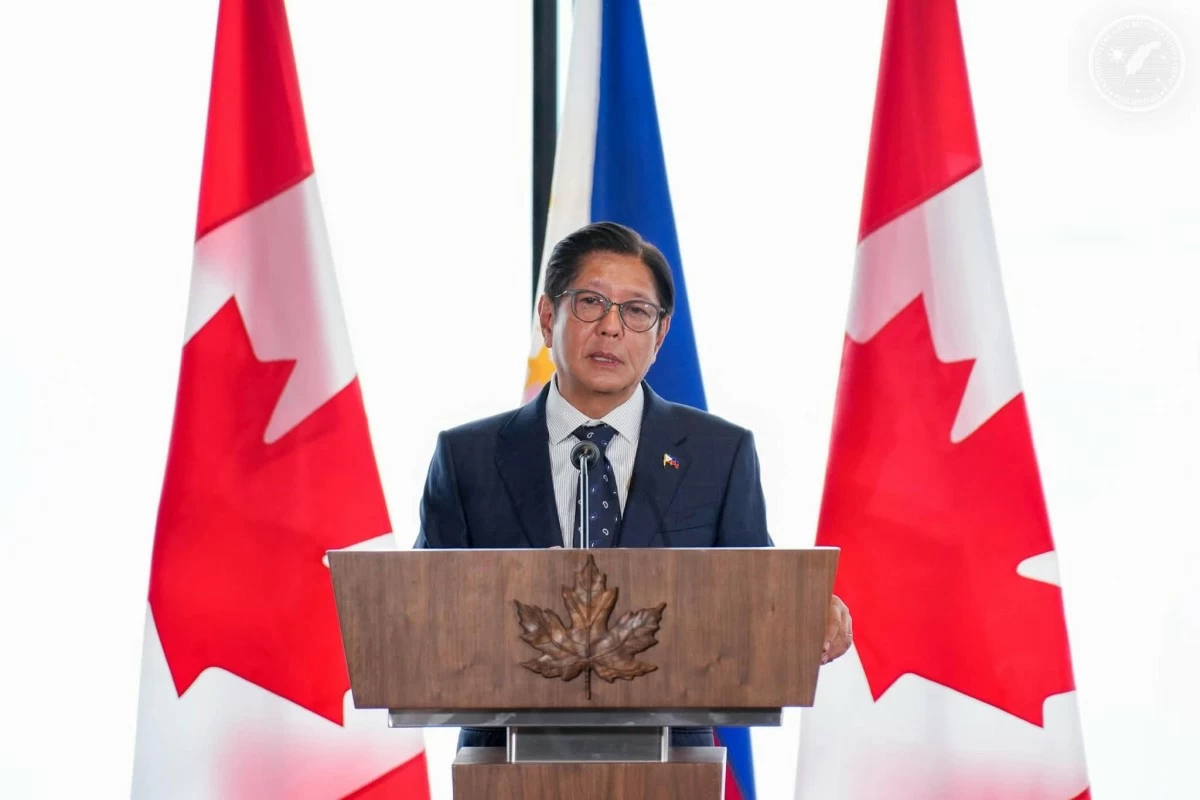
Malacañang has stressed that the Philippines ' elevation to upper-middle-income country (UMIC) status does not mean economic difficulties have disappeared for ordinary Filipinos, with President Marcos vowing to continue government interventions for poor and vulnerable sectors. Speaking at a...
President Marcos is not worried about the downsides of the Philippines ' achievement of upper-middle-income status, as he is banking on increased investment. As the country moves up the classification ladder, it may gradually lose access to foreign grants intended for poorer economies. Marcos,...
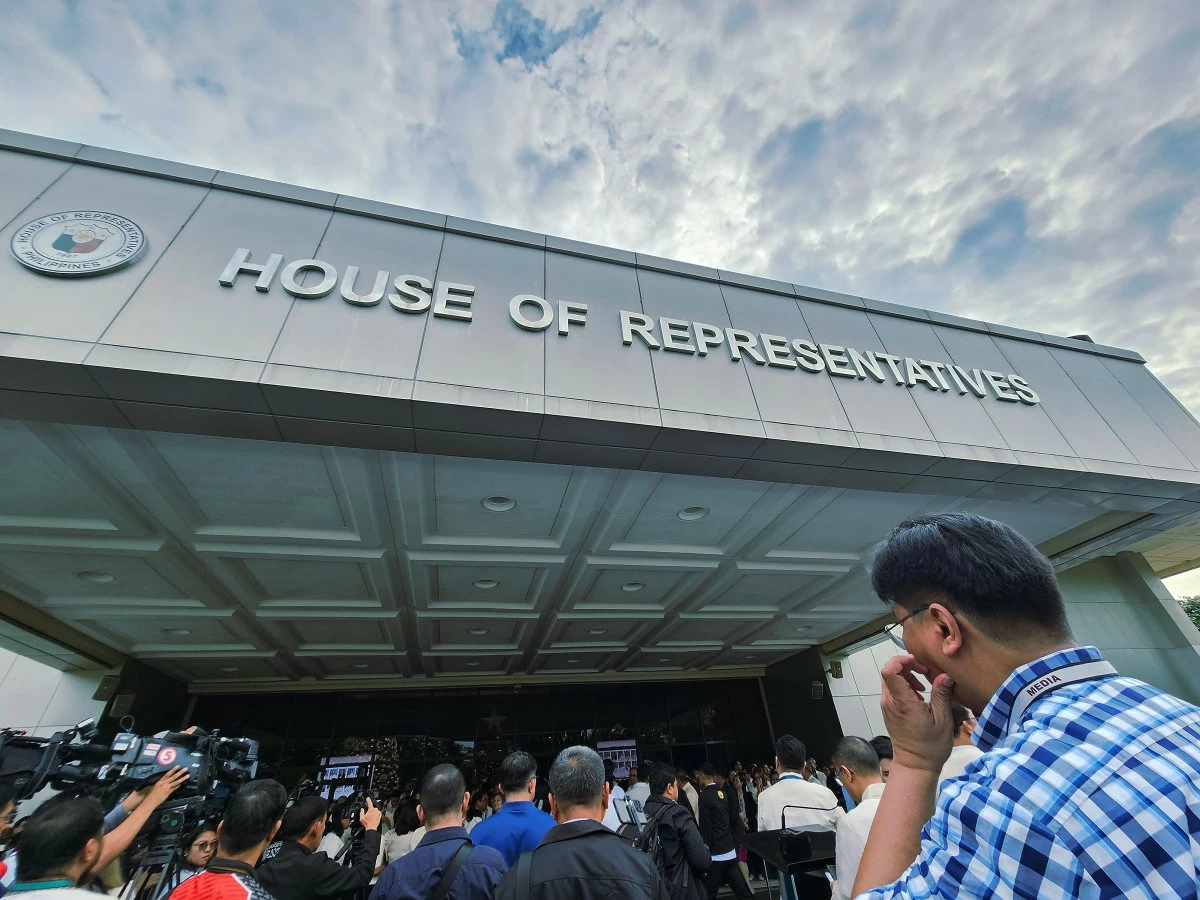
House members sounded highly skeptical of the World Bank 's (WB) declaration that the Philippines has attained upper-middle-income status, as they noted most Filipino families continued to struggle financially. Caloocan City 2nd district Rep. Edgar "Egay" Erice says that the...