






 Philippines
National
Upper-middle-income country status not finish line as Marcos vows continued aid for poor Filipinos — Palace
Philippines
National
Upper-middle-income country status not finish line as Marcos vows continued aid for poor Filipinos — Palace
Upper-middle-income country status not finish line as Marcos vows continued aid for poor Filipinos — Palace


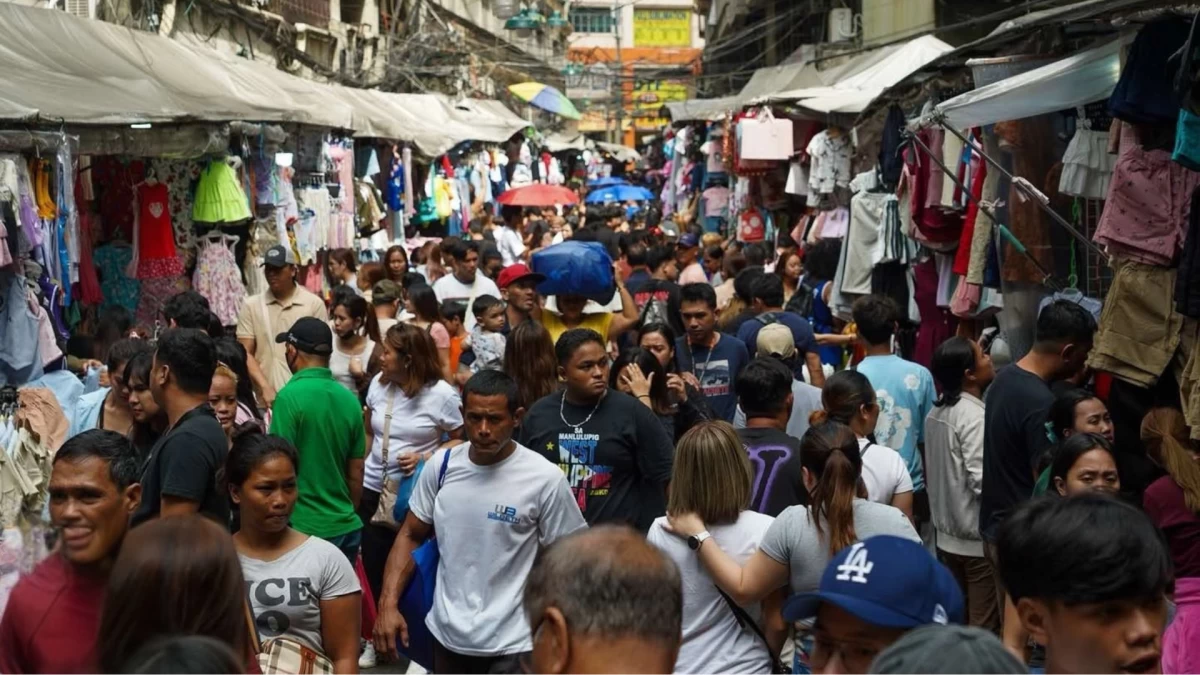
Malacañang has stressed that the Philippines' elevation to upper-middle-income country (UMIC) status does not mean economic difficulties have disappeared for ordinary Filipinos, with President Marcos vowing to continue government interventions for poor and vulnerable sectors.
Speaking at a press briefing in Vancouver, Presidential Communications Office (PCO) Undersecretary Claire Castro described the World Bank's latest classification as a historic milestone for the country.
"Actually, iyong pag-recognize po ng World Bank na narating na po ng Pilipinas ang upper-middle-income status, ito po ay isang mahalagang pagkakataon, tawagin natin na milestone dahil since 1987, ngayon lang po umangat ang ating level (Actually, the World Bank's recognition that the Philippines has reached upper-middle-income status is an important milestone because this is the first time since 1987 that our level has improved)," Castro said.
"So dapat po natin ipagmalaki ito (So we should be proud of this)," she added.
However, Castro emphasized that the country's new classification should not be interpreted to mean that all Filipinos have already overcome financial hardship.
"At ito naman po ay hindi ibig sabihin na ang bawat Pilipino ay nasa ganoong level na hindi na magkakaroon ng financial challenge (This does not mean that every Filipino has reached a level where they will no longer face financial challenges),” she said.
“Alam po natin sa ngayon na marami pa rin po mga kababayan natin ang kinakailangan tulungan (We know that many of our countrymen still need assistance)," she added.
Castro said President Marcos views the country's new status as a stepping stone rather than the administration's final economic objective.
"So, ito pong pagiging upper-middle-income country, hindi po ito finish line. Hindi ito katapusan (Becoming an upper-middle-income country is not the finish line. It is not the end),” she said.
“Marami pa dapat gawin ang bansa para mas umangat pa ang ekonomiya (The country still has a lot to do for the economy to progress further)," she added.
The Palace official said the government would continue implementing programs aimed at addressing poverty, hunger, and other social concerns.
"At doon po pumapasok iyong intervention ng administrasyon. Pati po ang mga isyu tungkol sa kagutuman, nagkakaroon ng intervention ang gobyerno at nagpapatupad ng kinakailangan natin para ang mga kababayan natin ay maramdaman ang ginhawa sa buhay (That is where the administration's interventions come in. Even on issues of hunger, the government is implementing interventions and necessary measures so our countrymen can feel improvements in their lives)," Castro said.
According to the World Bank, the Philippines entered the upper-middle-income category after posting a gross national income per capita that exceeded the institution's threshold for the classification.
Reforms, investments credited
Malacañang credited the country's improved economic standing to the administration's economic policies and efforts to attract more investments into the country.
Castro said President Marcos believes the achievement was partly driven by efforts to make the Philippines more attractive to both local and foreign investors.
"Naniniwala rin ang Pangulo na bunga ito ng pagsisikap ng pamahalaan na gawing mas kaakit-akit ang bansa sa mga lokal at dayuhang mamumuhunan (The President also believes this is the result of the government's efforts to make the country more attractive to local and foreign investors)," she said.
The Palace official cited initiatives to strengthen the role of the private sector in national development and efforts to expand free trade agreements, including the proposed Philippines-Canada Free Trade Agreement currently being negotiated by the two countries.
Castro added that the President expects the country's improved economic status to attract more businesses and investments that would create jobs and increase incomes for Filipino families.
More reforms needed
Despite the milestone, the Palace said the government must continue pursuing reforms to sustain economic growth and ensure that its benefits are felt by ordinary Filipinos.
Castro said several sectors of the economy and government still require modernization and improvement to maintain the country's growth momentum.
"Marami pang sektor ng ekonomiya at ng pamahalaan ang kailangan baguhin at gawing mas moderno upang mapanatili ang paglago ng bansa (Many sectors of the economy and government still need to be improved and modernized to sustain the country's growth)," she said.
The Palace earlier said the administration would continue focusing on infrastructure development, improving the ease of doing business, strengthening digital connectivity, upgrading workforce skills, and building resilience against climate-related and external shocks as it seeks to sustain inclusive economic growth.