Soft corals found in the West Philippine Sea and Benham Bank are among the most diverse in the world, according to an international study published in Nature Scientific Reports in May. The study, titled “Biodiversity and biogeography of zooxanthellate soft corals across the Indo-Pacific,”...
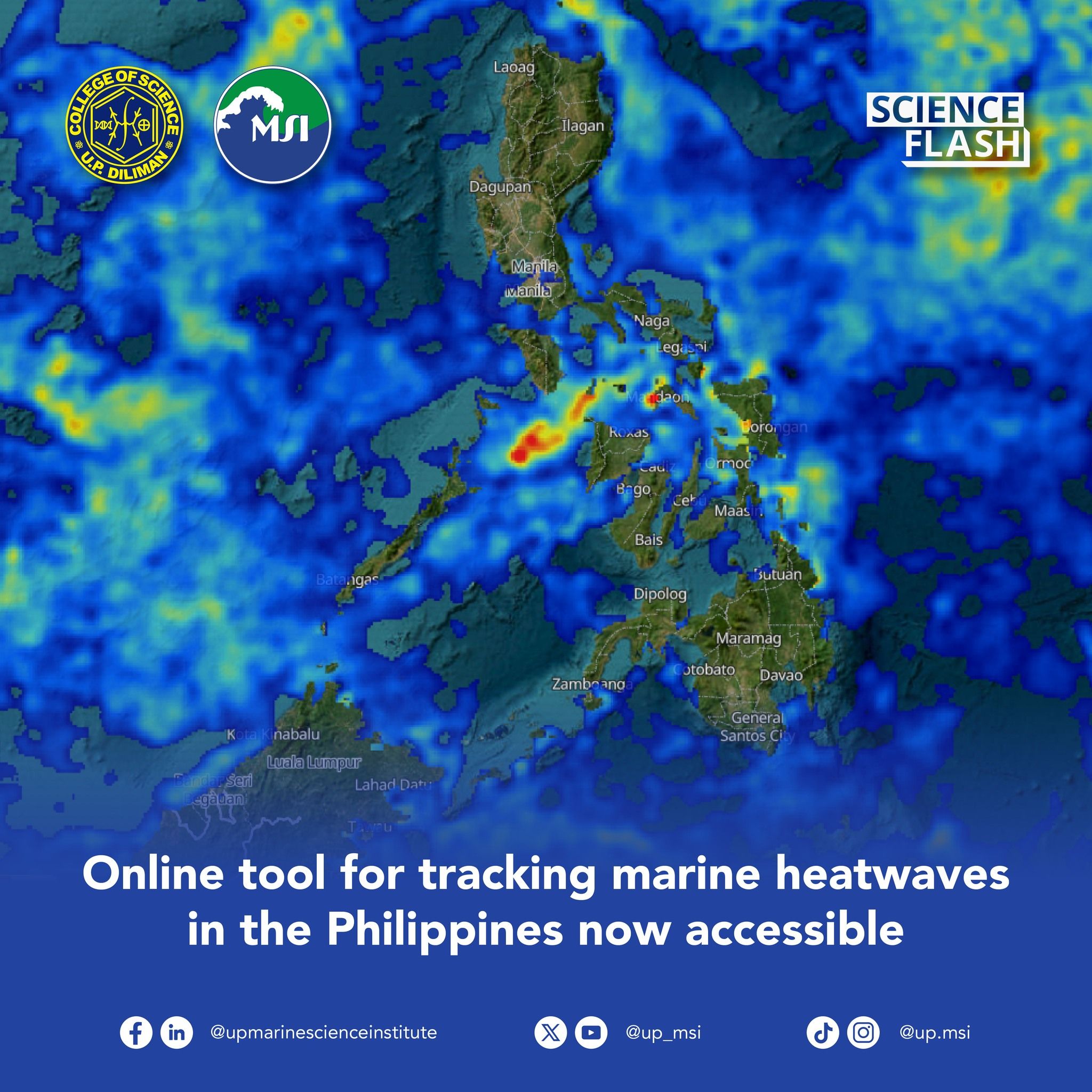
University of the Philippines-Marine Science Institute (Facebook) Researchers at the University of the Philippines-Marine Science Institute (UP-MSI) have developed an online tool to monitor marine heatwaves in the country. The Marine Heatwave Tracker, developed at the Physical Oceanography and...
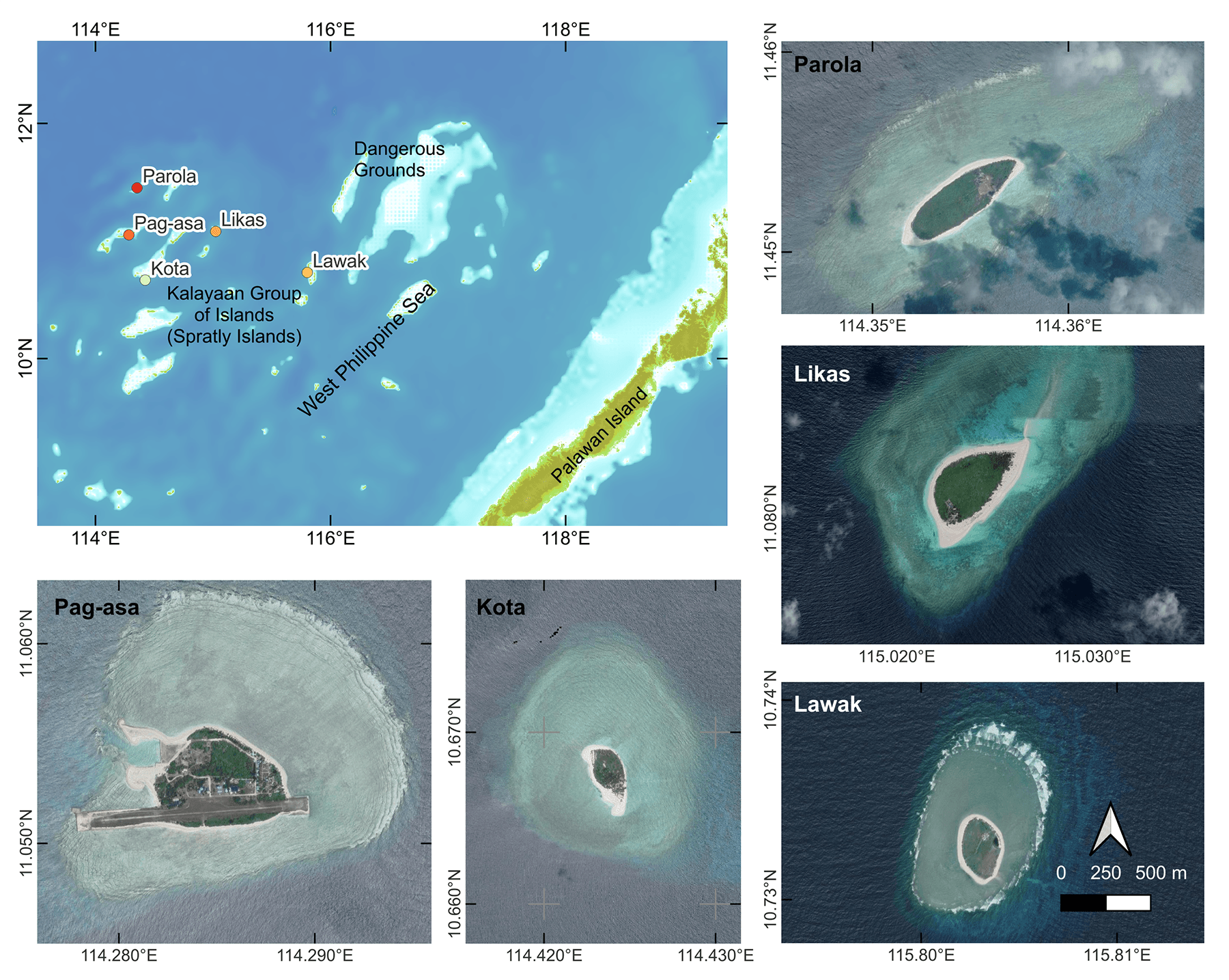
The islands of Lawak, Likas, Kota, Pag-asa, and Parola are the main focus of the University of the Philippines-Marine Science Institute’s Geological Oceanography Laboratory research in the Kalayaan Island Group. (Image courtesy of Jeffrey Munar/UP-MSI website) While rising sea levels have placed...
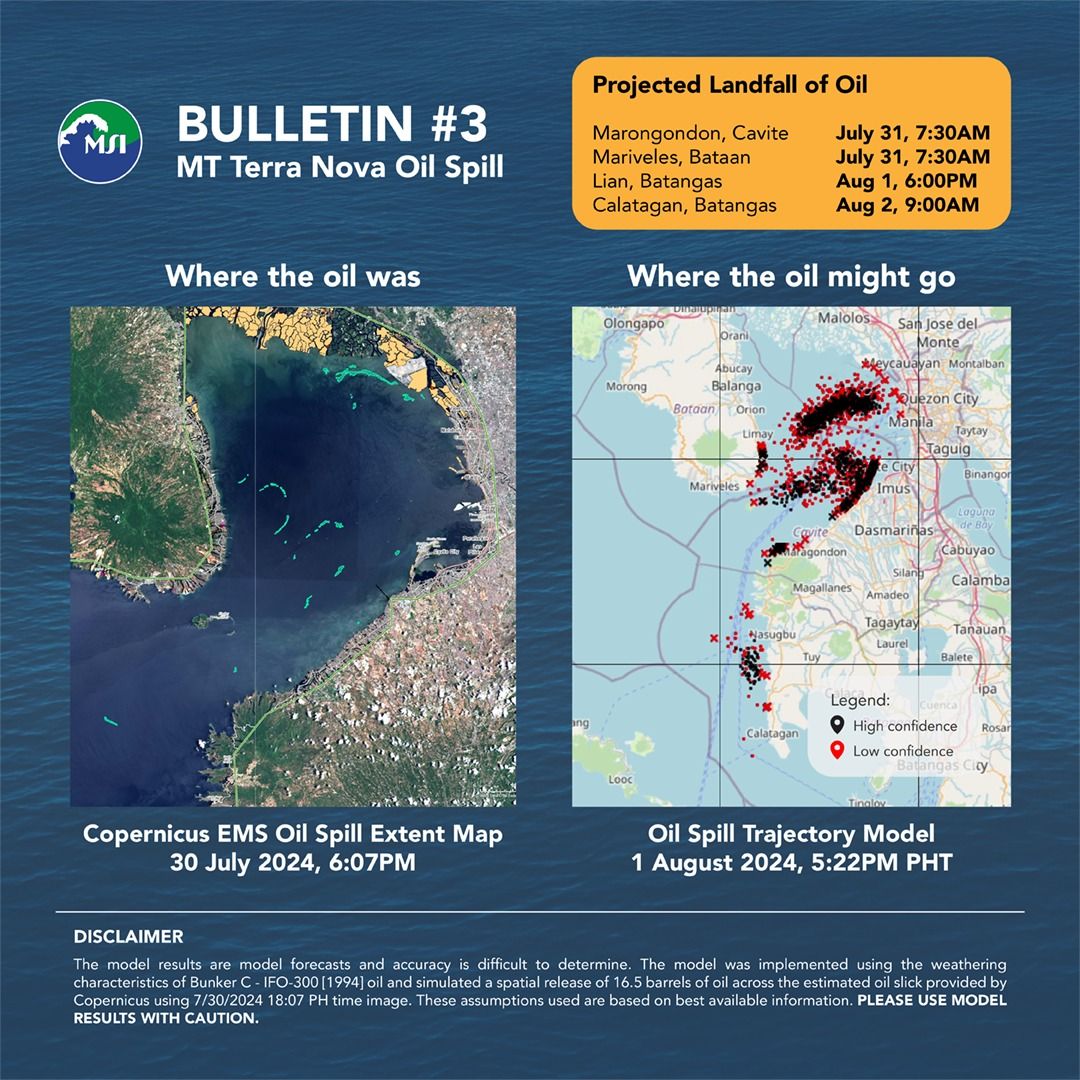
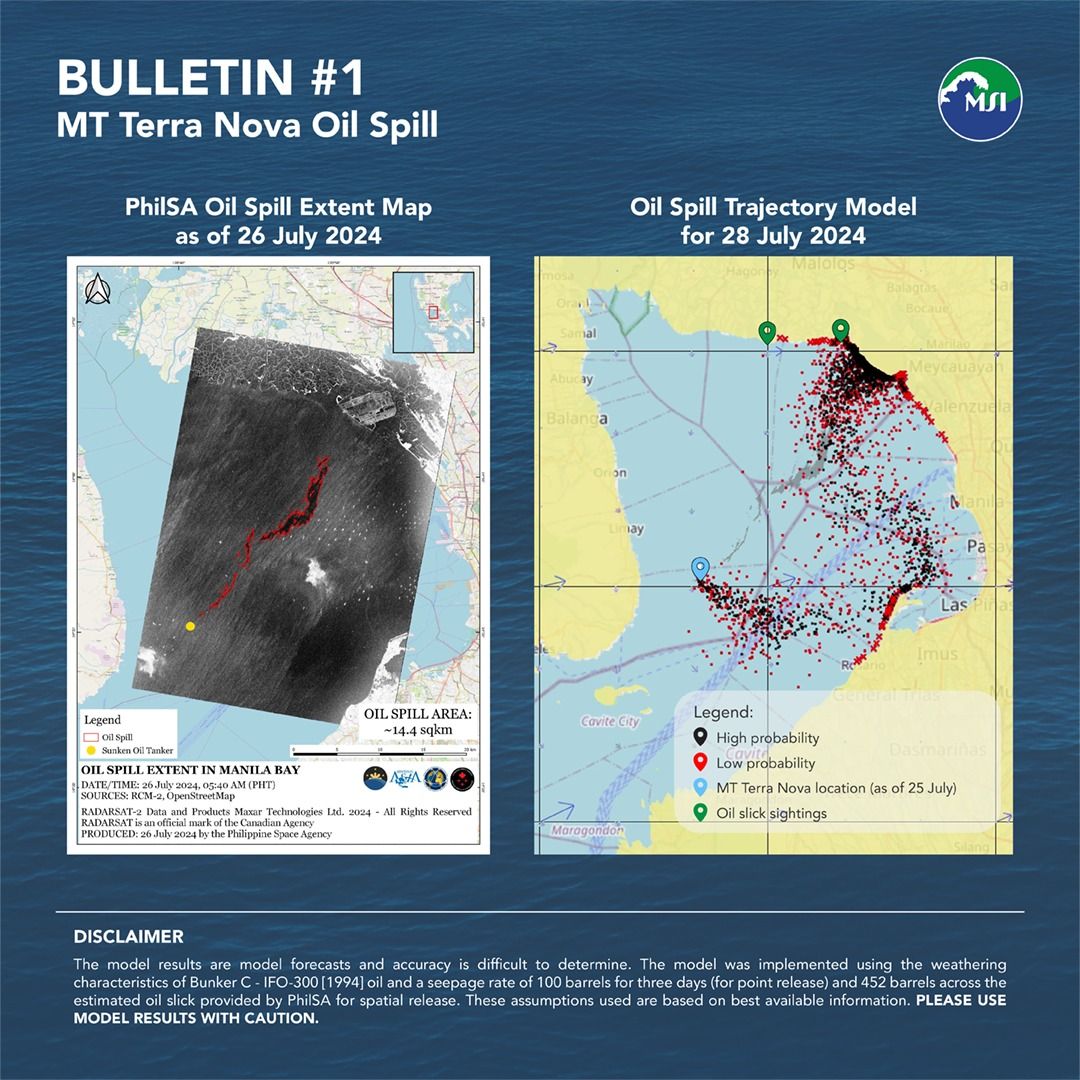
(University of the Philippines-Marine Science Institute Facebook page) The University of the Philippines-Marine Science Institute (UP-MSI) warned that the oil spill from the sunken MT Terra Nova in Bataan may soon extend to the coastal areas of Batangas, according to the latest analysis of the...
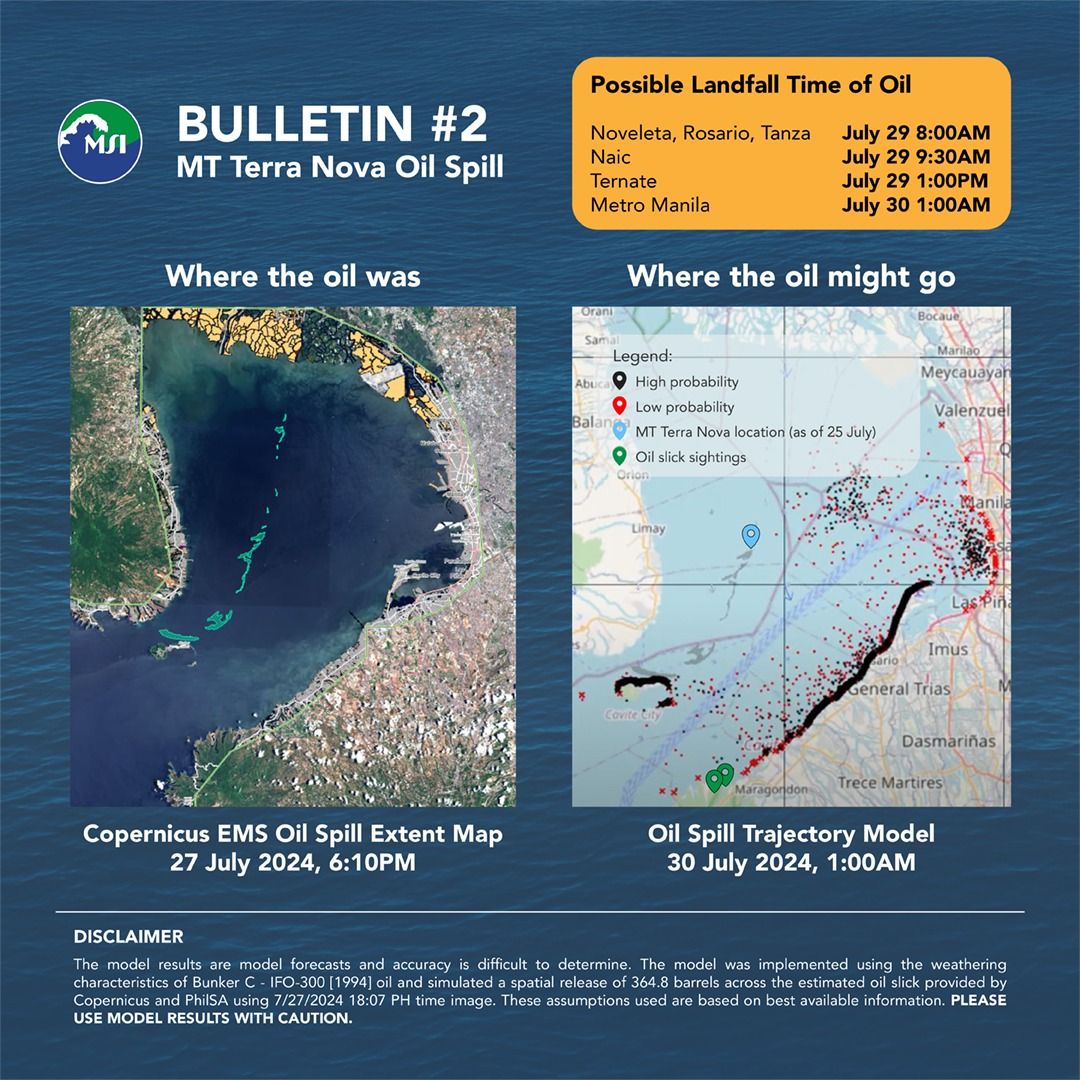
(University of the Philippines-Marine Science Institute Facebook page) The University of the Philippines-Marine Science Institute (UP-MSI) warned that oil spill trajectory models forecast the slick from the sunken tanker Terra Nova in Bataan could arrive in Metro Manila by Tuesday, July 30. The...
(University of the Philippines-Marine Science Institute/Facebook) The trajectory model for the Bataan oil spill suggests that the slick could reach the coasts of Bulacan and Cavite, influenced by the prevailing weather and ocean conditions, based on a joint analysis led by the Department of...
(PIXABAY) A group of Filipino marine scientists has discovered more piles of plastic wastes in the West Philippine Sea during their latest expedition in May. A team of scientists from the Marine Science Institute of the University of the Philippines (UP-MSI) that led the Predicting Responses...