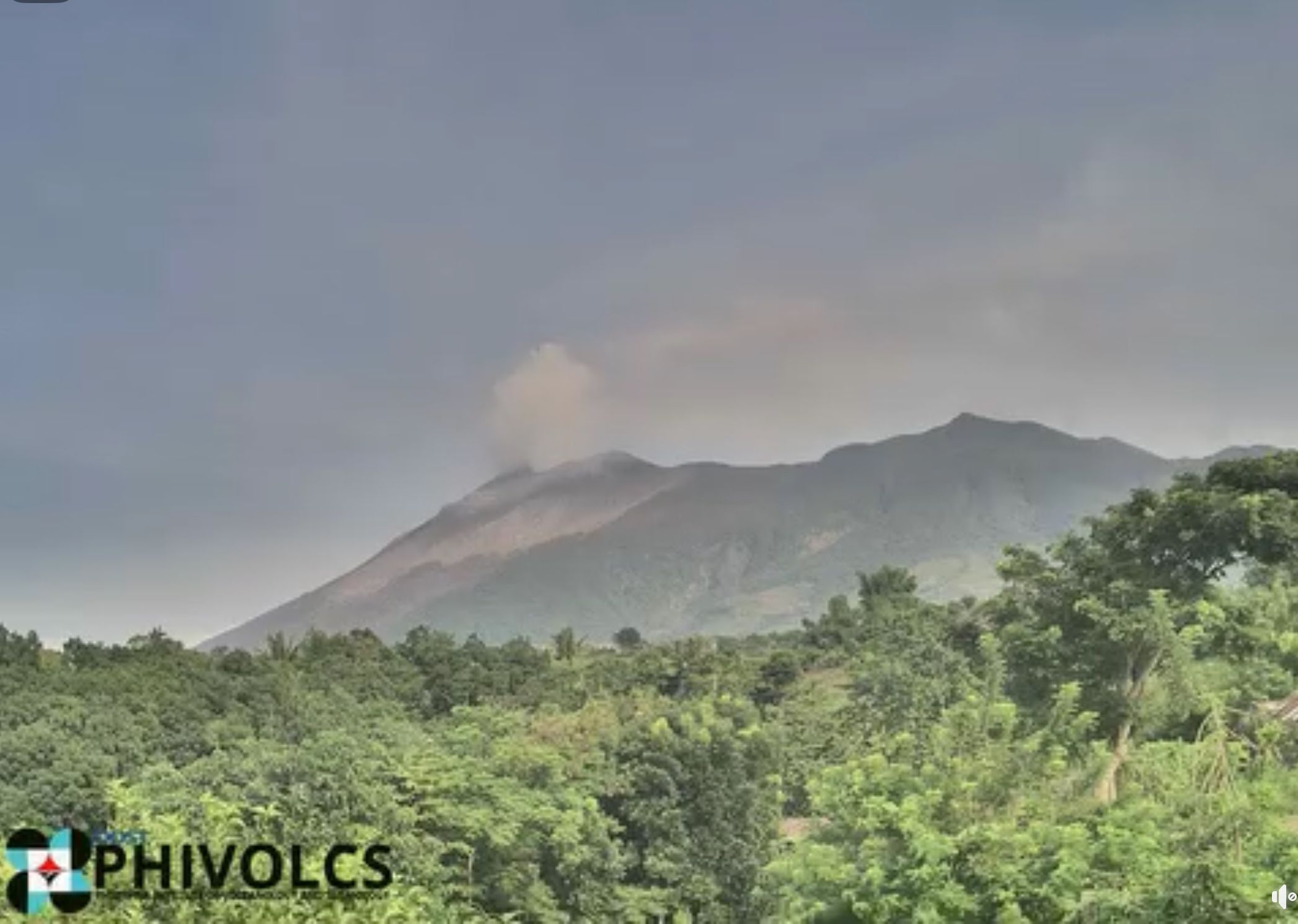
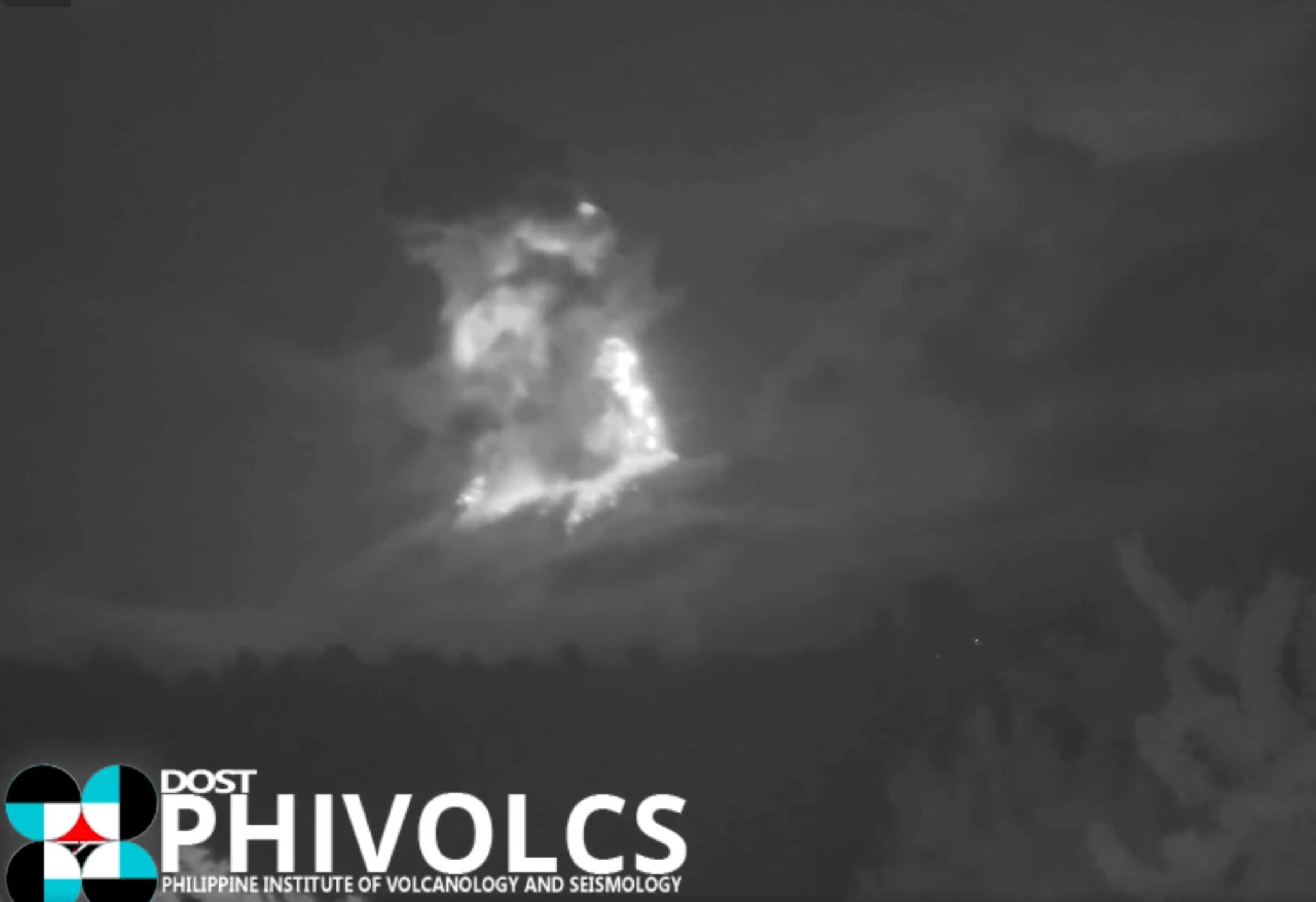
Kanlaon Volcano (Screenshot from Phivolcs) The Philippine Institute of Volcanology and Seismology (Phivolcs) observed a significant increase in sulfur dioxide (SO2) emissions at Kanlaon Volcano, which reached a record-high level on Tuesday, Aug. 13. In an advisory released at 6:30 p.m. on Tuesday,...
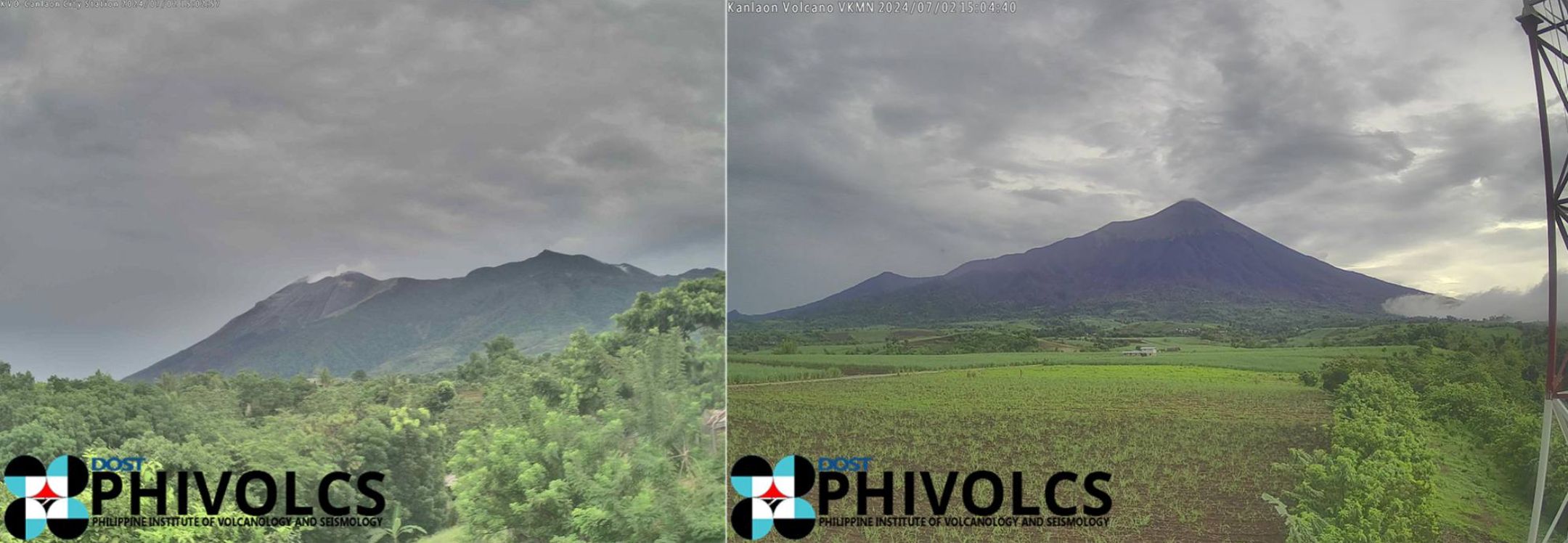
IP camera snapshots of Kanlaon Volcano around 3 p.m. on July 2, 2024, taken from the observation stations in Canlaon City (KVO-CC; left) and Mansalanao, La Castellana (VKMN; right). (Phivolcs/Facebook) The Philippine Institute of Volcanology and Seismology (Phivolcs) has again observed a...
The Philippine Institute of Volcanology and Seismology (Phivolcs) on Friday, June 28, recorded the highest sulfur dioxide (SO2) emissions from Kanlaon Volcano since instrumental gas monitoring began. In its advisory released at 6:15 p.m., Phivolcs said Kanlaon Volcano’s SO2 emissions averaged...
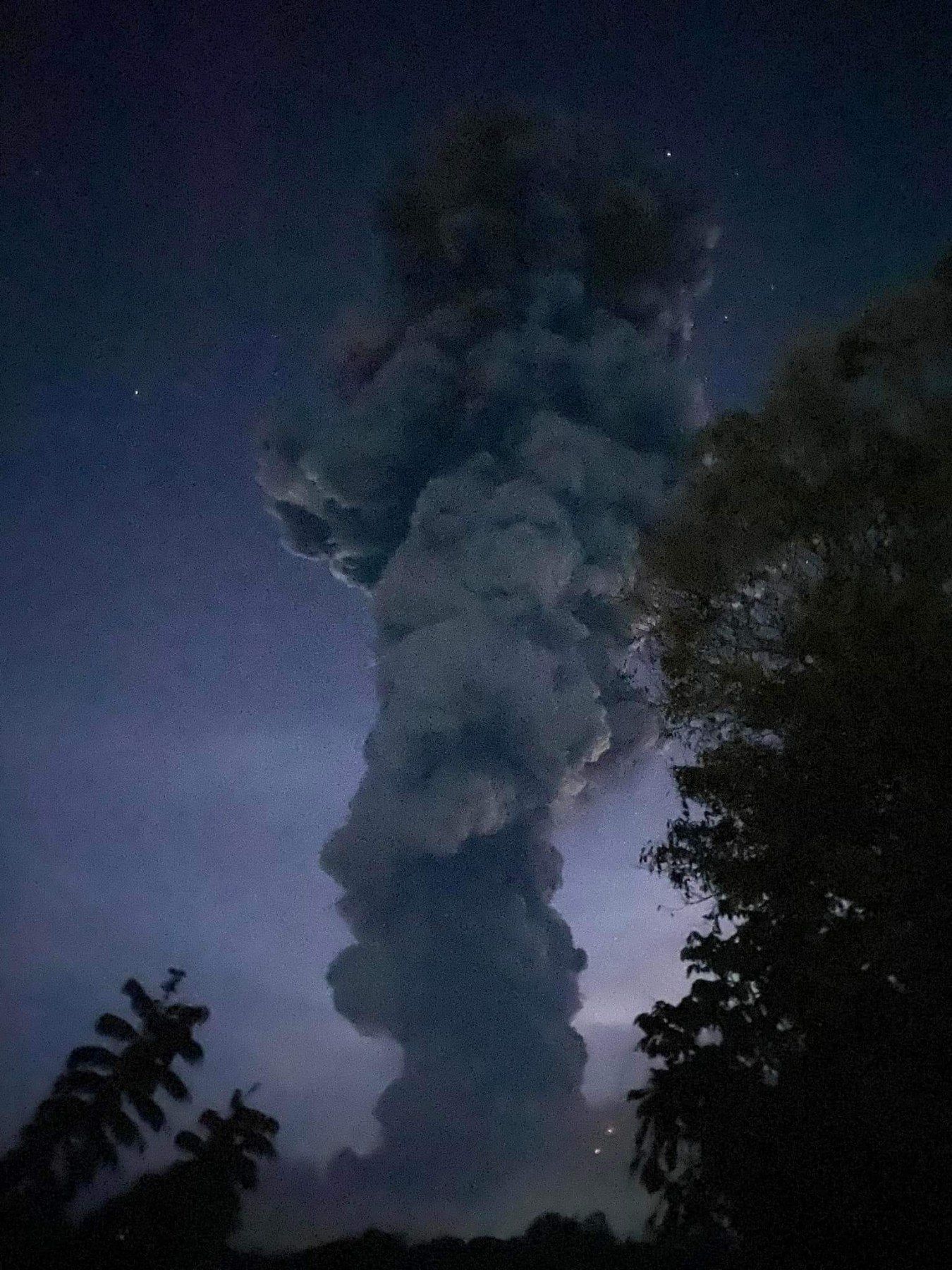
An elevated volcanic sulfur dioxide (SO2) gas flux was observed by the Philippine Institute of Volcanology and Seismology (Phivolcs) as it continues to monitor new developments at Kanlaon Volcano closely. Kanlaon Volcano spewing thick plume as seen from Barangay Pula, Canlaon City in Negros...
Screenshot of the time-lapse IP camera footage from 6:51 p.m. to 6:57 p.m. of the explosive eruption at the Kanlaon Volcano summit crater, taken by the Canlaon City (VKCC) observation station on June 3, 2024. The plume can be seen rising 5,000 meters above the vent. (Phivolcs/Facebook) The...
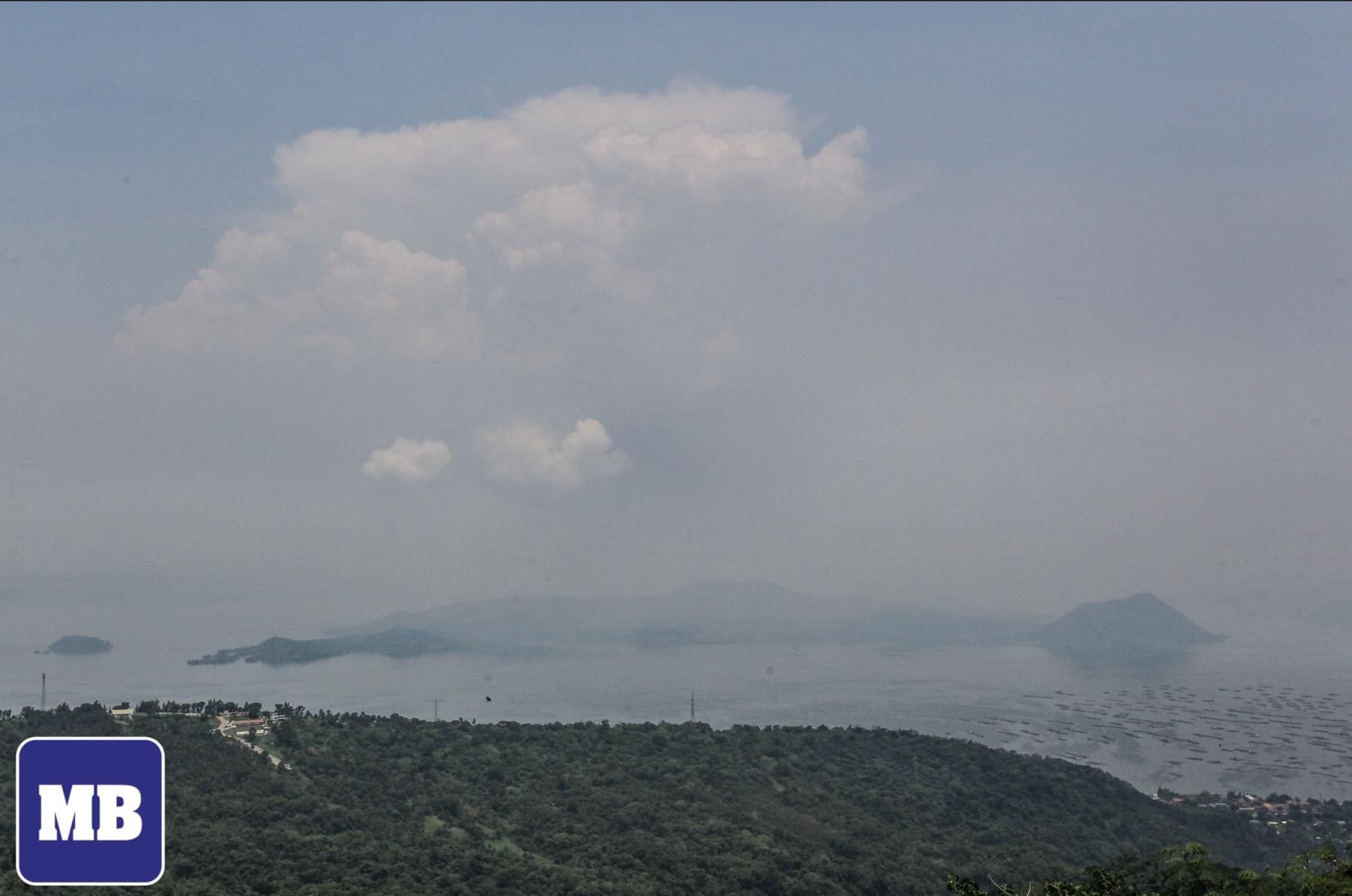
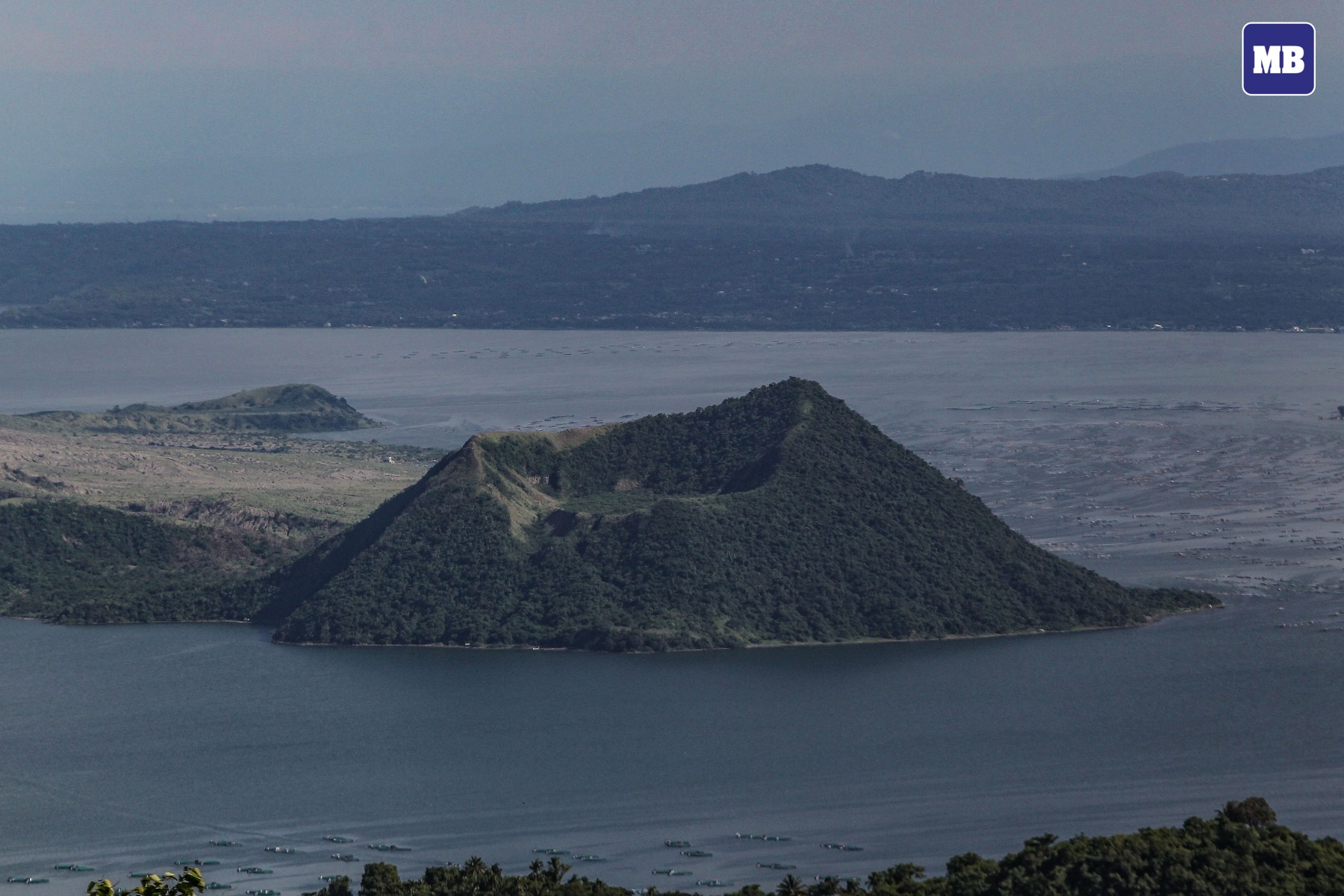
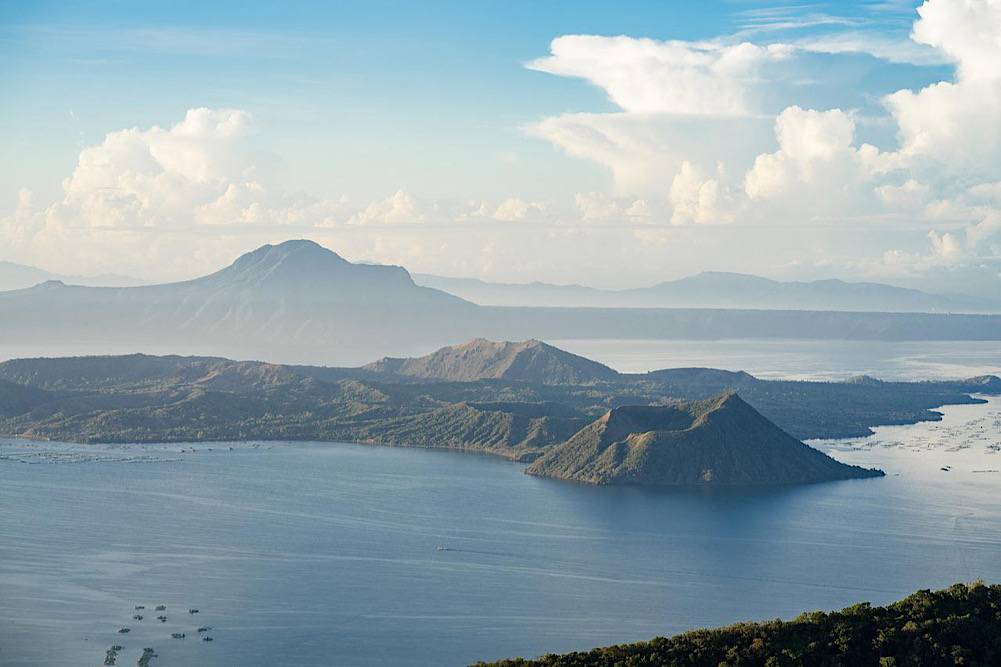
Taal Volcano (Manila Bulletin File Photo) The Philippine Institute of Volcanology (Phivolcs) on Thursday, March 28 warned of the possibility of smog or “vog” in the Taal Volcano’s surrounding communities due to a significant increase in volcanic sulfur dioxide emissions. “A total of 18,638...
The Philippine Institute of Volcanology and Seismology (Phivolcs) on Monday, February 19, monitored the second-highest flux of sulfur dioxide (SO2) since January 2024. Taal Volcano (Juan Carlo de Vera/Manila Bulletin) In its latest bulletin, Phivolcs highlighted that the measurement of gas...
Mount Kanlaon emitted 1,099 tonnes of volcanic sulfur dioxide (SO2), the highest so far this year, on Sunday, April 30, the Philippine Institute of Volcanology and Seismology (Phivolcs) advised on Monday morning, May 1. Courtesy of Phivolcs "Volcanic sulfur dioxide (SO2) gas emission from the summit...
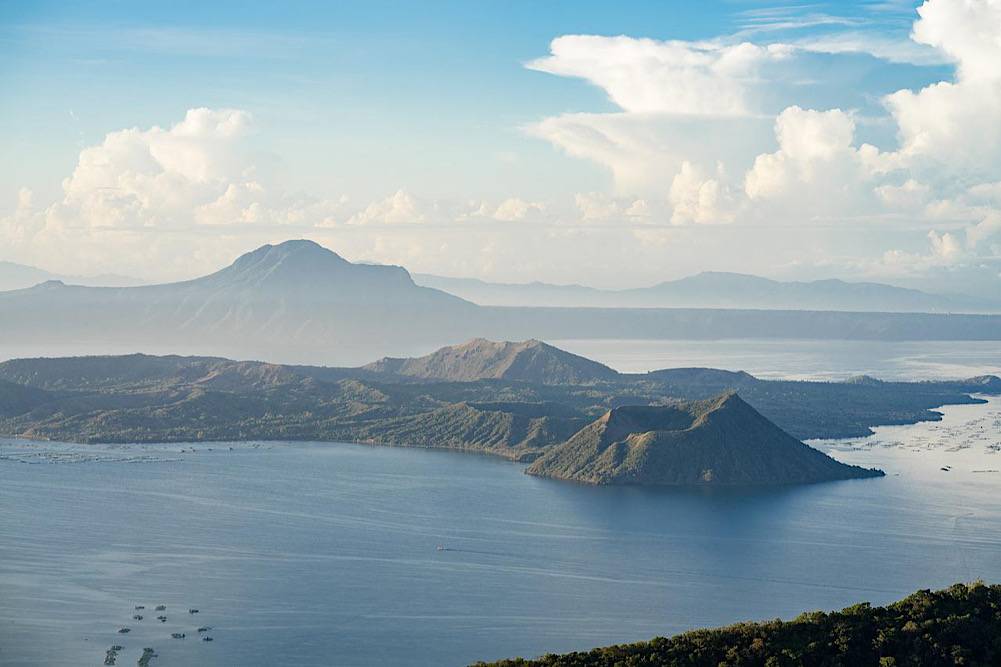
Taal Volcano in Batangas (PIXABAY) The volcanic sulfur dioxide (SO2) emitted from Taal’s main crater on Sunday, Aug. 7, has exceeded 17,000 tons—the highest SO2 emission since the volcano’s alert status was lowered to Level 1 on July 11, said the Philippine Institute of Volcanology and...
Taal Volcano (PIXABAY) The Philippine Institute of Volcanology and Seismology (Phivolcs) on Wednesday, August 3 observed an increase in sulfur dioxide (SO2) emission in the Taal Volcano. “A total of 12,125 tons per day of volcanic sulfur dioxide or SO2 gas emission from the Taal Main Crater was...
The Department of Health (DOH) urged the public, particularly those living near the Taal Volcano, to be vigilant and wear the necessary equipment in order to protect themselves against sulfur dioxide and ashfall. Thick smoke billows from Taal Volcano Saturday morning, March 26, 2022, as seen from...
TAAL VOLCANO (ALI VICOY / MANILA BULLETIN FILE PHOTO) The Philippine Institute of Volcanology and Seismology (Phivolcs) has continued to observe high sulfur dioxide (SO2) emissions at Taal Volcano in Batangas in the past 24 hours. In its volcano bulletin on Saturday, Nov. 6, Phivolcs said the...