






 Philippines
National
Kanlaon Volcano sulfur dioxide emission reaches new all-time high
Philippines
National
Kanlaon Volcano sulfur dioxide emission reaches new all-time high
Kanlaon Volcano sulfur dioxide emission reaches new all-time high


At A Glance
- Kanlaon has been emitting increased concentrations of volcanic SO2 this year, averaging 1,273 tons per day before the June 3 eruption.
- Alert Level 2 (increasing unrest) is still in effect, indicating that Kanlaon Volcano's current unrest is driven by shallow magmatic processes, which could lead to explosive eruptions or hazardous magmatic activity at the summit crater.
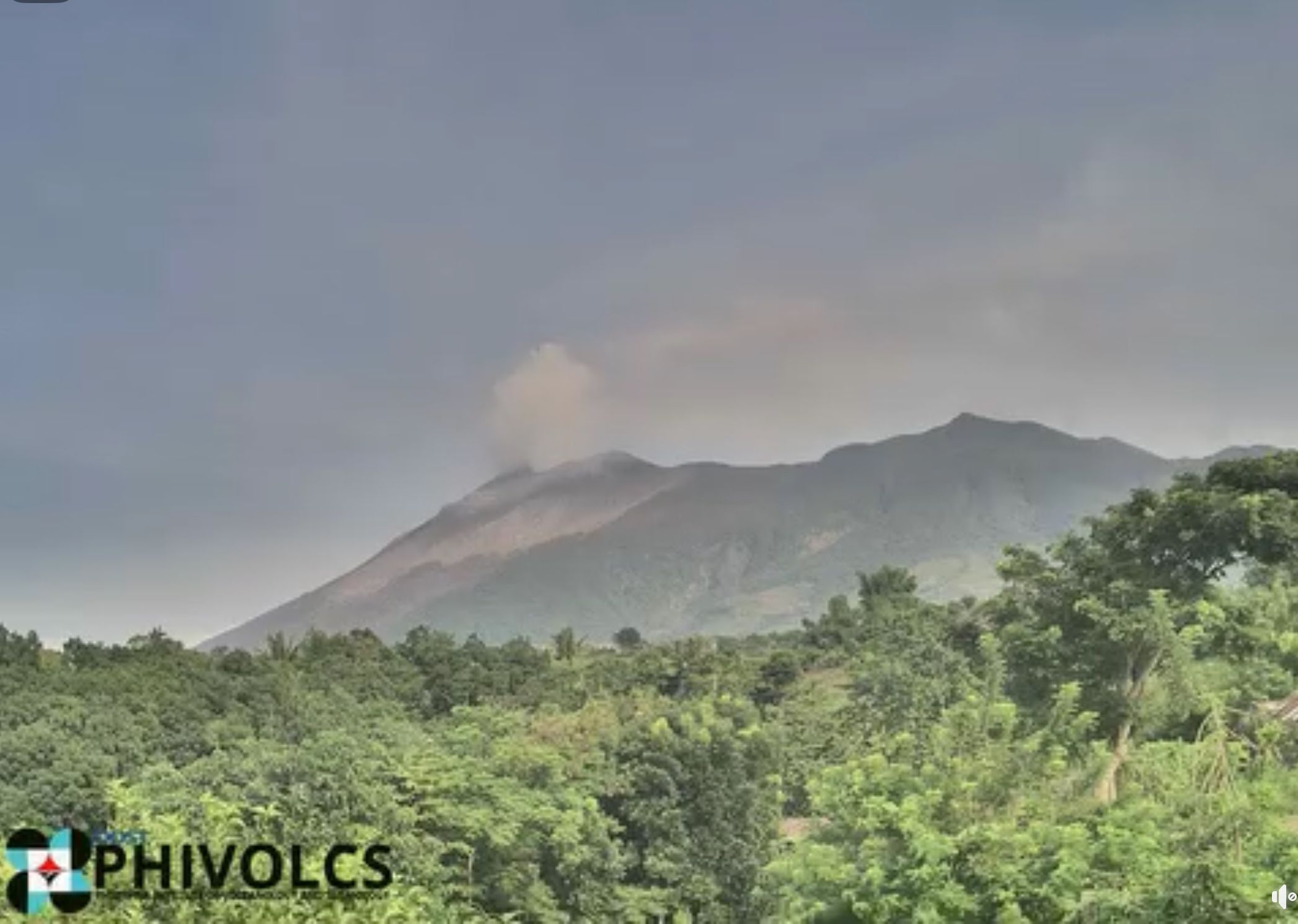
The Philippine Institute of Volcanology and Seismology (Phivolcs) observed a significant increase in sulfur dioxide (SO2) emissions at Kanlaon Volcano, which reached a record-high level on Tuesday, Aug. 13.
In an advisory released at 6:30 p.m. on Tuesday, Phivolcs said Kanlaon Volcano’s gas emissions averaged 7,307 tons per day, marking the highest level recorded since instrumental gas monitoring began.
It noted that Kanlaon has been emitting increased concentrations of volcanic SO2 this year, averaging 1,273 tons per day before the June 3 eruption.
Since then, emissions have increased by an average of 3,102 tons daily.
In addition, Phivolcs said volcanic earthquake activity has persisted at an average of nine events per day since the eruption.
Real-time ground deformation data from continuous GPS and electronic tilt measurements have shown inflation of the Kanlaon edifice since March 2022, with increased inflation of the eastern flank starting in 2023.
Campaign EDM data also recorded increased inflation of the southeastern flank in July 2024, indicating slow but sustained pressurization within the volcano.
Phivolcs said the current monitoring parameters suggest that shallow magmatic processes are driving the unrest, resulting in persistent and increasing volcanic gas emissions, swelling of the edifice, and ongoing volcanic earthquake activity.
It reminded the public that Alert Level 2 (increasing unrest) is still in effect, indicating that Kanlaon Volcano’s current unrest is driven by shallow magmatic processes, which could lead to explosive eruptions or hazardous magmatic activity at the summit crater.
Phivolcs advised the public to remain vigilant and avoid entering the four-kilometer-radius permanent danger zone to minimize risks from volcanic hazards, including pyroclastic density currents, ballistic projectiles, and rockfalls.
In the event of ash fall affecting communities downwind of Kanlaon’s crater, people should cover their noses and mouths with a damp and clean cloth or dust mask.
Phivolcs also advised civil aviation authorities to instruct pilots to avoid flying near the volcano’s summit, as ash and ballistic fragments from a sudden eruption could be hazardous to aircraft.
Likewise, communities living along river systems on the southern and western slopes—particularly those with a history of lahars and muddy streamflows—should take precautionary measures during heavy rainfall.