






 Philippines
National
Vog warning: Taal Volcano emits highest sulfur dioxide for 2024
Philippines
National
Vog warning: Taal Volcano emits highest sulfur dioxide for 2024
Vog warning: Taal Volcano emits highest sulfur dioxide for 2024


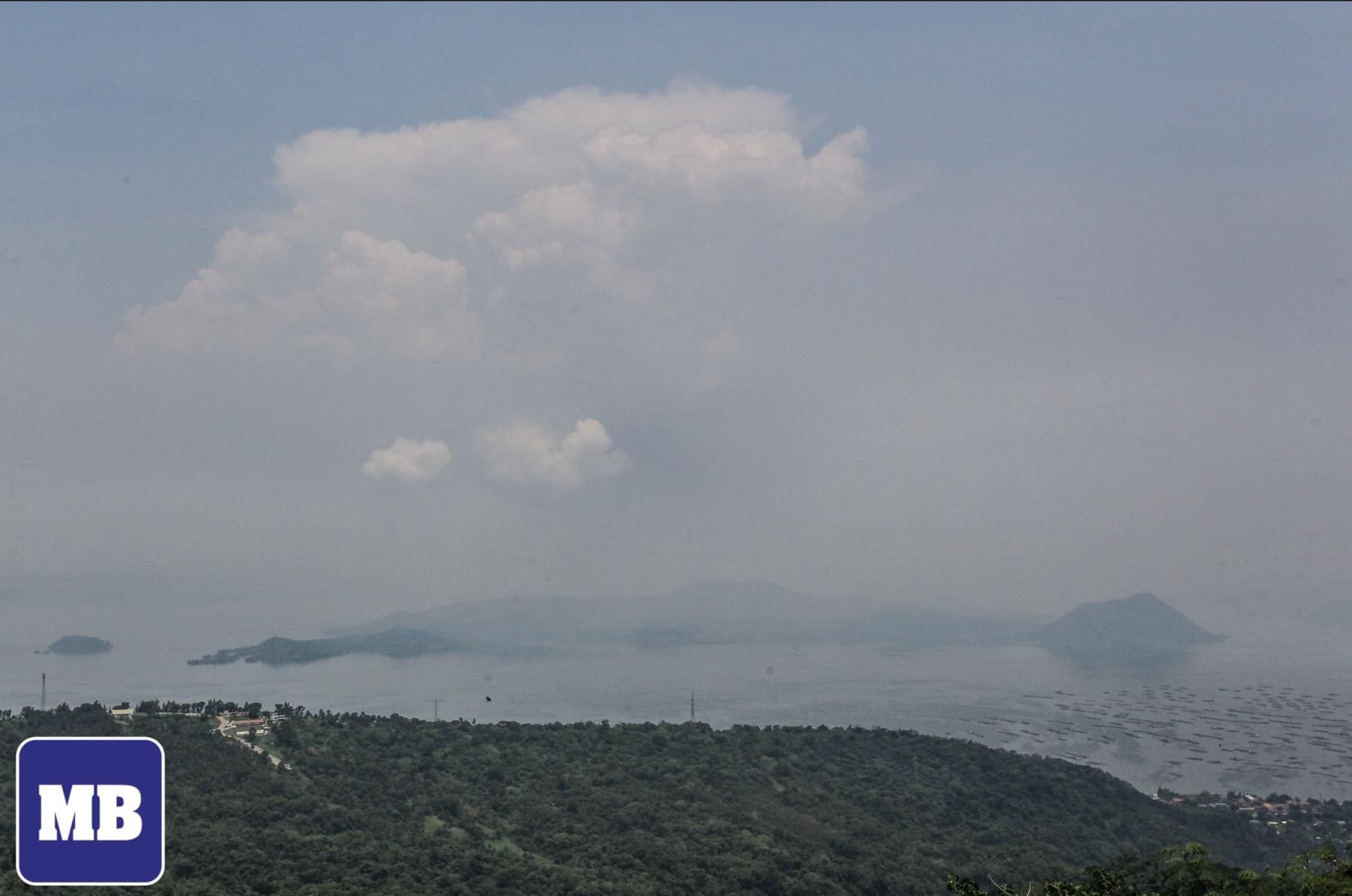
The Philippine Institute of Volcanology (Phivolcs) on Thursday, March 28 warned of the possibility of smog or “vog” in the Taal Volcano’s surrounding communities due to a significant increase in volcanic sulfur dioxide emissions.
“A total of 18,638 tons per day of volcanic sulfur dioxide or SO2 gas emission from the Taal Main Crater was measured today (March 28), the highest flux recorded this year,” it said in an advisory on Thursday afternoon.
“Taal has averaged approximately 10,331 tons per day for the year and has been continuously degassing voluminous concentrations of SO2 since 2021,” it added.
Vog alert
Phivolcs noted that “moderate” winds have prevented SO2 from building up and that visual monitors were unable to detect any volcanic smog or vog over Taal Caldera on Thursday.
However, it warned that the communities located to the west and southwest of Taal Volcano Island (TVI) are particularly vulnerable to prolonged exposure to volcanic SO2, which may cause irritation to the respiratory tract, eyes, and throat.
Individuals with health conditions like asthma, lung disease, and heart disease, the elderly, expectant mothers, and children may be especially sensitive.
Phivolcs recommended limiting exposure to SO2 by avoiding outdoor activities, staying indoors, and closing doors and windows to keep out volcanic gas.
“Protect yourself. Cover your nose, ideally with an N95 facemask. Drink plenty of water to reduce any throat irritation or constriction,” Phivolcs said.
“If belonging to the particularly sensitive group of people above, watch over yourself and seek help from a doctor or the barangay health unit if needed, especially if serious effects are experienced,” it added.
Alert level 1 still up
Phivolcs said Taal Volcano remains on Alert Level 1, which indicates that it is still in an abnormal state and should not be interpreted as having ceased unrest or the threat of eruptive activity.
Under Alert Level 1, sudden steam-driven or phreatic explosions, volcanic earthquakes, minor ashfall, and lethal accumulations or expulsions of volcanic can occur and pose a threat to the communities in TVI.
Phivolcs warned that the high levels of SO2 emissions could pose long-term health risks to communities near Taal Caldera that are frequently exposed to volcanic gas.
It reiterated that entry to the TVI, Taal’s permanent danger zone, particularly the area surrounding the Main Crater and the Daang Kastila fissure, is strictly prohibited.