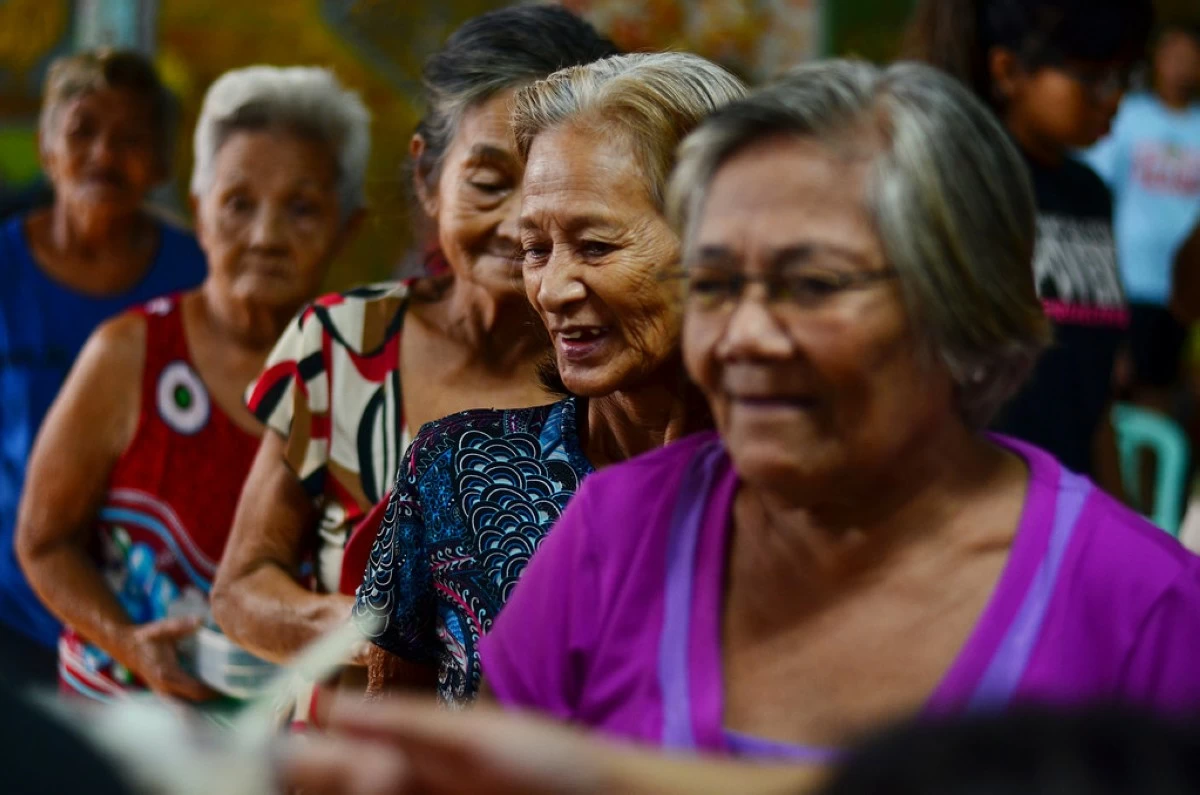
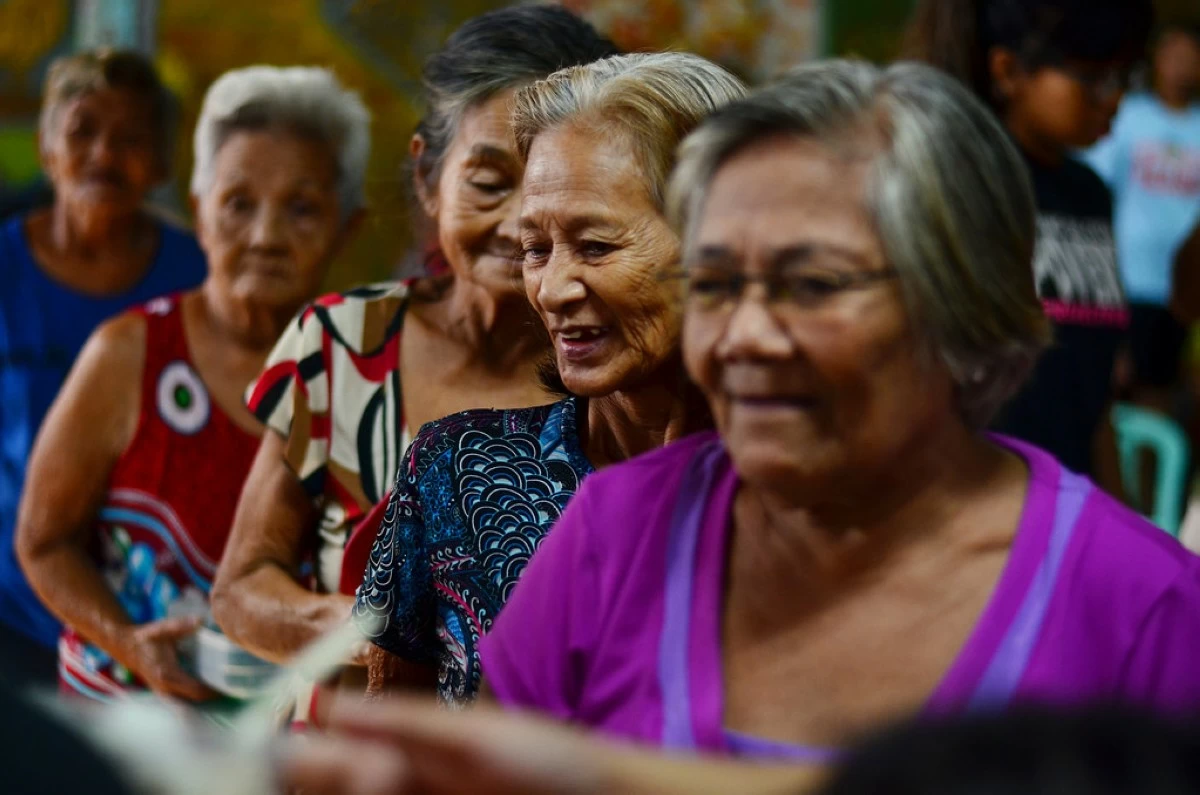
Many older Filipinos remain at risk of falling into poverty despite not being officially classified as poor, highlighting gaps in pension coverage and the need for a broader measure of economic vulnerability, according to state-run policy think tank Philippine Institute for Development Studies...
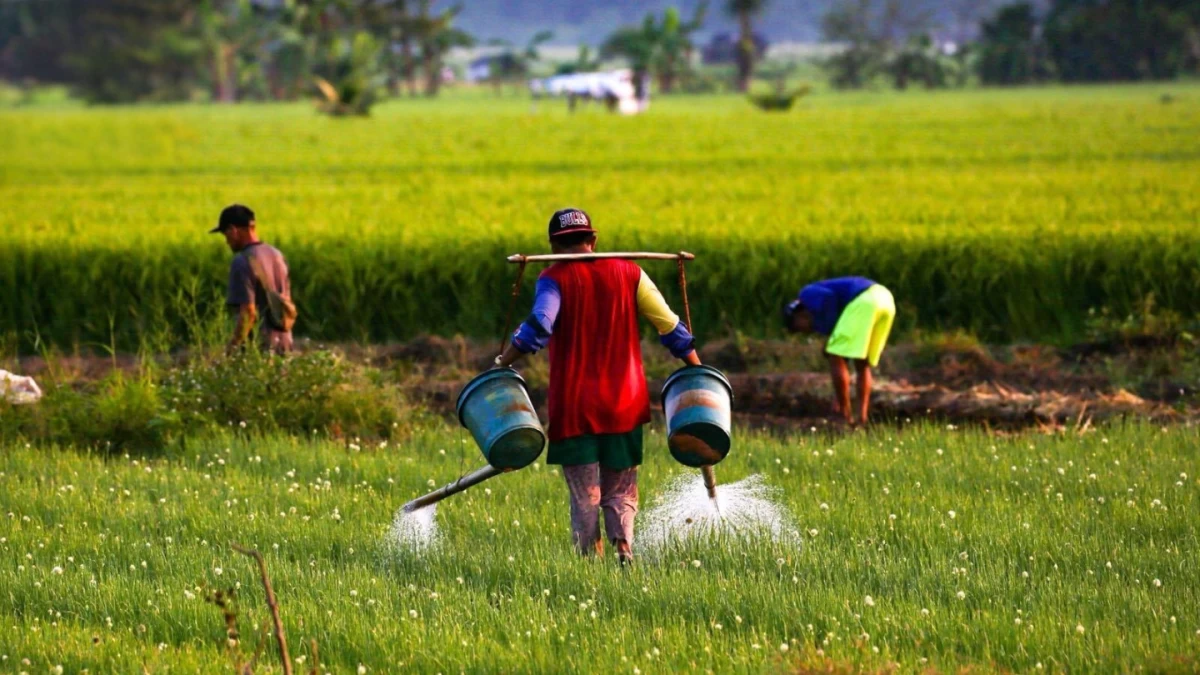
Despite increased government spending on agriculture and social protection, the Philippines continues to grapple with persistent malnutrition, high food prices, and weak agricultural productivity, underscoring the need for a major overhaul of food security policies, according to state-run policy...
Filipina migrant workers have become indispensable to caring for aging populations across the Asia-Pacific region, but they continue to face gaps in labor protection, employment conditions, and gender equality, according to state-run policy think tank Philippine Institute for Development Studies...
Cities with fully automated business permits and licensing systems (BPLS) posted stronger local business tax (LBT) revenue growth, with only 54 of the 138 Philippine cities studied having fully automated their BPLS, according to state-run policy think tank Philippine Institute for Development...
The Philippine Technology Transfer Act has failed to commercialize publicly funded research and development (R&D) despite 15 years of implementation, leaving technology transfer at a “nascent stage,” according to state-run policy think tank Philippine Institute for Development Studies (PIDS)....
The Philippines risks “growing old before becoming rich” unless policymakers shift their focus from population control to investing more in children, boosting productivity, and preparing for an aging society, according to state-run policy think tank Philippine Institute for Development Studies...
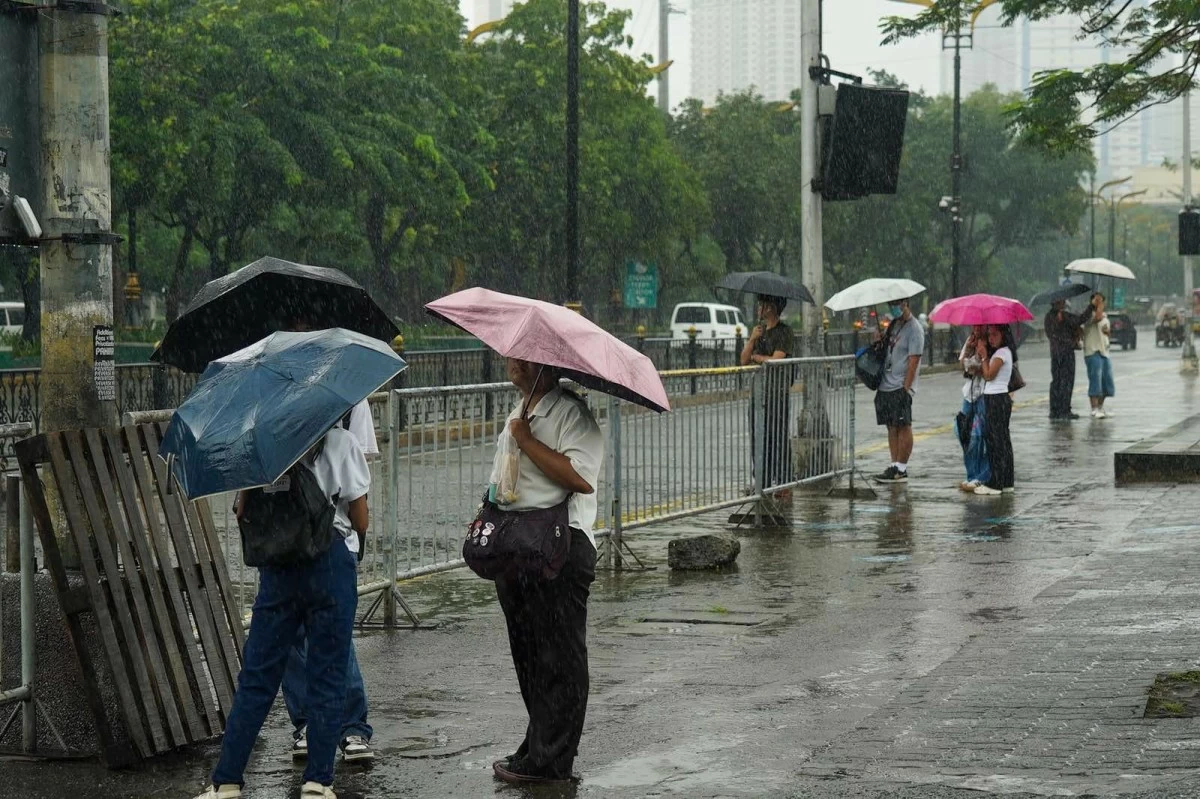
Frequent rainfall reduces the labor productivity and income of day-to-day and short-term workers, according to state-run policy think tank Philippine Institute for Development Studies (PIDS). In a statement on Tuesday, July 21, PIDS said its recent discussion paper “When Rain Falls, Work Slows:...
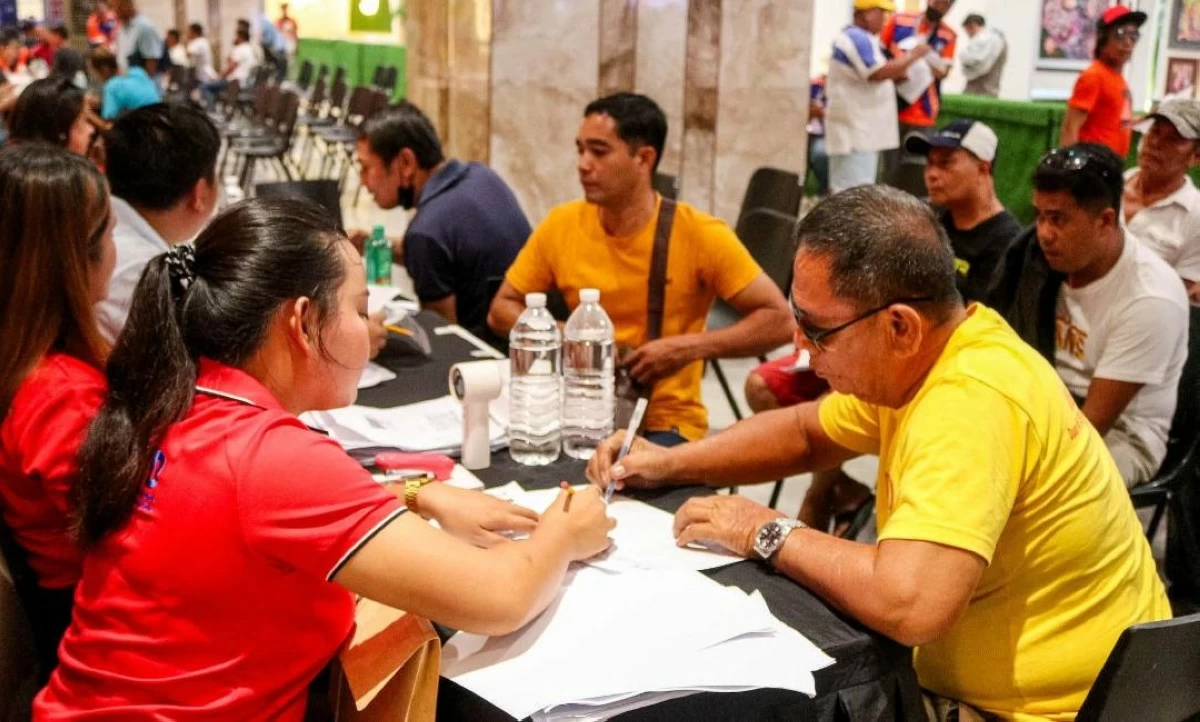
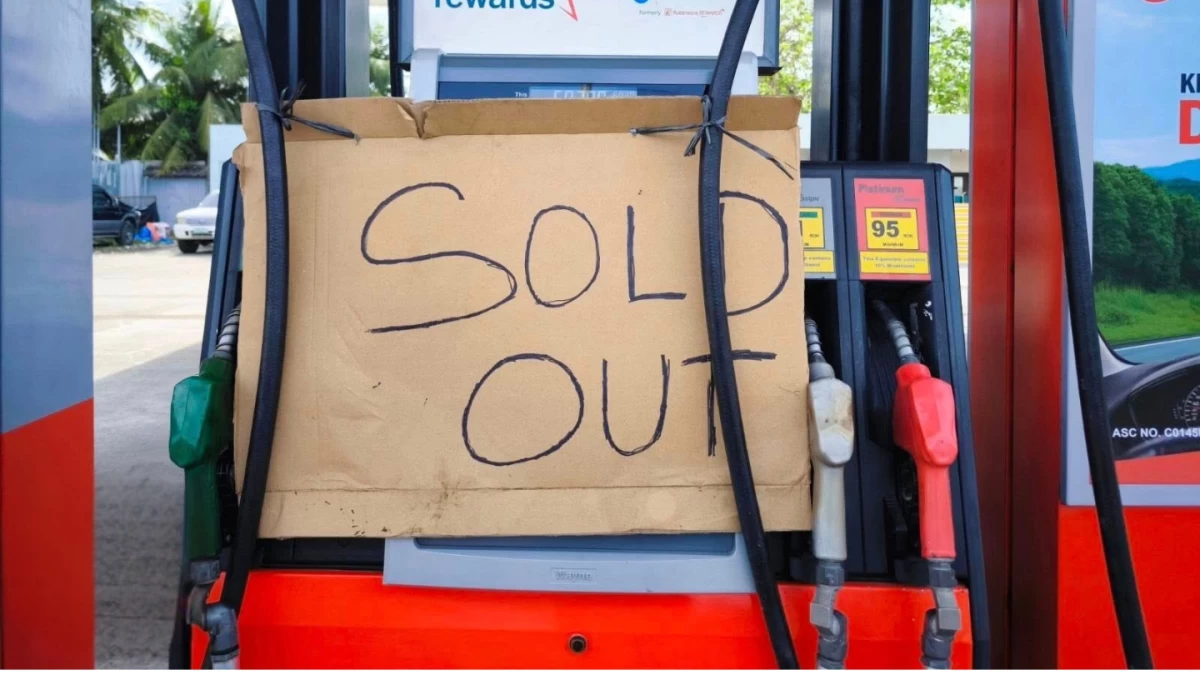
A ₱5,000 cash relief assistance (CRA) distributed by the government to help drivers cope with the fuel price shock has largely succeeded in keeping transport workers on the road, but almost two-thirds of beneficiaries said the amount was insufficient to cover their operating costs, according to...
The Philippines remains energy insecure as its growing dependence on Middle Eastern crude oil and tightening power reserves leave the country increasingly vulnerable to global fuel supply disruptions as well as power supply risks, according to state-run think tank Philippine Institute for...
Violence experienced at home and exclusion encountered in school could have lasting consequences on Filipino adolescents’ education, well-being, as well as future opportunities, according to studies presented by state-run think tank Philippine Institute for Development Studies (PIDS). The...
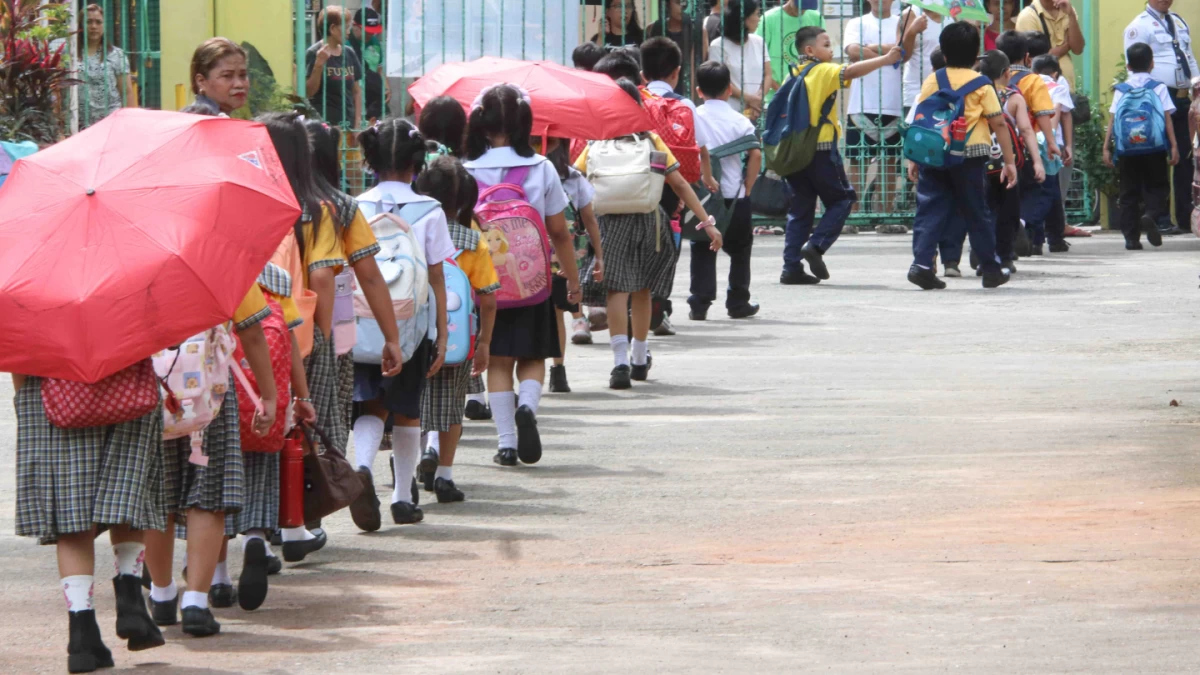
Nearly one in four Filipino adolescents falls behind academically by the age of 18, threatening to undermine the long-term productivity of the Philippines’ future workforce, according to a landmark study. Data from the Longitudinal Cohort Study on the Filipino Child (LCSFC) revealed that...
The Philippines’ more-than-three-decade-old devolution program remains incomplete, with local government units (LGUs) and national agencies continuing to share responsibilities for many basic services despite the 1991 Local Government Code (LGC), according to state-run policy think tank...