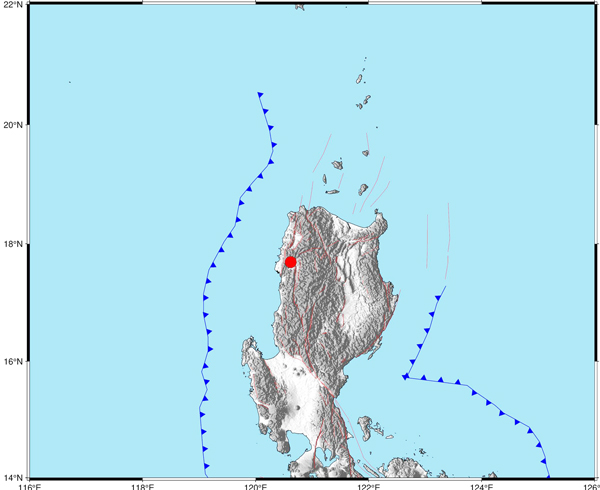
VIGAN CITY, Ilocos Sur – Two more earthquakes rocked Northern Luzon hours after a magnitude-4.7 tremor hit the region on Sunday, March 26. The Philippine Institute of Volcanology and Seismology (Phivolcs) said a magnitude-4.9 earthquake struck at 8:38 p.m. Its epicenter was four kilometers...
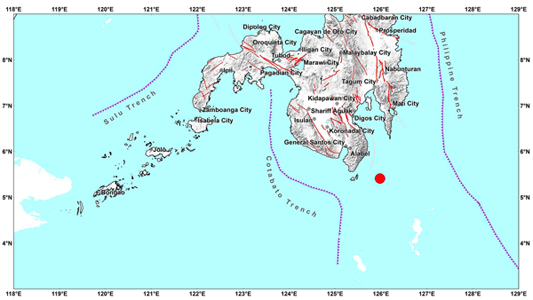
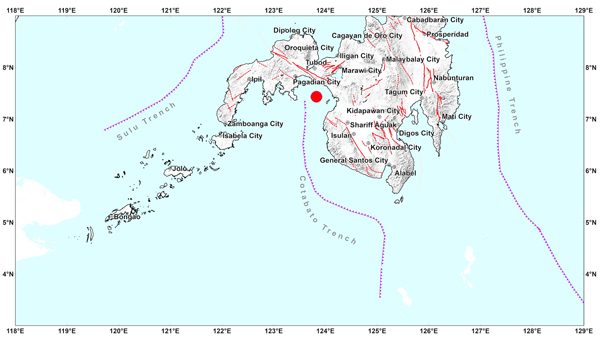
BUTUAN CITY – A magnitude-4.2 earthquake rocked Davao Occidental on Monday, March 27, the Philippine Institute of Volcanology and Seismology (Phivolcs) said. Phivolcs said the earthquake was recorded at 8:44 a.m. and its epicenter was located 57 kilometers (kms) southeast of Sarangani...
An earthquake with a magnitude measuring 4.9 jolted Abra on Sunday evening, March 26, state seismologists said. The Philippine Institute of Volcanology and Seismology (Phivolcs) said the epicenter of the quake was detected four kilometers southwest of Danglas, Abra. The seismic event was tectonic in...
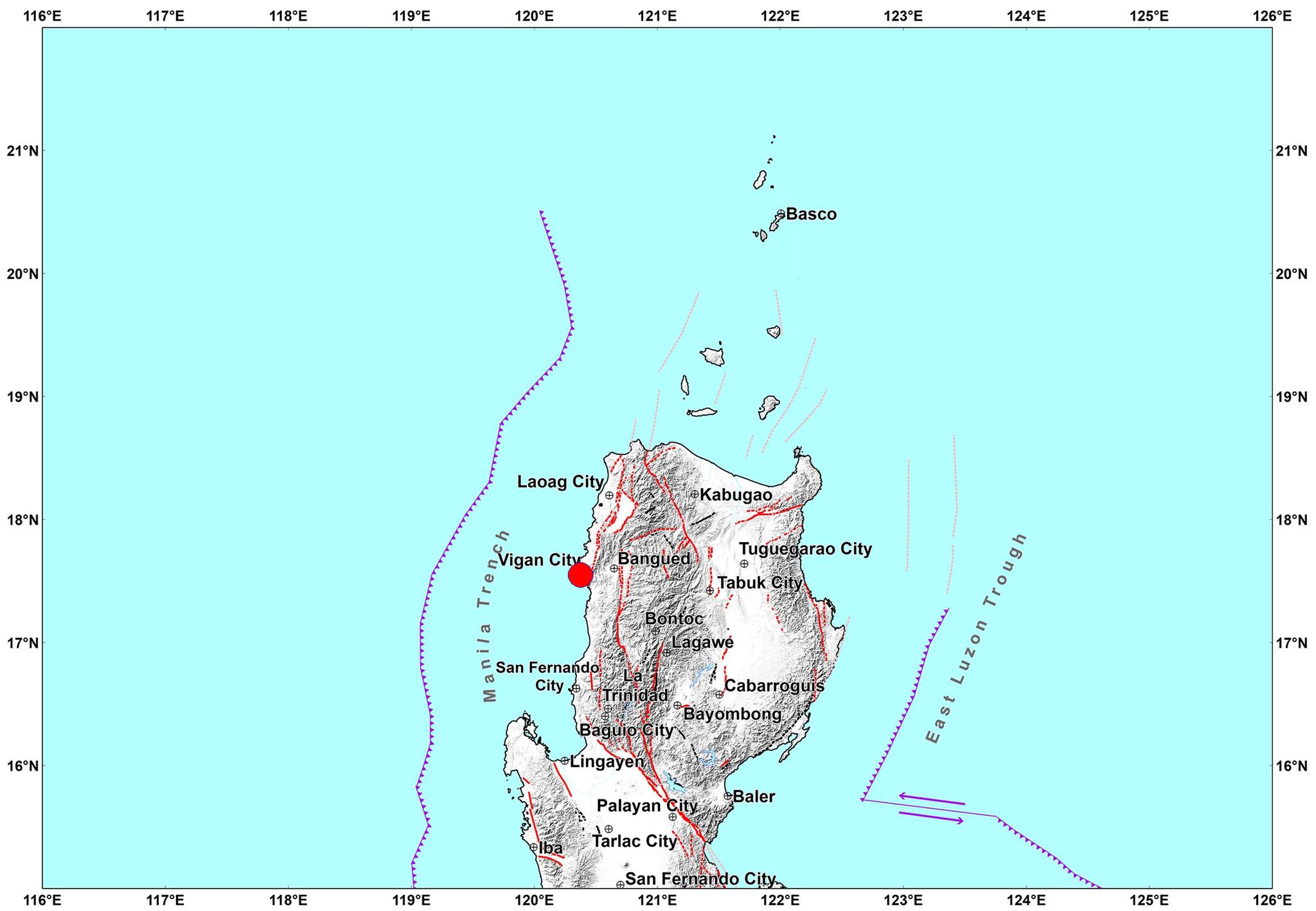
VIGAN CITY, Ilocos Sur – A magnitude-4.6 earthquake rocked three provinces in Northern Luzon on Sunday morning, March 26. The moderately strong earthquake which occurred at 5:35 a.m. was tectonic in origin and caused by the movement of a fault line in the area. Its epicenter was located two...
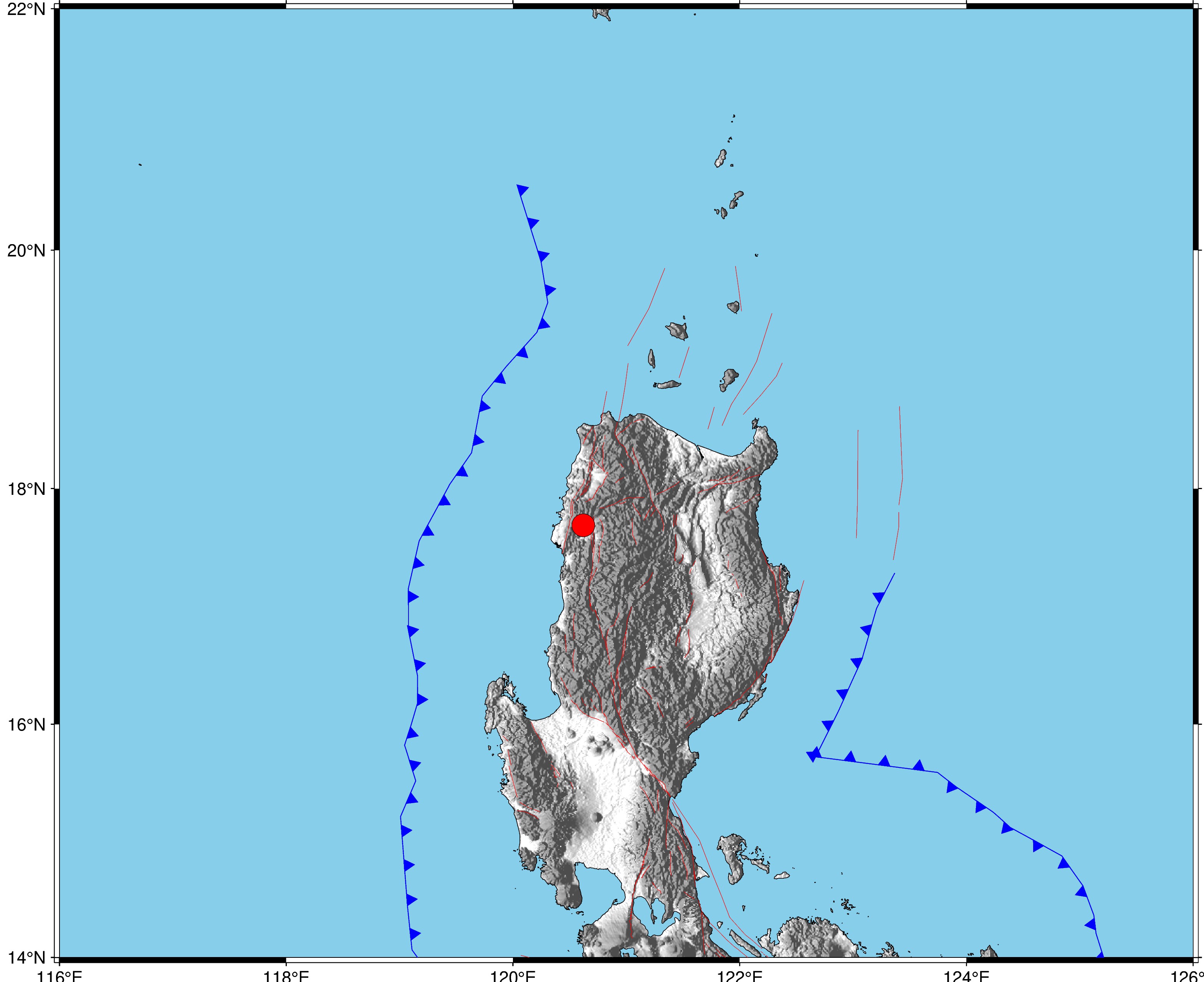
VIGAN CITY, Ilocos Sur – A magnitude-3.4 earthquake rocked this province on Friday morning, March 24. The Philippine Institute of Volcanology and Seismology (Phivolcs) said the earthquake occurred at 9:13 a.m. The tectonic quake’s epicenter was located three kilometers southwest of this city...
The Philippine Institute of Volcanology and Seismology (Phivolcs) said a 5.6-magnitude earthquake hit Cagayan province on Thursday morning, March 23. Based on its earthquake information, Phivolcs said the quake struck 18 kilometers northwest of Dalupiri Island, Calayan, Cagayan around 7:31 a.m. The...
A 4.2-magnitude earthquake jolted Davao Oriental on Wednesday afternoon, March 22, said the Philippine Institute of Volcanology and Seismology (Phivolcs). In its earthquake bulletin, Phivolcs said the quake struck 2 kilometers southeast of Governor Generoso, Davao Oriental around 12:28 p.m. Its...
BUTUAN CITY – A magnitude-4.7 earthquake rocked Central Mindanao or the South Cotabato, Cotabato, Sultan Kudarat, Sarangani, and General Santos area (Soccksargen) on Tuesday morning, March 21. The Philippine Institute of Volcanology and Seismology (Phivolcs) recorded the earthquake at 5:13...
A magnitude 4.9 earthquake struck Zambales on Friday night, March 17, just a day after a 4.7-magnitude tremor jolted the province. The Philippine Institute of Volcanology and Seismology (Phivolcs) said the 4.9-magnitude quake hit Zambales province at 9:56 p.m. Its epicenter was initially traced 49...
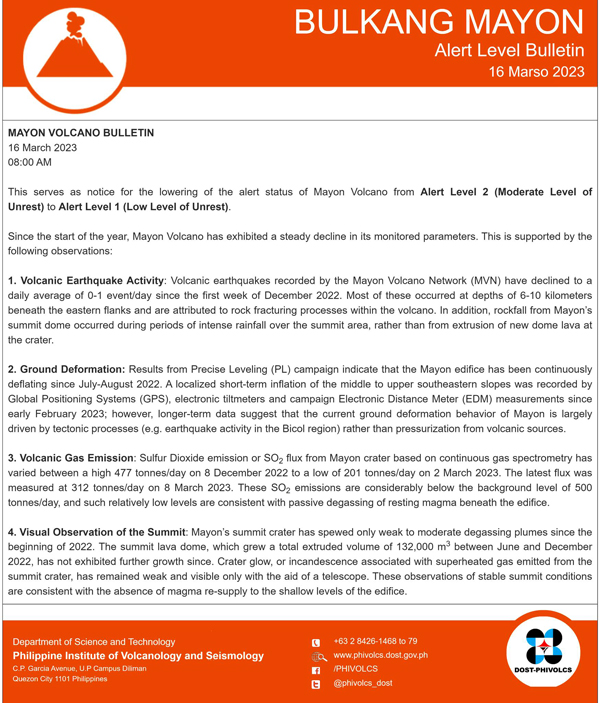
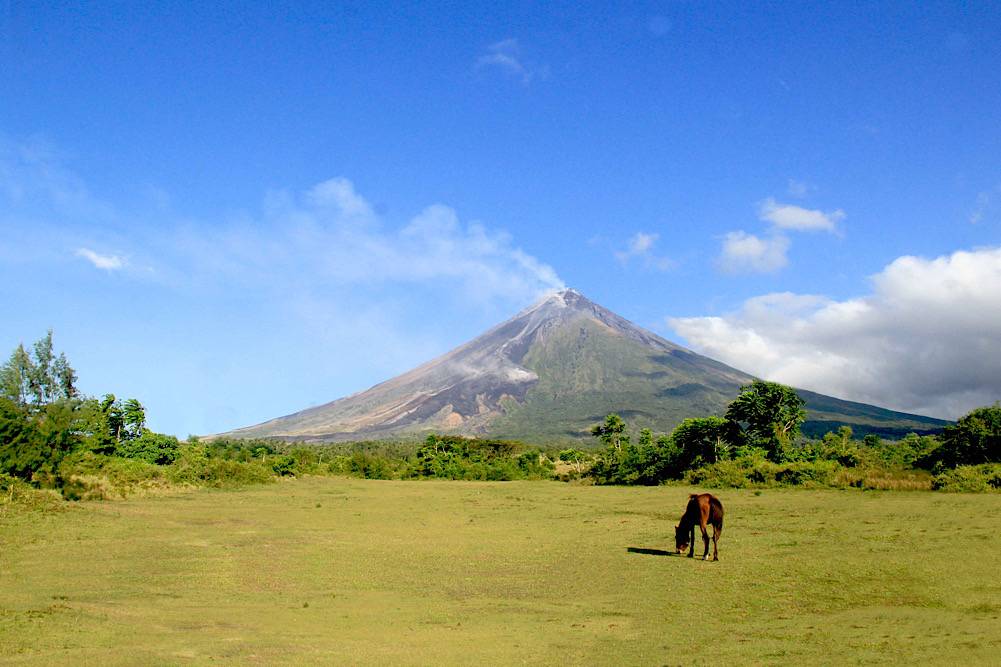
LEGAZPI CITY, Albay – The Philippine Institute of Volcanology and Seismology (Phivolcs) on Thursday, March 16, reminded the people that danger from the majestic Mayon Volcano remains despite the lowering of the alert status from two to one. "The lowering of the alert status should not be...
A 4.7-magnitude earthquake jolted Zambales on Thursday noon, March 16, said the Philippine Institute of Volcanology and Seismology (Phivolcs). Phivolcs said the quake struck 13 kilometers northeast of Masinloc, Zambales around 12:21 p.m. The tremor was felt at Intensity IV (moderately strong) in...
The Philippine Institute of Volcanology and Seismology (Phivolcs) on Thursday, March 16 lowered the alert status of Mayon Volcano in Albay from Alert Level 2 (moderate-level unrest) to Alert Level 1 (low-level unrest). “This means that the volcano’s state of unrest has declined to low levels...