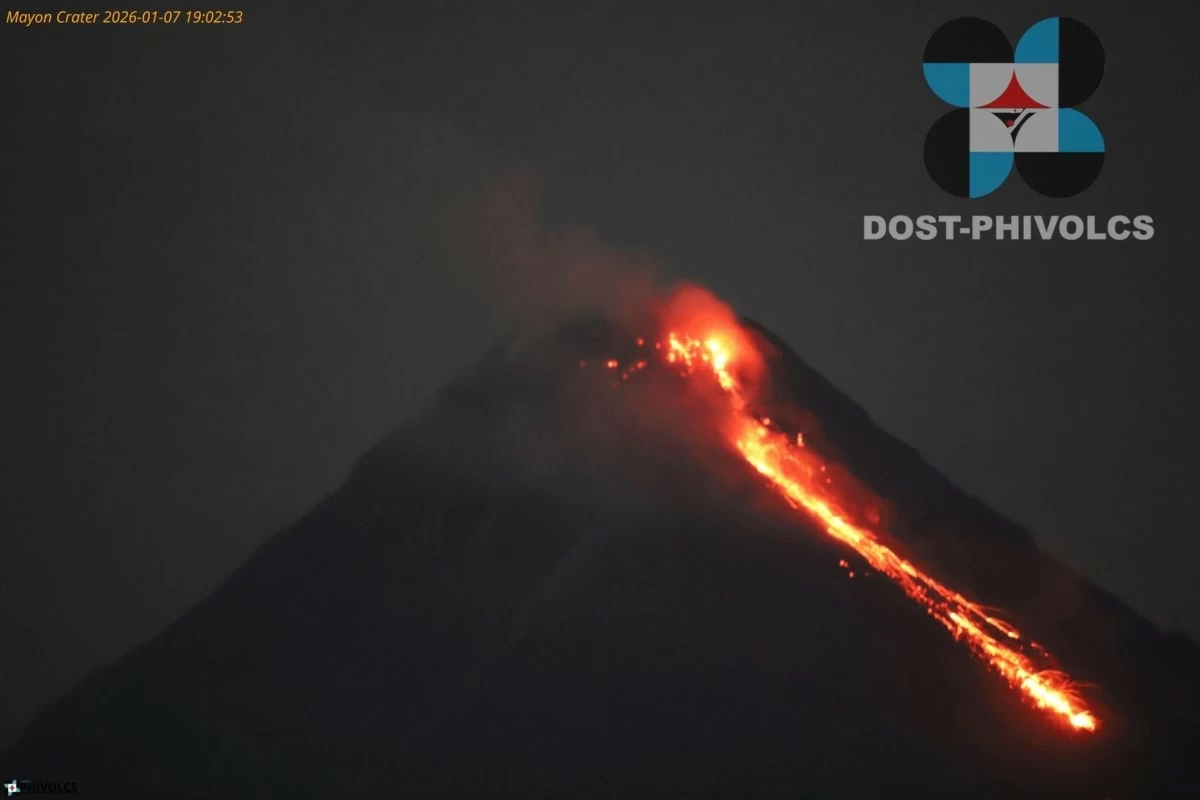
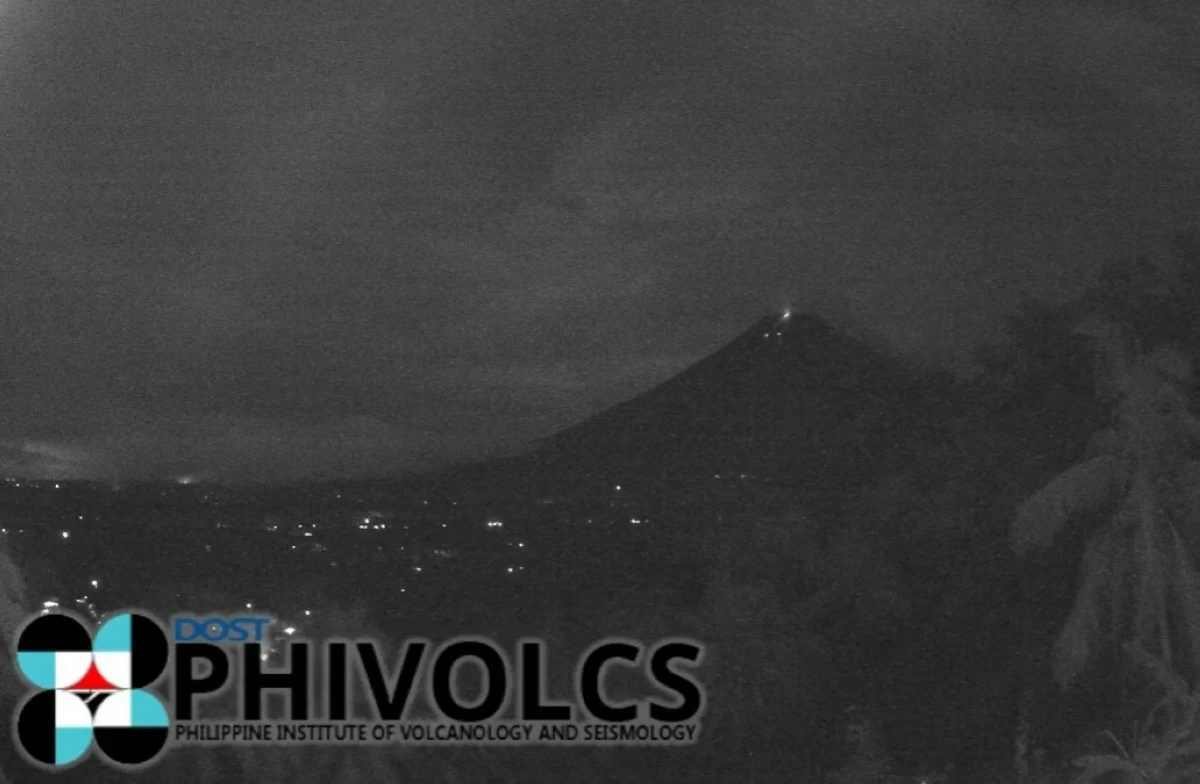
A total of 150 rockfall events were recorded at Mayon Volcano from 12 a.m. on Jan. 9 to 12 a.m. on Jan. 10, as the volcano remains under Alert Level 3, the Philippine Institute of Volcanology and Seismology (Phivolcs) reported. The agency also said it recorded 90 pyroclastic density currents at...
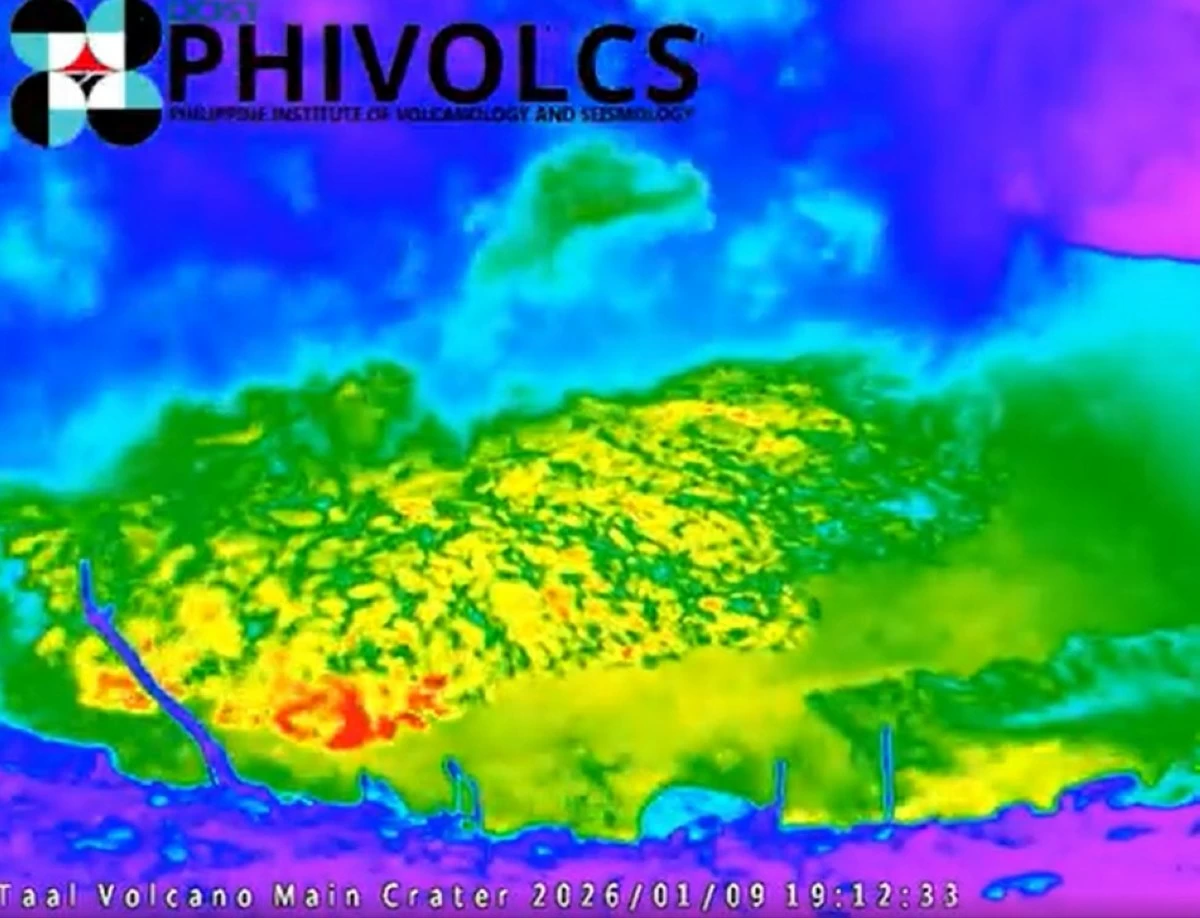
A minor phreatomagmatic eruption occurred at Taal Volcano’s Main Crater on Friday evening, January 9, generating a 900-meter-high plume that drifted southwest, the Philippine Institute of Volcanology and Seismology (Phivolcs) said. Phivolcs reported that the event took place between 7:11 p.m. and...
Mayon Volcano remains under Alert Level 3 (Intensified Magmatic Unrest) as monitoring data over the past 24 hours showed continued volcanic activity, according to the Philippine Institute of Volcanology and Seismology (Phivolcs) on Thursday, January 8. In its 24-hour observation summary, Phivolcs...
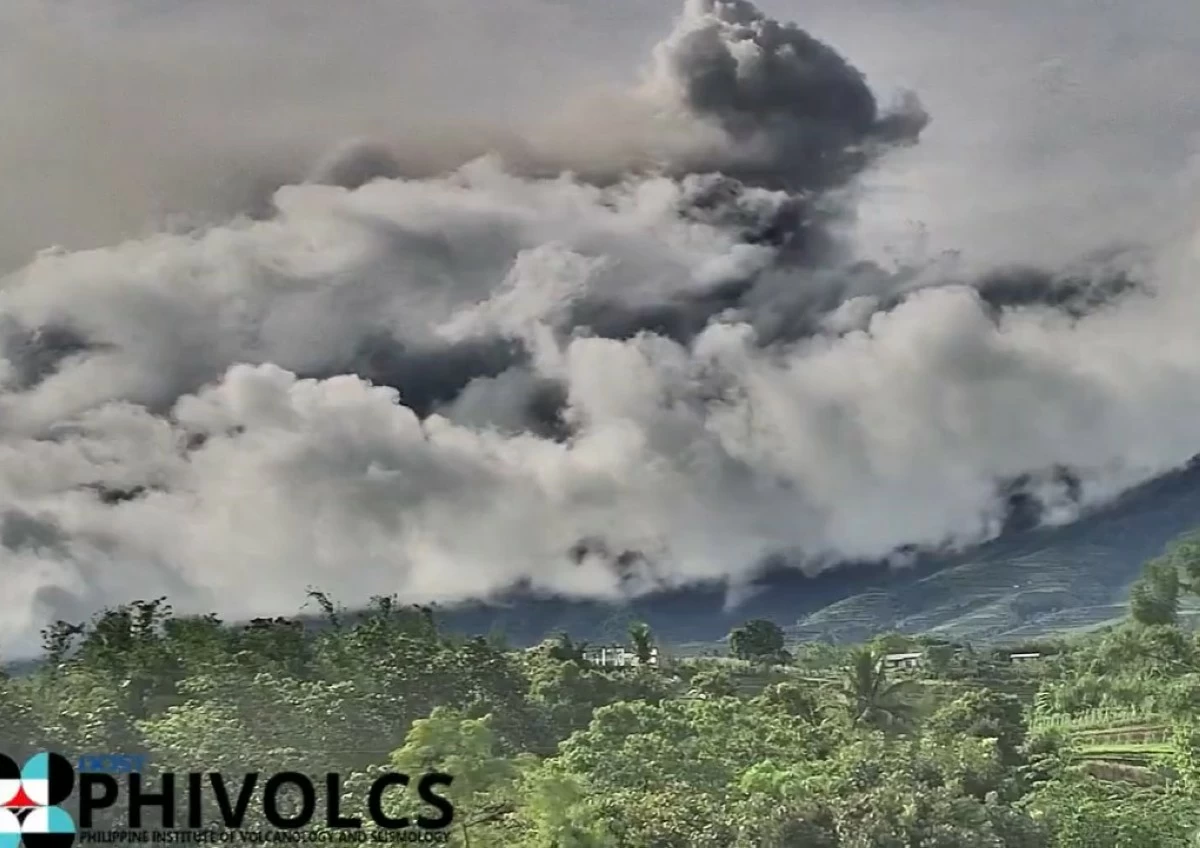
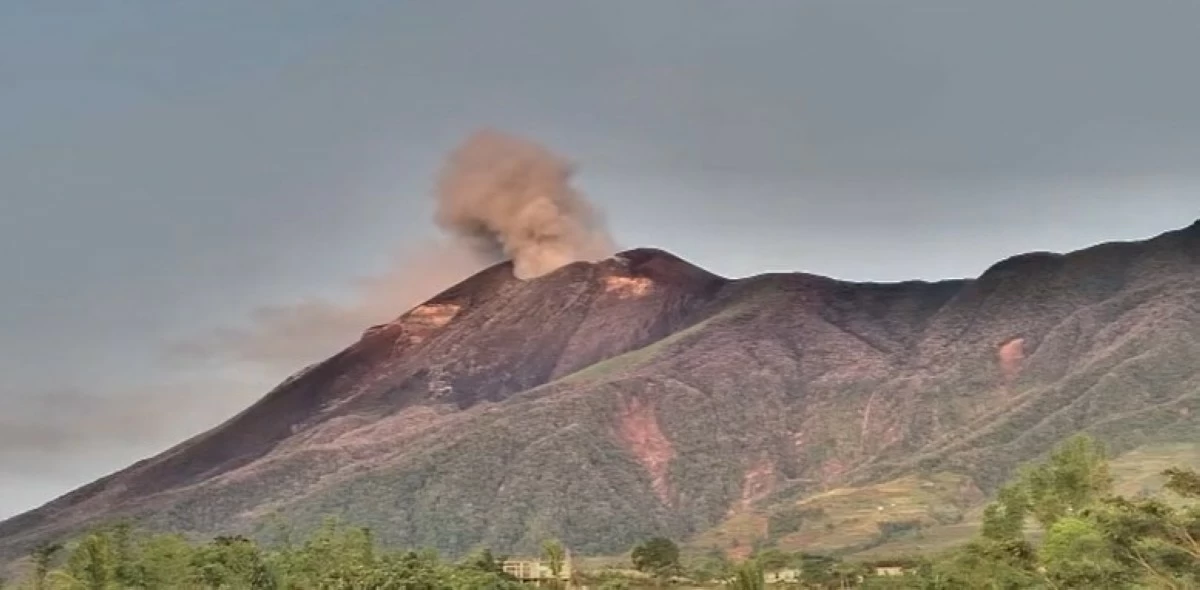
The Philippine Institute of Volcanology and Seismology (Phivolcs) on Wednesday, January 7, reported ongoing ash emissions at Kanlaon Volcano. Time-lapse footage captured by the Kanlaon Volcano Observatory–Canlaon City (KVO-CC) IP cameras showed grayish plumes rising up to 900 meters above the...
Mayon Volcano continues to show intensified magmatic unrest as the Philippine Institute of Volcanology and Seismology (Phivolcs) maintains the volcano under Alert Level 3 following increased activity recorded over the past 24 hours. In its latest bulletin covering observations from 12 a.m. on...
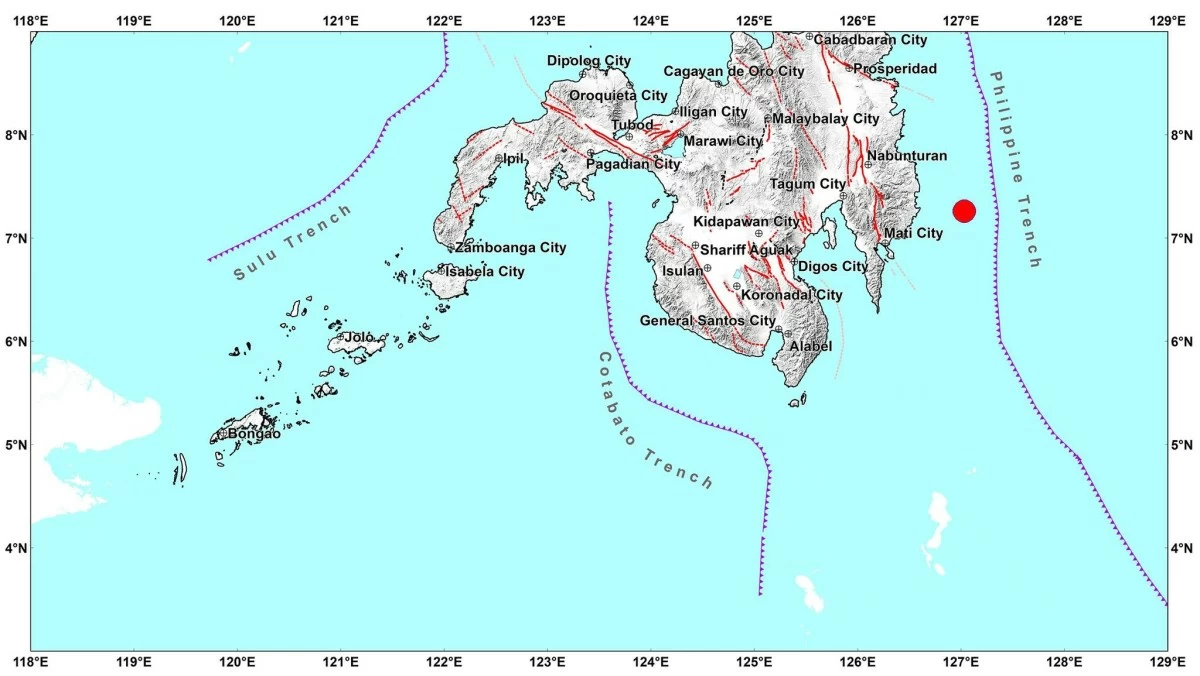
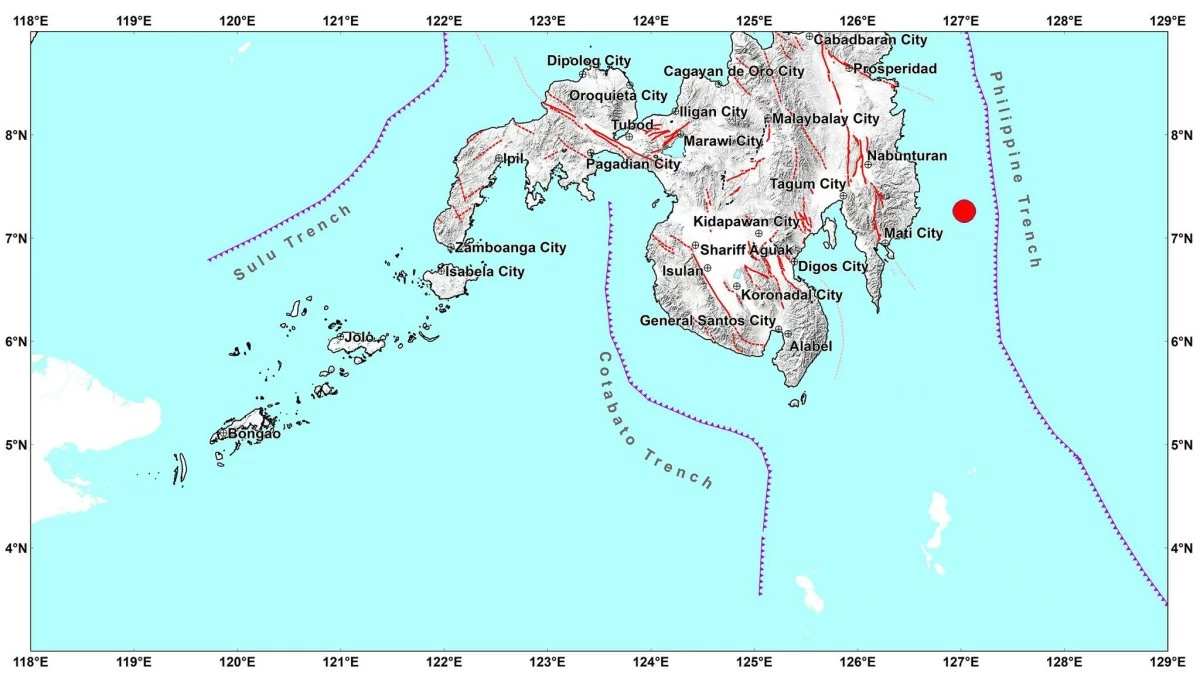
A strong tectonic earthquake with a magnitude of 6.4 struck off the coast of Manay, Davao Oriental, at 11:02 a.m. on Wednesday, January 7, the Philippine Institute of Volcanology and Seismology (Phivolcs) said. The quake’s epicenter was located approximately 55 kilometers north-northeast of...
A strong tectonic earthquake with a magnitude of 6.4 struck off the coast of Manay, Davao Oriental, at 11:02 a.m. on Wednesday, January 7, the Philippine Institute of Volcanology and Seismology (Phivolcs) said. The quake’s epicenter was located approximately 55 kilometers north-northeast of...
LEGAZPI CITY, Albay - Gov. Noel Rosal ordered the immediate pre-emptive evacuation of residents living within the six-kilometer permanent danger zone (PDZ) of Mayon Volcano after the Philippine Institute of Volcanology and Seismology’s raised the volcano’s alert status from two to three at noon...
The Philippine Institute of Volcanology and Seismology (Phivolcs) on Tuesday, January 6, raised Mayon Volcano’s alert status from Level 2 to Alert Level 3, signaling an increased likelihood of a hazardous eruption. In an advisory, Phivolcs said that since the volcano’s alert was elevated to...
Mayon Volcano continues to show signs of increased unrest, with 85 rockfall events recorded in the past 24 hours, the Philippine Institute of Volcanology and Seismology (Phivolcs) said on Tuesday, January 6. Phivolcs said the latest incandescent rockfall from the summit lava dome occurred at 10:46...
The Philippine Institute of Volcanology and Seismology (Phivolcs) confirmed on Tuesday, January 6, a weak ash emission at Kanlaon Volcano after grayish plumes were observed rising from its summit crater early in the morning. In an advisory, Phivolcs said time-lapse footage from IP cameras at the...
The Philippine Institute of Volcanology and Seismology (Phivolcs) on Saturday, January 3, observed increased volcanic activity at Mayon Volcano, prompting authorities to maintain Alert Level 2 and caution the public against venturing into high-risk areas. From 12 a.m. on January 2 to 12 a.m. on...