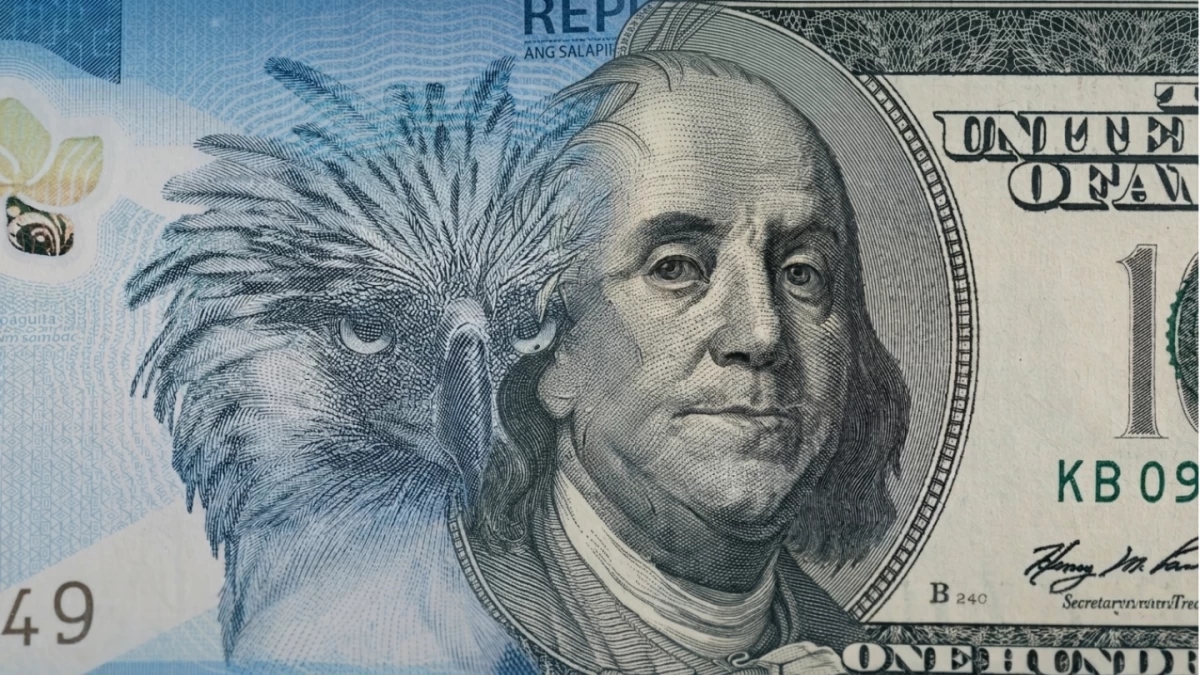
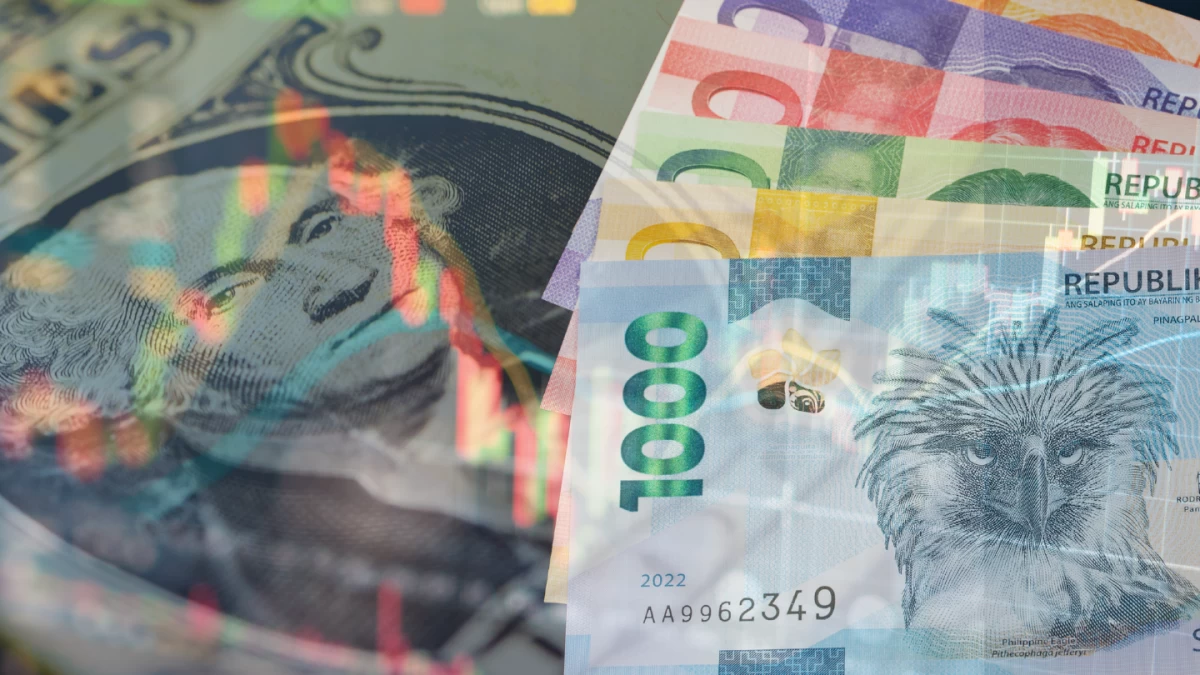
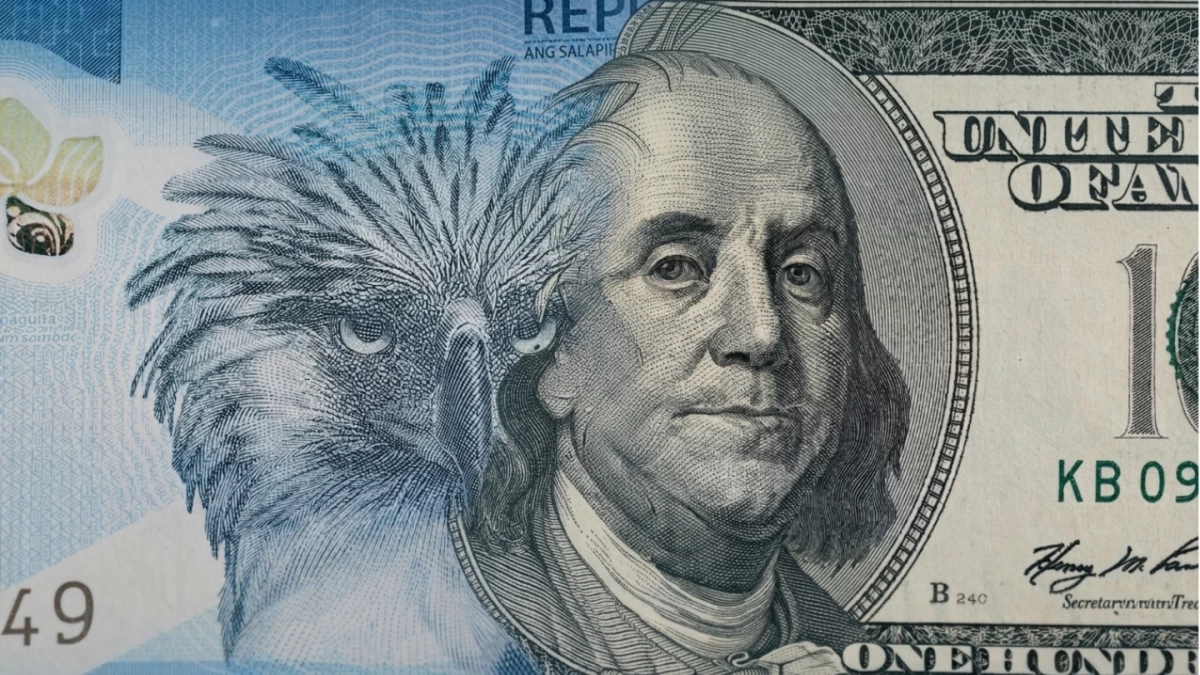
Demand for the safe-haven United States (US) dollar surged amid heightened geopolitical uncertainty, sending the Philippine peso tumbling to a fresh historic low of ₱62.265 on Friday, Aug. 28, from the previous record of ₱61.888 just a day ago. The local currency slid to an intraday low of...
Local markets reacted quickly to the Bangko Sentral ng Pilipinas’ (BSP) higher inflation assumption for 2027 due to El Niño risks, pushing the Philippine peso to a historic low of ₱61.888 on Thursday, Aug. 27. The record low extended the peso’s recent weakness, with the local currency...
Local economic growth suffered from a severe contraction in investments and a construction slump, causing Southeast Asia’s growth to slow to five percent in the second quarter. In an Aug. 19 commentary, Singapore-based Oversea-Chinese Banking Corp. Ltd. (OCBC) Group Research reported that the...
Further increasing the key borrowing cost to five percent is needed to curb still-elevated price pressures that are hurting consumers’ pockets, Frankfurt-based Deutsche Bank AG said. Deutsche Bank Research joined the hawkish consensus, pricing in a quarter-point hike at the monetary...
Market concerns flared up following the expiry of the two-month truce between the United States (US) and Iran, pushing the peso closer to another record low of ₱62 per US dollar. The local currency dropped as much as 0.3 percent to touch an intraday record low of ₱61.995 per dollar in morning...
Japanese financial giant MUFG Bank Ltd. said the Philippine peso is among the Asian currencies that stand to benefit from the Japanese yen’s appreciation against the United States (US) dollar. MUFG Global Markets Research senior currency analyst Michael Wan identified the peso, Thai baht, and...
Bangko Sentral ng Pilipinas (BSP) Governor Eli M. Remolona Jr. said the Philippine peso’s recent fall to its weakest level on record was “misleading,” citing the tremendous strength of the United States (US) dollar against major currencies. Last Friday, July 24, the peso sank to a fresh...
The peso sank to a fresh record low against the United States (US) dollar on Friday, weighed down by escalating import burdens, global energy cost pressures, and persistent demand for foreign currency. The local currency closed at ₱61.847 per US dollar on July 24, according to official data from...
The peso matched its historic low against the United States (US) dollar while local stocks retreated for a second consecutive session, as rising crude oil prices and escalating military conflict in the Middle East fueled domestic inflation concerns. The local currency closed at ₱61.75 per dollar...
Consumer price movements may not stabilize soon due to twin threats that could keep inflation elevated, according to New York-based economic think tank GlobalSource Partners Inc. GlobalSource economist Diwa Guinigundo warned that the Philippines is battling two simultaneous price shocks: the...
Potential United States (US) tariff hikes on Philippine exports pose a fresh threat to the peso, which has remained among Asia’s weakest-performing currencies since geopolitical tensions flared up in the Middle East in late February. Trading this week showed the local currency on the verge of...
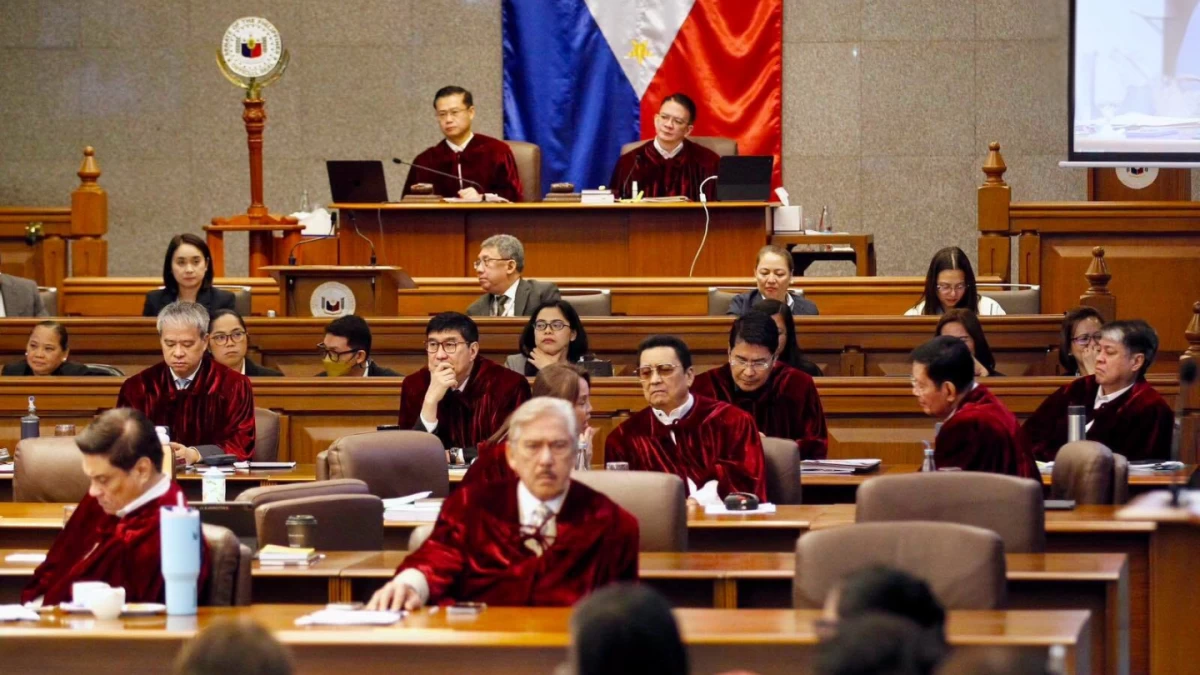
The country’s economic recovery and its currency face prolonged pressure as escalating political instability from the Senate impeachment trial of Vice President Sara Duterte risks stalling economic reforms, according to Dutch financial giant ING. Deepali Bhargava, ING’s regional head of...