The Philippines recorded the second-largest increase in 10-year government bond yields among selected Asia-Pacific economies since the war in the Middle East began, raising the government’s borrowing costs at a time when the Marcos Jr. administration is relying heavily on domestic debt to finance...
The Philippine economy faces an uphill battle in the second half of 2026 after posting its weakest post-pandemic growth, with private sector economists warning that faster infrastructure spending, easing inflation, and stronger investor confidence will determine whether the country can meet the...
The net income of Social Security System (SSS), the state-run pension fund for private-sector workers, fell by 28 percent to ₱48 billion in the first half of 2026 as expenses, especially benefit payouts to pensioners, continued to rise faster than its income. SSS’ latest condensed statement of...
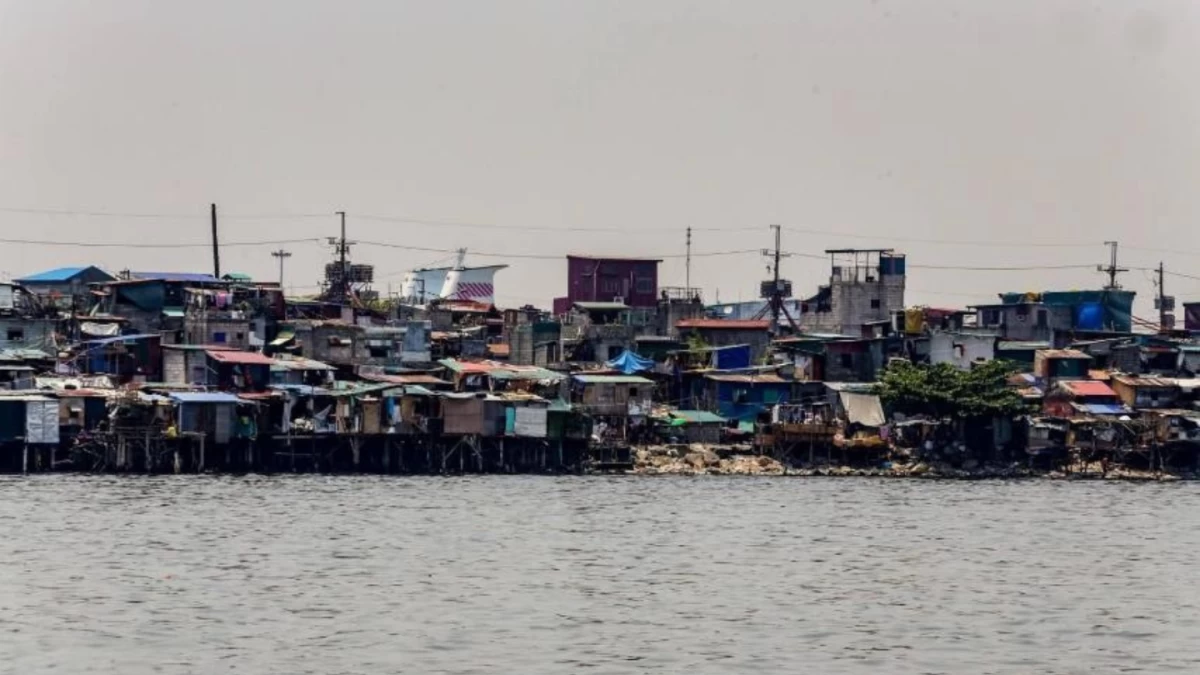
The war in the Middle East could push as many as 86,000 more people living in Philippine urban areas into poverty as higher fuel, food, as well as transport costs strain household budgets, according to the United Nations Economic and Social Commission for Asia and the Pacific (UNESCAP). In its...
A “triple threat” of crude oil prices topping $80 per barrel, Metro Manila’s ₱85 daily wage hike, and severe El Niño conditions could push third-quarter Philippine inflation back to levels seen during the height of the Middle East crisis and prompt the Bangko Sentral ng Pilipinas (BSP) to...
The ongoing war in the Middle East continues to “ substantially ” weigh on the Philippine tourism industry, although strong domestic tourism has helped cushion the impact, according to the Department of Tourism (DOT). Speaking during the 117th Asian Impact Webinar organized by the...
The Philippines is among the economies hardest hit by the prolonged Middle East conflict, but it could emerge as a beneficiary once the Strait of Hormuz reopens and global oil shipments normalize, according to think tank Oxford Economics. In a July 22 report, Oxford Economics senior emerging market...
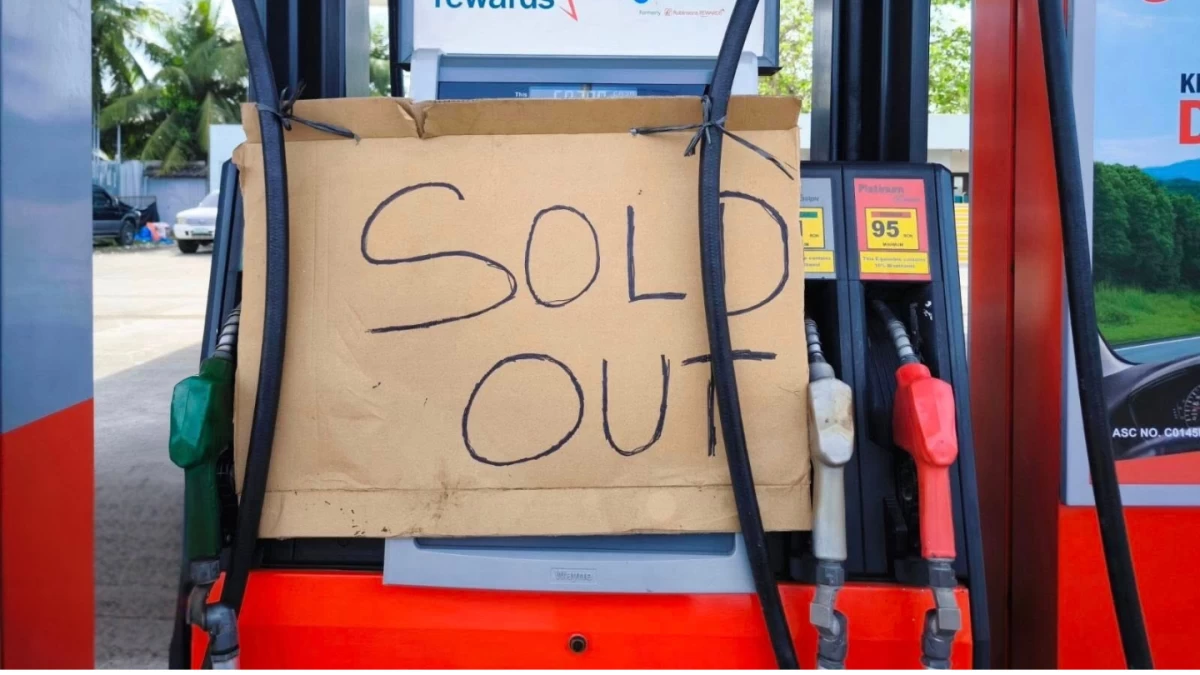
A ₱5,000 cash relief assistance (CRA) distributed by the government to help drivers cope with the fuel price shock has largely succeeded in keeping transport workers on the road, but almost two-thirds of beneficiaries said the amount was insufficient to cover their operating costs, according to...
The Philippines stands as one of the countries most vulnerable to fuel shortages amid reports of Houthi threats to close the Bab el-Mandeb Strait, according to think tank Capital Economics. “The reliance of several Asian economies, especially Pakistan, the Philippines and Japan, on oil exports...
The Asian Development Bank (ADB) has revamped its crisis response toolkit to help developing Asia-Pacific economies respond more quickly to energy supply disruptions and food price shocks stemming from the ongoing Middle East conflict, while strengthening resilience against future crises. In a...
Inflation, or year-on-year consumer price increases, slowed slightly to 6.4 percent in June as gas prices eased, even as the headline rate continued to be much higher compared with year-ago levels. National Statistician Claire Dennis S. Mapa noted during a press briefing on Tuesday, July 7, that...
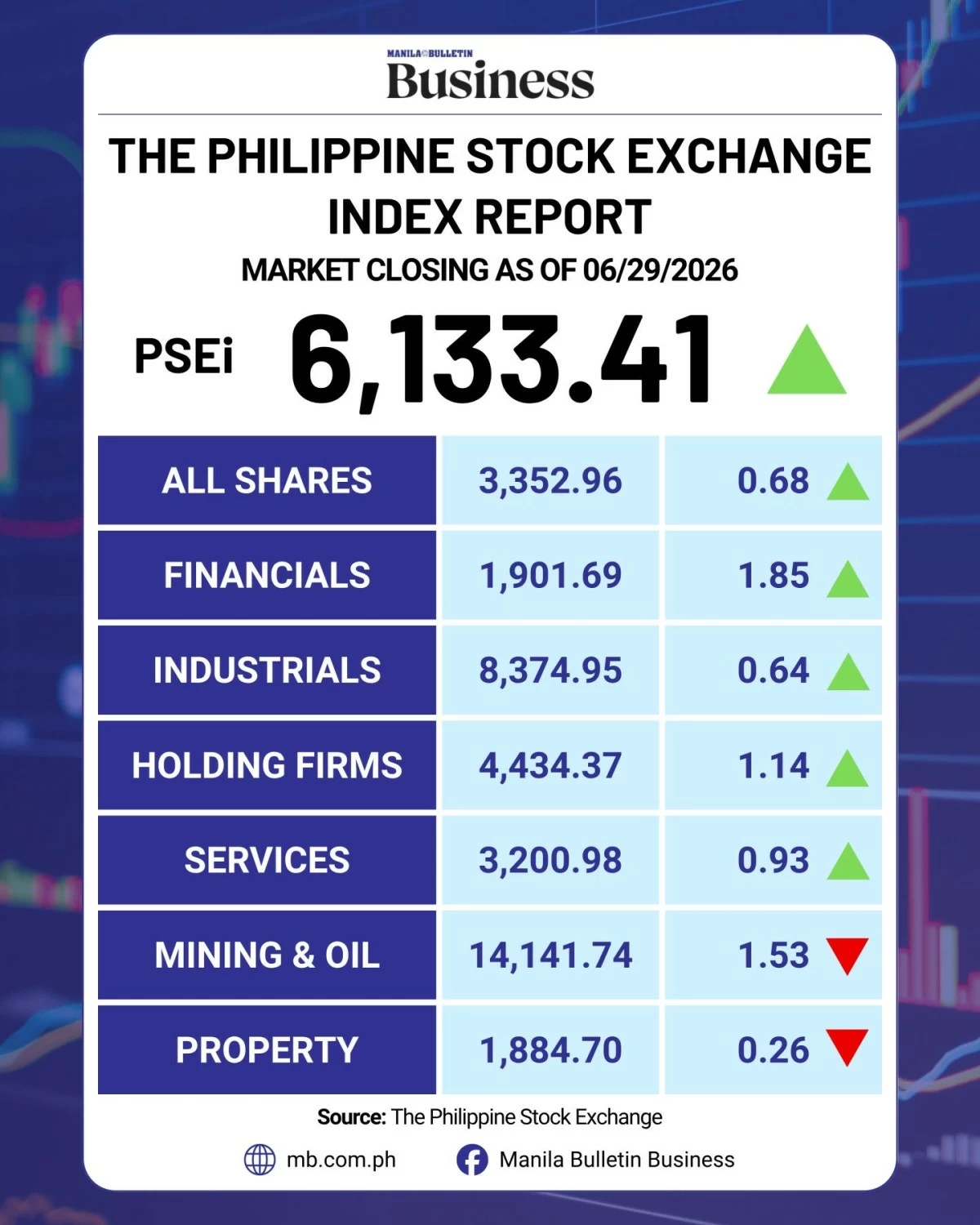
Continuing its recovery from last week’s sell-off, the Philippine Stock Exchange index (PSEi) rose for a third straight trading day on Monday, June 29, as easing concerns over the Middle East conflict and a stronger peso lifted investor sentiment. The main index gained 61.17 points, or 1.01...