Climbing to upper-middle-income-country (UMIC) status comes with a trade-off: the Philippines faces a looming decline in access to concessional official development assistance (ODA), or low-interest loans extended by the country’s multilateral and bilateral development partners. However, for...
Malacañang has welcomed the Philippines ' official graduation to upper-middle-income country (UMIC) status, saying the milestone signals stronger economic fundamentals and could translate into more jobs and better opportunities for Filipinos. In a statement on Thursday, July 2, Executive...
The Philippines has finally moved up to upper-middle-income status, breaking out of a lower-middle-income classification it held for nearly 40 years. According to new data from the World Bank, the country joined the upper-middle-income bracket, which requires a gross national income (GNI) per...
The Philippines achieved its long-standing goal of attaining upper-middle-income-country (UMIC) status with a record-high gross national income (GNI) per capita in 2025, even as neighboring Vietnam made a bigger stride toward the same World Bank classification. The World Bank announced on Wednesday...
Vietnam widened its lead over the Philippines in terms of gross national income (GNI) per capita as the Southeast Asian neighbors both aspire to attain the World Bank’s upper-middle-income-country (UMIC) status. A World Bank board report dated June 18 and disclosed last Monday, June 29, showed...
The Philippines scored below the regional average in the World Bank’s latest Human Capital Index Plus (HCI+), underscoring persistent gaps in health, education, and employment outcomes despite outperforming the average for lower-middle-income countries (LMICs). In an April 2026 human capital...
The Marcos administration’s decision to limit consumer subsidies shields the government budget from global price shocks but threatens to choke off private consumption and derail domestic demand, according to global debt watcher Moody’s Ratings. In its latest Asia-Pacific (APAC) report published...
The national government’s (NG) usual April budget surplus shrank by more than half this year after the annual income tax returns (AITRs) filing and payment deadline was extended by one month due to the national energy emergency, although revenues were partly supported by millions of pesos in...
Electricity subsidies remain necessary to help vulnerable households and remote communities access power, but the Philippine government needs to improve targeting mechanisms to reduce leakages and ensure long-term sustainability, according to experts at a recent webinar organized by state-run...
The Bureau of Internal Revenue (BIR) issued a final call to taxpayers to settle their obligations on Friday, May 15, the end of the one-month extension for the 2025 tax year. In a statement, BIR Commissioner Charlito Martin R. Mendoza urged the public to utilize electronic channels to complete...
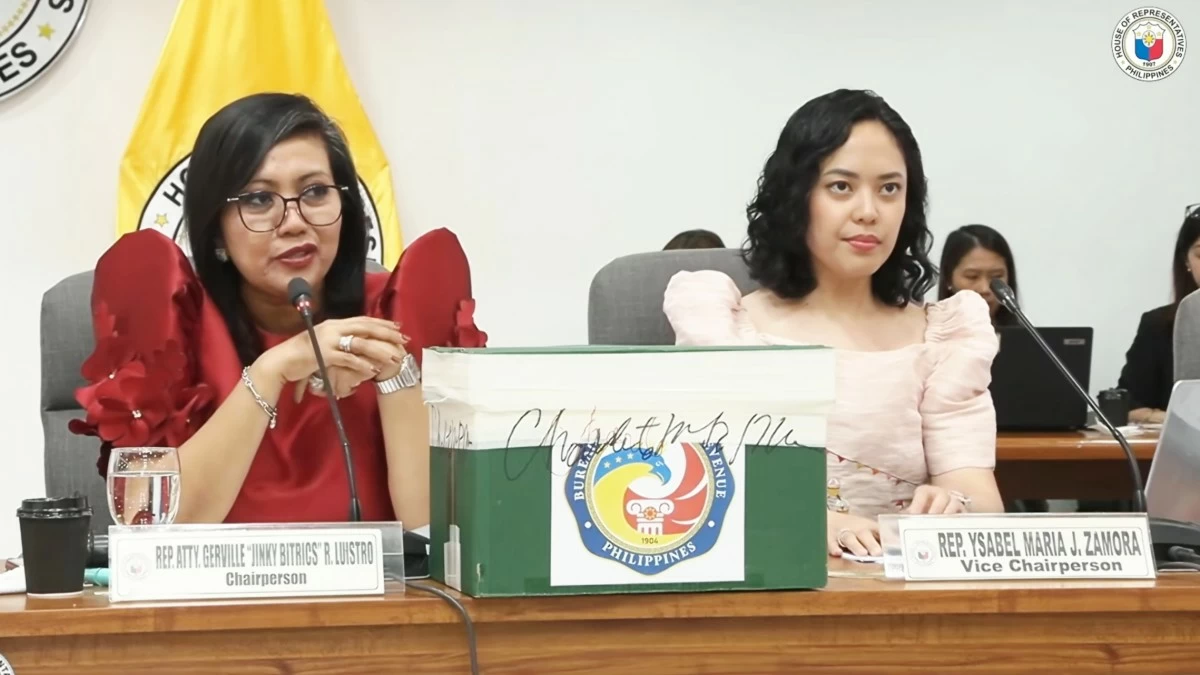
In one of the more contentious side topics of Vice President Sara Duterte’s impeachment hearings, the House Committee on Justice voted on Wednesday, April 29 not to open the sealed box of tax records submitted by the Bureau of Internal Revenue (BIR) containing the income tax returns of Vice...
Developing economies including the Philippines are pressing the World Bank Group (WBG) to help reduce borrowing costs as the economic fallout from the Middle East conflict drives up oil prices, disrupts supply chains, and threatens growth and food security. In an April 16 statement delivered before...