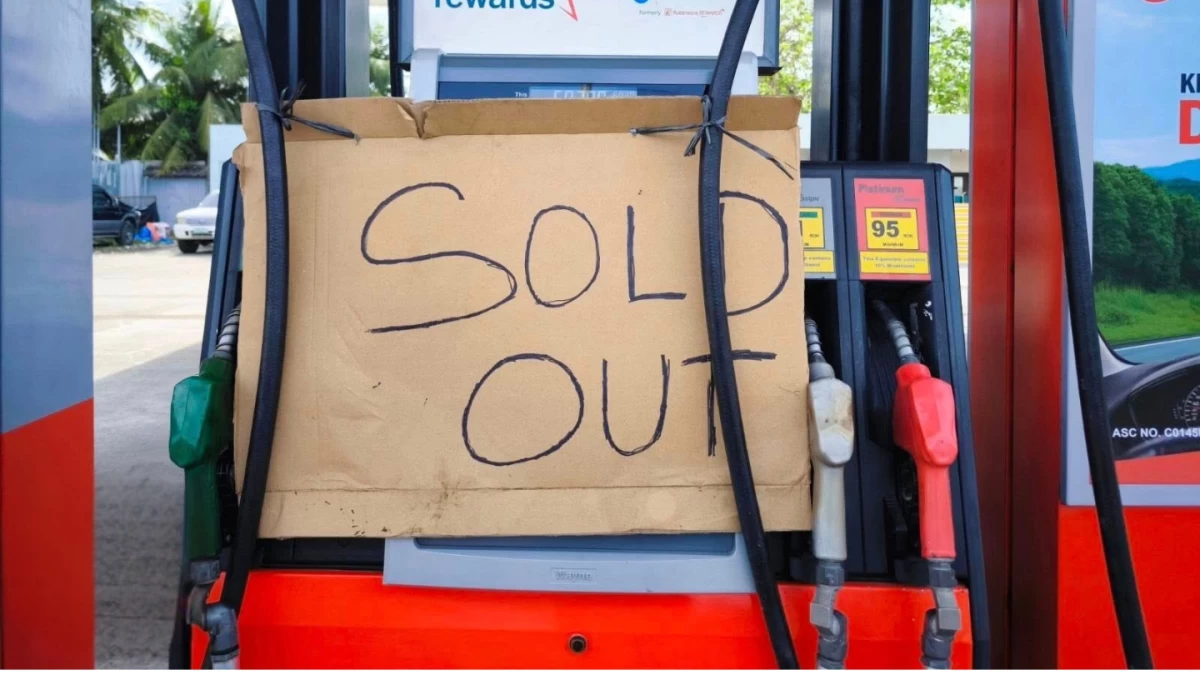
The most ridiculous political plot twist to hit the headlines last week was the filing of bills by several lawmakers seeking to delay the Sangguniang Kabataan (SK) and Barangay elections yet again to either 2027 or 2028. Their most inventive excuse so far? The lingering “energy emergency”...
The country’s power supply mess is getting uglier by the day, particularly in the Visayas. Perhaps President Marcos’ “mahiya naman kayo” verbal fireworks now need to be directed squarely at Department of Energy (DOE) officials. While millions of distressed Filipinos endure tight supply and...
The Management Association of the Philippines (MAP) urged energy regulators to overhaul electricity billing rules and tighten caps on system losses, warning that high power tariffs continue to erode the country’s economic competitiveness and deter foreign investments. In a set of recommendations...
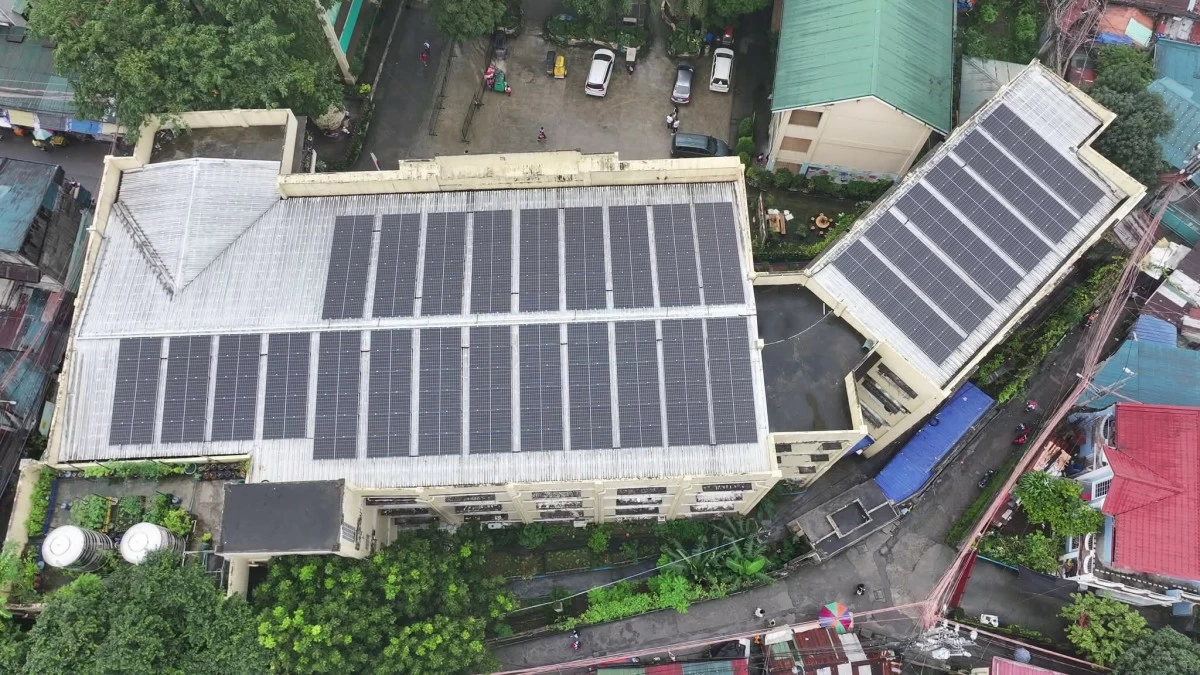
The government has eliminated administrative and regulatory bottlenecks for households and businesses installing small-scale solar panels for self-consumption to accelerate clean energy adoption and lower electricity costs. Under Department Circular No. DC2026-08-0017, signed by Energy Secretary...
Consumers and lawmakers cheered the SONA pledge to scrap system loss charges as if Christmas had come early with a gift-wrapped power discount. But electricity has a wicked sense of humor: erase the line item today, and the cost may quietly return tomorrow wearing a different name. After all, no...
Angry at your electricity bill? Good. That’s the first spark of consumer revolt. If the “power of choice” remains stuck in regulatory traffic, consumers need to unlock their own options: solar on their rooftops or collective purchasing via the Retail Aggregation Program (RAP) to knock down...
SOUTH COTABATO — Renewable energy developer Apolaki Seven Inc. and its German parent company ib vogt GmbH have energized the first phase of Mindanao’s first utility-scale, ground-mounted solar power facility, marking a critical milestone in the Philippines’ push to strengthen regional energy...
A week from now, President Marcos returns to the SONA podium for what is essentially the home stretch of his term. Expect the usual familiar themes, predictable applause, and perhaps a standing ovation from the gallery. Most likely, we will also hear another replay of the greatest hit on the...
The Department of Energy (DOE) has indefinitely suspended its landmark fifth round of the Green Energy Auction Program (GEA-5), dealing a temporary setback to the Philippines’ most ambitious offshore wind energy tender to date. The DOE issued an official advisory putting all activities and...
The government restored excise taxes on liquefied petroleum gas (LPG) and kerosene after global oil prices fell below the state-mandated threshold, ending the temporary tax holiday designed to shield consumers from high energy costs. The Bureau of Internal Revenue (BIR) announced on Wednesday, July...
The Philippines remains energy insecure as its growing dependence on Middle Eastern crude oil and tightening power reserves leave the country increasingly vulnerable to global fuel supply disruptions as well as power supply risks, according to state-run think tank Philippine Institute for...
If you look closely enough, today’s landscape tells a rather unsettling and ironic story: hillsides and mountainous terrains are being shaved bare, while fertile farmlands are steadily turned into endless rows of solar panels—as if we can run a country entirely on sunshine and somehow expect...