







LPG, kerosene prices to rise as excise tax suspension ends
By Jun Ramirez
Published Jul 8, 2026 04:03 pm


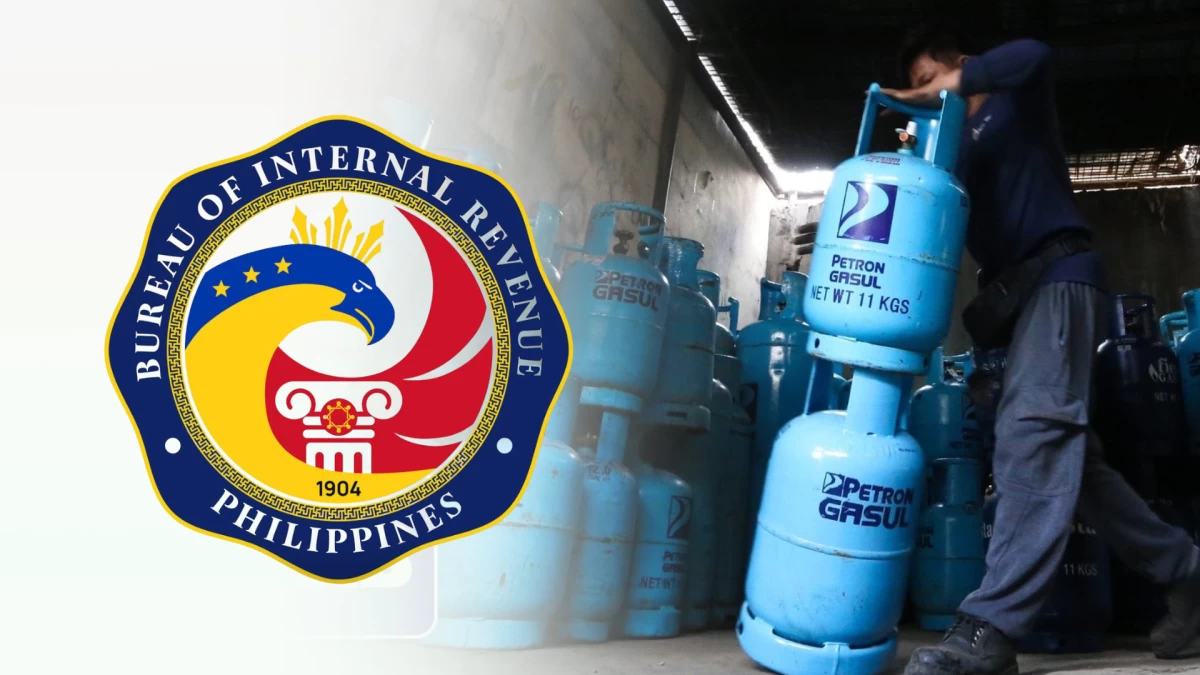
The government restored excise taxes on liquefied petroleum gas (LPG) and kerosene after global oil prices fell below the state-mandated threshold, ending the temporary tax holiday designed to shield consumers from high energy costs.
The Bureau of Internal Revenue (BIR) announced on Wednesday, July 8, that the one-month average price of Dubai crude oil dropped to $79.45 per barrel in June, slipping underneath the $80 ceiling that triggered the relief.
Consequently, the standard tax rates prescribed under the National Internal Revenue Code of 1997 automatically returned to effect on July 8, 2026, without requiring further executive intervention.
The termination concludes the reprieve for Filipino households. To recall, President Marcos implemented the tax suspension on April 16 under Executive Order No. 114 to combat surging domestic inflation.
The measure provided a discount of ₱3.36 per kilogram for cooking gas—translating to roughly ₱37.00 for a standard 11-kilogram cylinder—and slashed ₱5.60 per liter from the cost of kerosene.
The Department of Energy (DOE) certified the June price performance using the Mean of Platts Singapore benchmark, the regional pricing standard for petroleum products.
Under the provisions of the emergency tax relief, the government bound the suspension to a maximum of three months, dictating an immediate expiration if global crude averages fell below the $80 mark for a full month.
President Marcos’ economic managers earlier expressed reservations about long-term tax interventions due to heavy fiscal pressures. The Department of Finance warned that a broader fuel tax holiday could deplete state revenues by billions of pesos, money initially earmarked for infrastructure and targeted social subsidy programs.
While lawmakers initially pushed for a more comprehensive suspension that included gasoline and diesel, the Marcos administration limited the scope to household cooking and lighting fuels to preserve the state’s primary revenue streams.
With the automatic reversion, internal revenue officials directed all fuel manufacturers, bulk importers, and petroleum distributors to adjust their tax filings back to the full statutory rates.
The BIR and the Bureau of Customs will conduct physical audits of existing terminal inventories to ensure companies do not apply the previous tax-exempt status to new fuel shipments cleared after the July deadline.