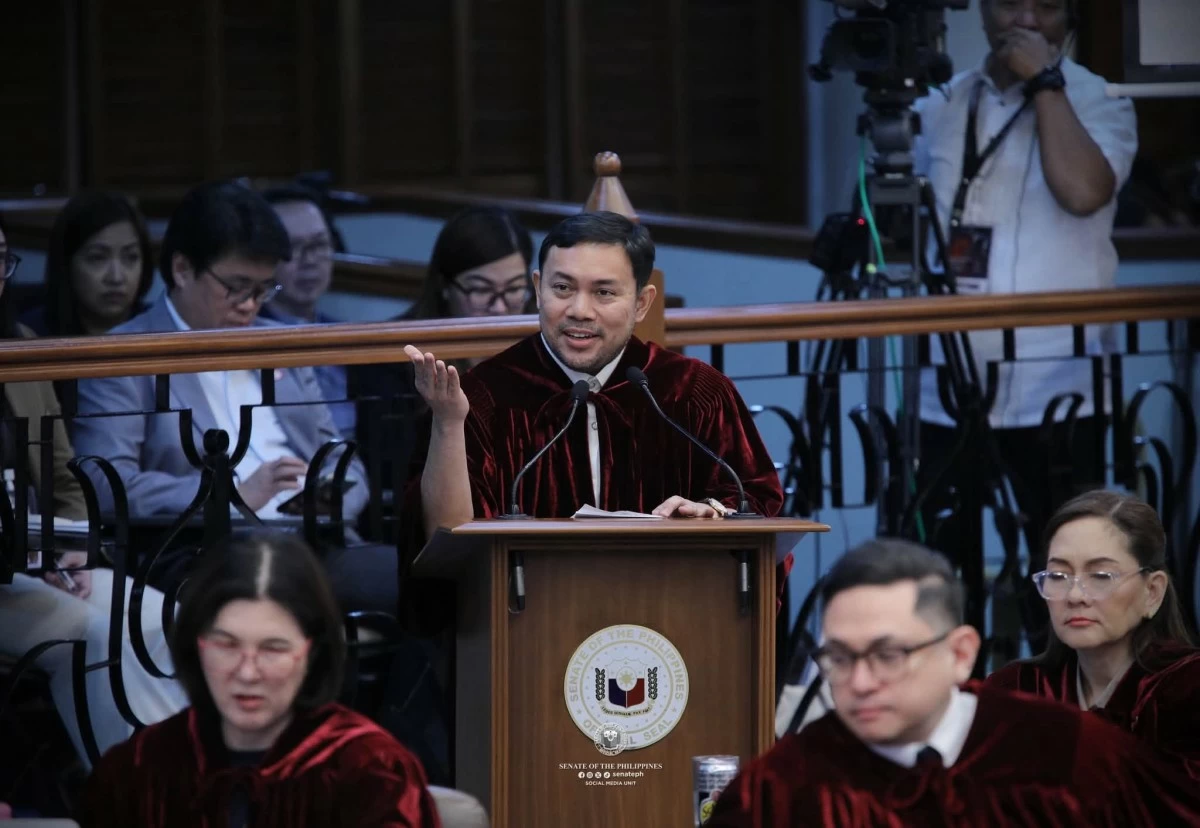
Senator Mark Villar is pushing for the immediate approval of Senate Bill (SB) No. 1870, the proposed “Travel Tax Abolition Act,” which would eliminate the travel tax charged to Filipinos traveling abroad. Villar said the decades-old fee has become an unnecessary financial burden, particularly...
House Committee of Tourism Chairman Romblon lone district Rep. Eleandro Jesus Madrona says the common Filipinos ' dream of traveling abroad is on its way to becoming more achievable. This, after Senate President Sherwin Gatchalian that the Senate would pass the proposed travel tax abolition...
Fitch Solutions’ research arm, BMI, has deemed the Philippine government’s 2027 tax collection target “ambitious,” as it relies on an estimated ₱860 billion in value-added tax (VAT) collections without introducing major tax reforms to boost revenue. In an Aug. 13 commentary, BMI noted...
Only the gross income earned from assets attributable to a personal equity and retirement account (PERA)—not the entire account balance—will be subject to a 20-percent charge if accountholders opt to prematurely withdraw their contributions, the country’s top tax authority clarified. Amid...
Senator Mark Villar is seeking to exempt electricity system loss charges from the 12 percent Value-Added Tax (VAT), arguing that consumers should not have to pay taxes on power they did not actually use. Villar filed Senate Bill No. 2392, which proposes amending Section 109 of the National...
Despite the inclement weather and most of House employees working from home, the House Committee on Ways and Means approved on Monday afternoon, Aug. 10 a bill raising the annual taxable income exemption ceiling to P350,000 from P250,000. On top of this, the panel, chaired by Marikina City 2nd...
TACLOBAN CITY — Southern Leyte second district Rep. Christophershon Yap has filed a bill increasing the tax exemption on taxable income to P500,000. House Bill 10505 aims to amend the National Internal Revenue Code of 1997, as amended, by imposing a zero percent tax rate for individual...
South Korean actor Yoo Yeon-seok has lost his appeal against a three billion won (about $2.1 million) tax assessment after the country 's Tax Tribunal upheld the government 's decision. The ruling follows a dispute over taxes imposed by South Korea 's National Tax Service (NTS) in...
President Marcos wants the proposed tax reform package passed within the year, Malacañang said. In a Palace briefing, Palace Press Officer and Communications Undersecretary Claire Castro said the President wants the measure enacted sooner, stressing that the measures are intended to provide tax...
Navotas City lone district Rep. Tobias "Toby" Tiangco has joined the legislative effort to increase the annual income tax exemption threshold from ₱250,000 to ₱350,000, which no less than President Marcos sought in his latest State of the Nation Address (SONA). Tiangco filed House Bill (HB) No....
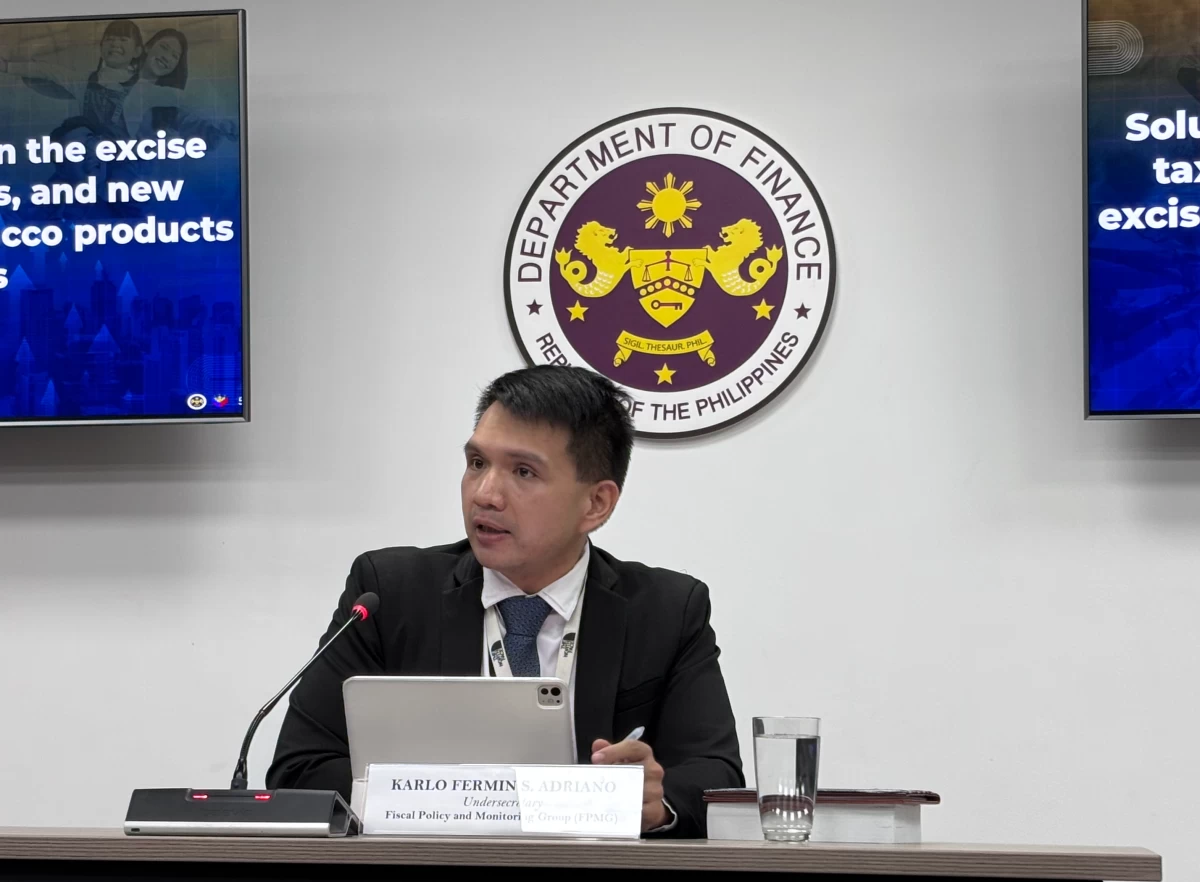
Net revenue could exceed ₱190 billion over four years if the Philippines implements a package bill that combines the revenue-eroding income tax exemptions with the revenue-offsetting measures proposed this year. Department of Finance (DOF) Undersecretary Karlo Fermin S. Adriano said the agency...
Senator Mark Villar has filed a measure seeking to exempt micro, small and medium enterprises (MSMEs) from the Minimum Corporate Income Tax (MCIT) saying it is imperative to provide them much-needed tax relief as they serve as the key driver of the Philippine economy. Villar, in filing Senate Bill...