






 Philippines
National
Proposed abolition of travel tax long overdue, a burden to traveling Pinoys—Villanueva
Philippines
National
Proposed abolition of travel tax long overdue, a burden to traveling Pinoys—Villanueva
Proposed abolition of travel tax long overdue, a burden to traveling Pinoys—Villanueva


At A Glance
- Sen. Joel Villanueva said he is optimistic that the measure would be given the preferential attention of both houses of Congress after President Marcos included Senate Bill No. 1529 in the administration's list of priority bills at the recently concluded Legislative-Executive Development Advisory Council (LEDAC).
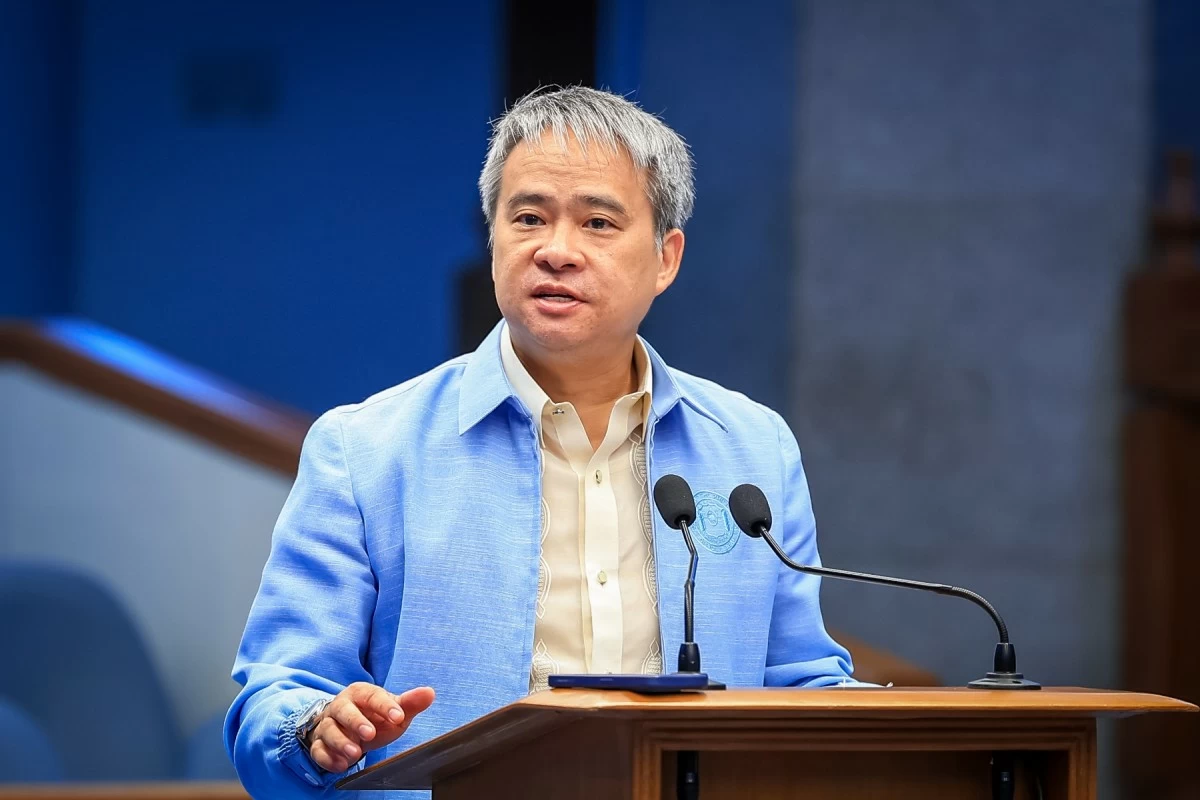
Senator Joel Villanueva on Wednesday, February 11 expressed his support to calls
that seek the abolition of the travel tax, saying the policy has long outlived its purpose and hindered the mobility based on financial capacity of Filipinos.
Villanueva said he is optimistic that the measure would be given the preferential attention of both houses of Congress after President Marcos included Senate Bill No. 1529 in the administration’s list of priority bills at the recently concluded Legislative-Executive Development Advisory Council (LEDAC).
Villanueva earlier filed SB No. 1529 which sought the removal of the travel tax on Filipinos and nationals of ASEAN member-states leaving the Philippines and traveling within the regional bloc.
“The travel tax was created at a time when international travel was a luxury and there was a need to generate additional revenues to fund tourism-related projects,” Villanueva said.
“Today, travel is a necessity for work, education, and trade, among others. We can fund tourism projects without penalizing travelers at the airport,” he said.
Over time, the senator noted that the travel tax became a regressive policy that disproportionately burdened lower- and middle-income Filipinos.
Therefore, lowering the cost of travel stimulates demand, creates jobs and expands the tax base, he said.
“Public policy must evolve with economic reality. The time is ripe for the removal of the travel tax because it is an outdated burden, and this policy shift positions our country as an open and connected economy in the region,” Villanueva stressed.
For instance, Villanueva pointed out that a family of four intending to travel would have to pay P6,480 as the current travel tax for economy class travelers is P1,620, “which is a significant amount for lower-income households.”
The amount could be better used for other necessities or reinvested in the local economy, he stressed.
“With millions of Filipinos traveling abroad every year, this fee can add significant costs to international travel, particularly for those who wish to engage in tourism, pursue educational opportunities, or visit family members overseas,” the lawmaker stressed.
Moreover, he said the Philippines, as a member-state of the ASEAN, is obligated to adhere to the ASEAN Tourism Agreement signed in 2002.
The agreement calls for the phasing out of travel levies and taxes on nationals of ASEAN member states traveling to other ASEAN nations.
“By maintaining the travel tax, the Philippines is failing to fully comply with the agreement, which aims to promote regional integration and ease of travel,” he pointed out.