The Philippine Coast Guard (PCG) said Monday, April 11, that it was monitoring a passenger roll on-roll off (ro-ro) vessel that sank due to typhoon “Agaton” off Camotes Island in Cebu as fears of a possible oil spill were raised. Commodore Armand Balilo, PCG spokesperson, said that strong wind...
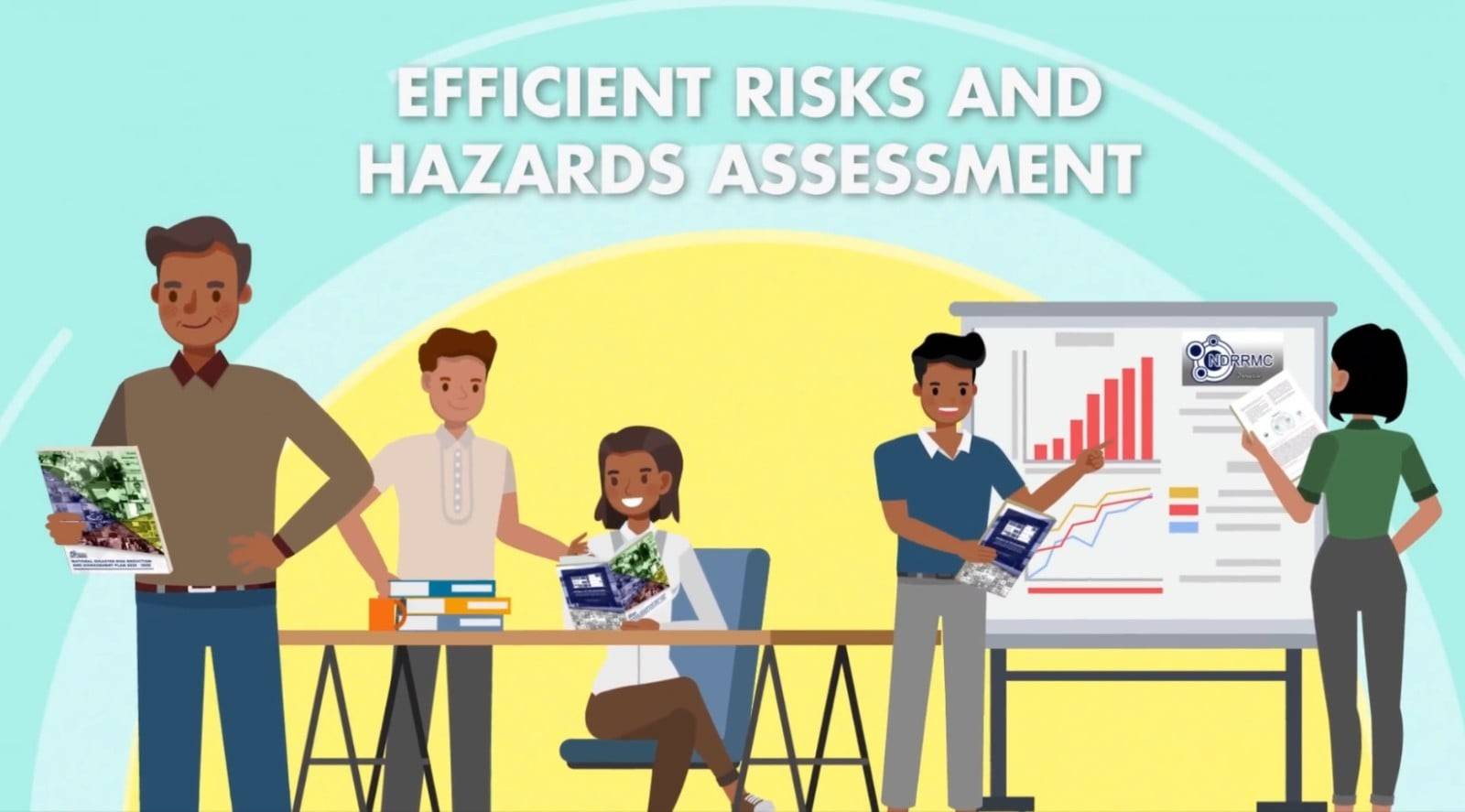
The National Disaster Risk Reduction and Management Council (NDRRMC) announced Tuesday, March 22, that it has recently assisted 144 local government units (LGUs) to upgrade their disaster plans through the integration of accurate data, hazard maps, and risk assessments. (Courtesy of NDRRMC) The...
With an average number of 25 new Covid-19 cases per day over the past week, OCTA fellow Dr. Guido David on Thursday, March 17, said that Quezon City is now “very low risk” for Covid-19. (MANILA BULLETIN FILE PHOTO) From March 10 to March 16, Quezon City’s number of new Covid-19 infections has...
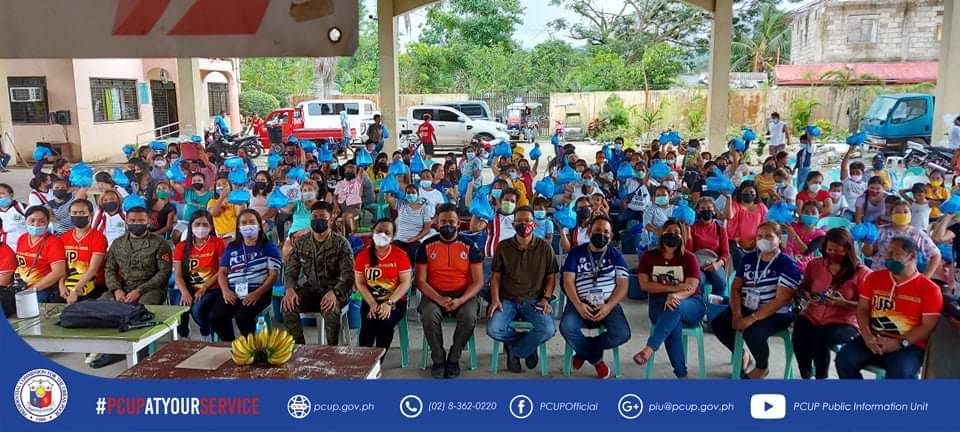
Over 300 families and beneficiaries residing in Toledo City, Cebu attended the Presidential Commission for the Urban Poor’s (PCUP) Disaster Risk Reduction Management (DRRM) seminar. (Image courtesy of PCUP) The families and beneficiaries, according to PCUP, have all been affected by the onslaught...
Molnupiravir (AFP / MANILA BULLETIN) The World Health Organization (WHO) has recommended the use of antiviral drug molnupiravir for the treatment of Covid-19 patients who are at risk of hospitalization. “WHO has updated its living guidelines on Covid-19 therapeutics to include a conditional...
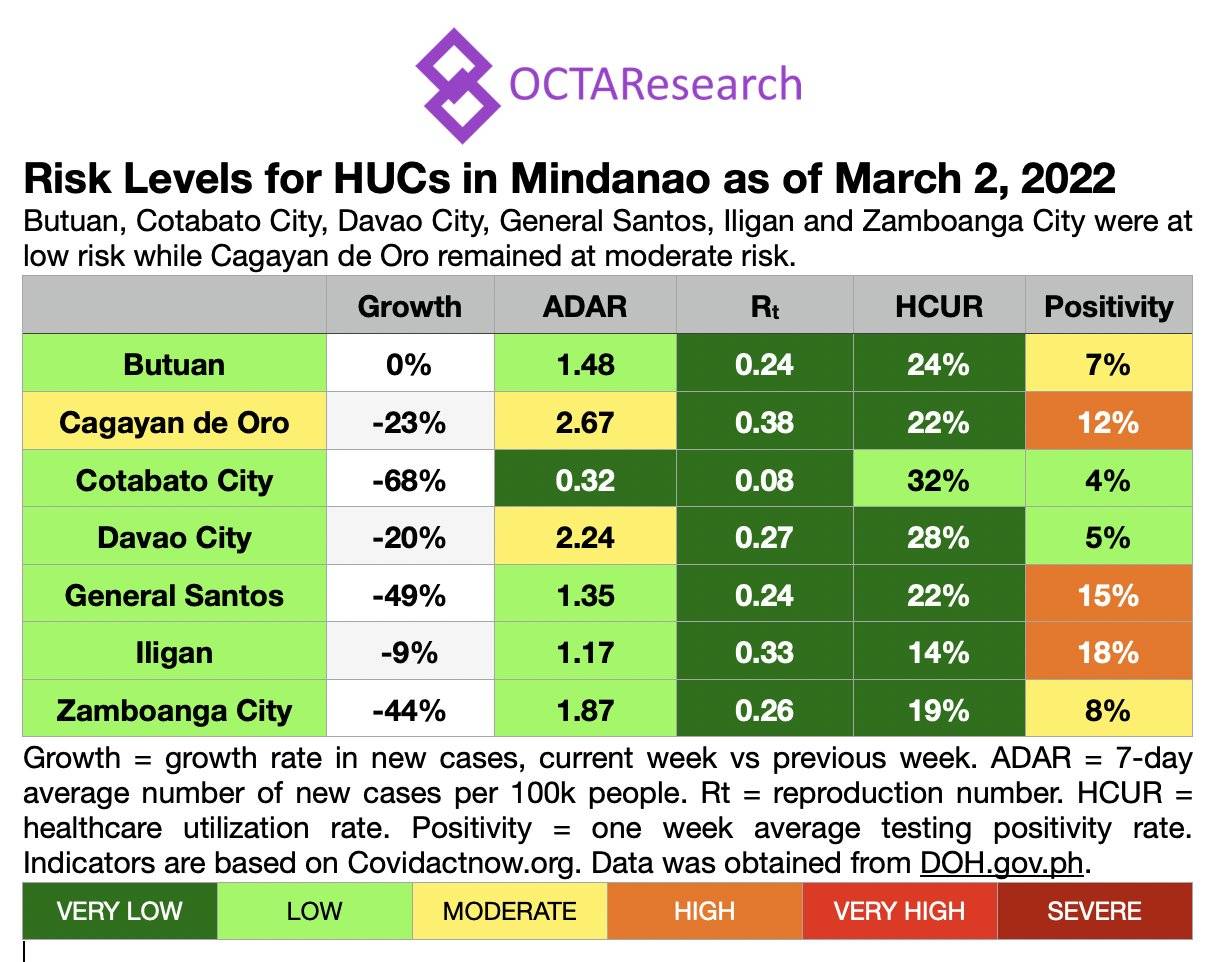
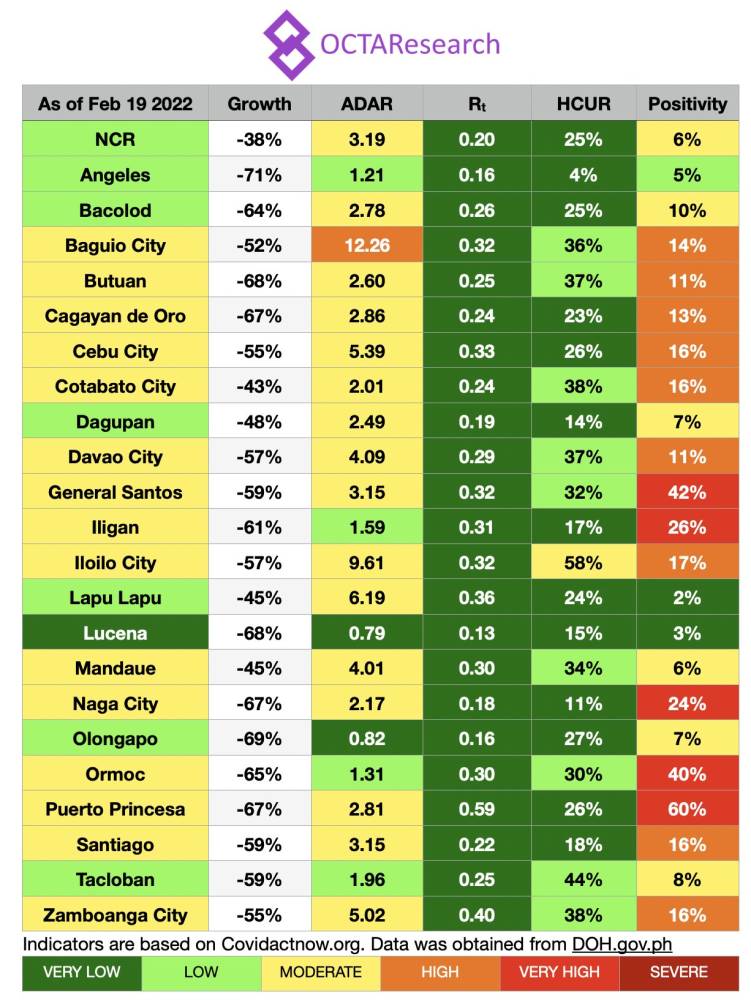
With a high positivity rate of 12 percent, Cagayan de Oro remained at moderate risk classification of coronavirus disease (COVID-19), an OCTA Research fellow said on Thursday, March 3. (Image courtesy of Dr. Guido David) “Butuan, Cotabato City, Davao City, General Santos, Iligan, and Zamboanga...
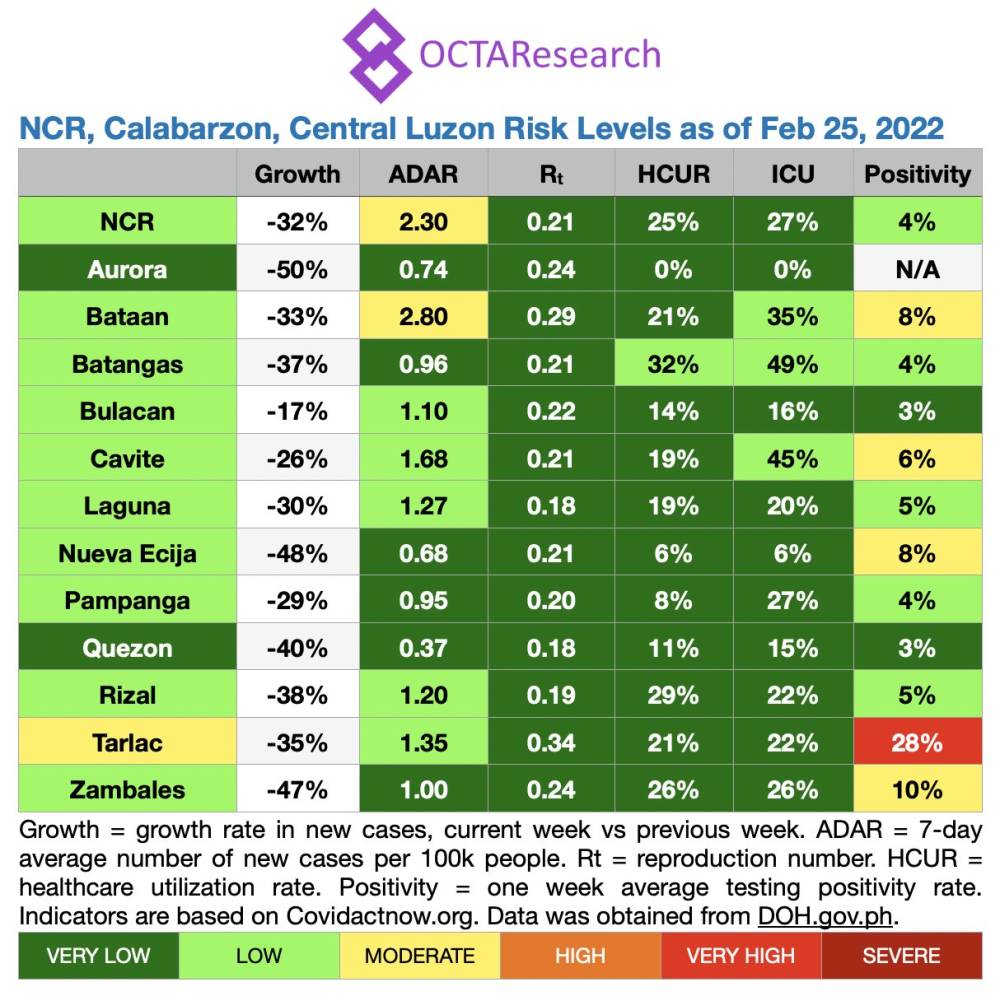
Aurora and Quezon are now classified as “very low risk” for coronavirus disease (COVID-19), an OCTA Research fellow said on Saturday, Feb. 26. OCTA Research fellow Dr. Guido David, in a tweet, said that with its improved COVID-19 indicators, Aurora and Quezon are now under the “very low risk...
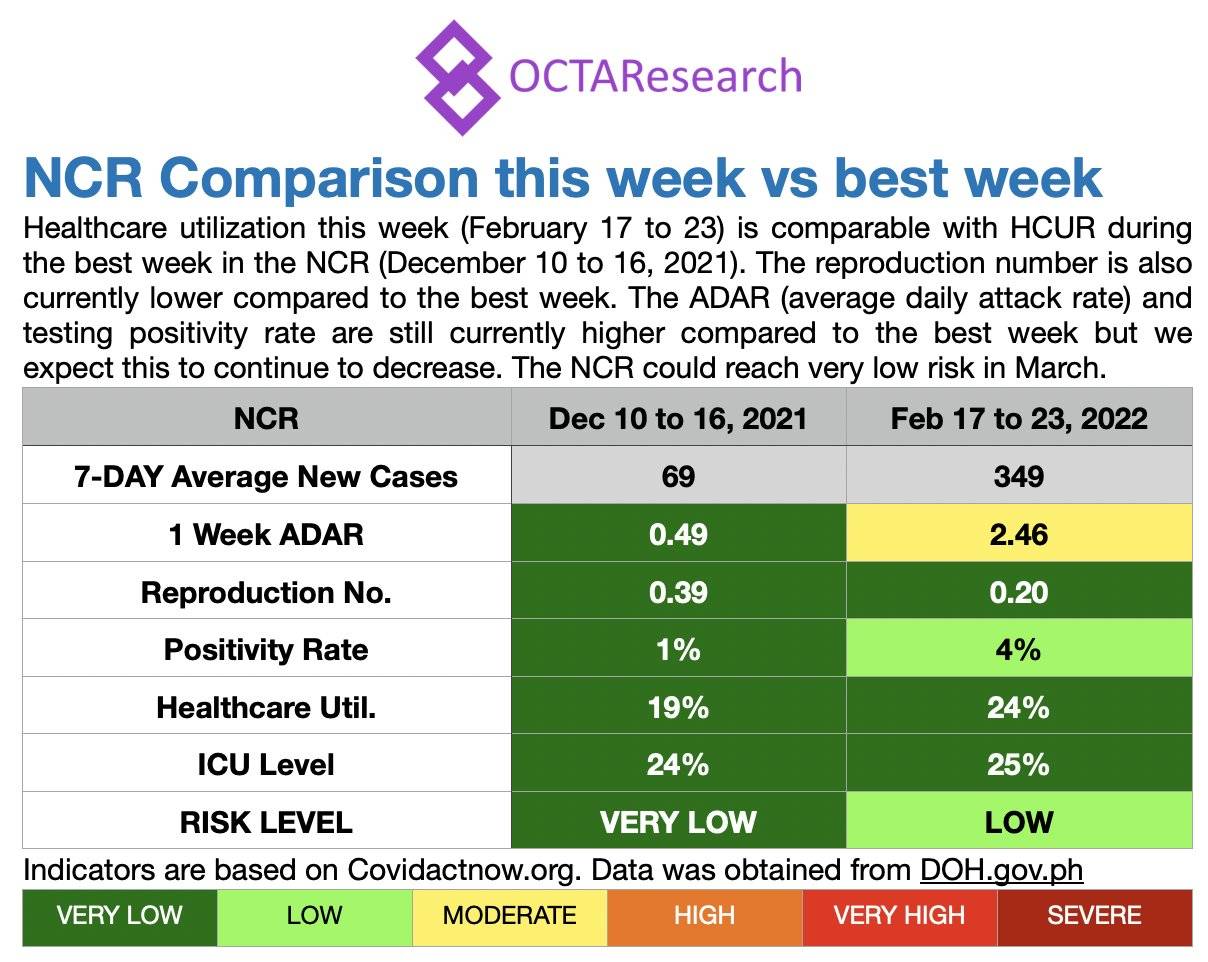
An OCTA Research fellow, on Thursday, Feb. 24, said that “no dangers are currently seen” in Metro Manila and that the number of coronavirus disease (COVID-19) indicators in the region will likely transition into “green” by next week. The color green, based on the OCTA’s legend, means that...
Lucena, one of the highly urbanized cities (HUCs) in the Philippines, is now classified under the “very low risk” classification of coronavirus disease (COVID-19), an OCTA Research fellow said on Sunday, Feb. 20. “As of Feb. 19, Lucena at very low risk. National Capital Region (NCR), Angeles,...
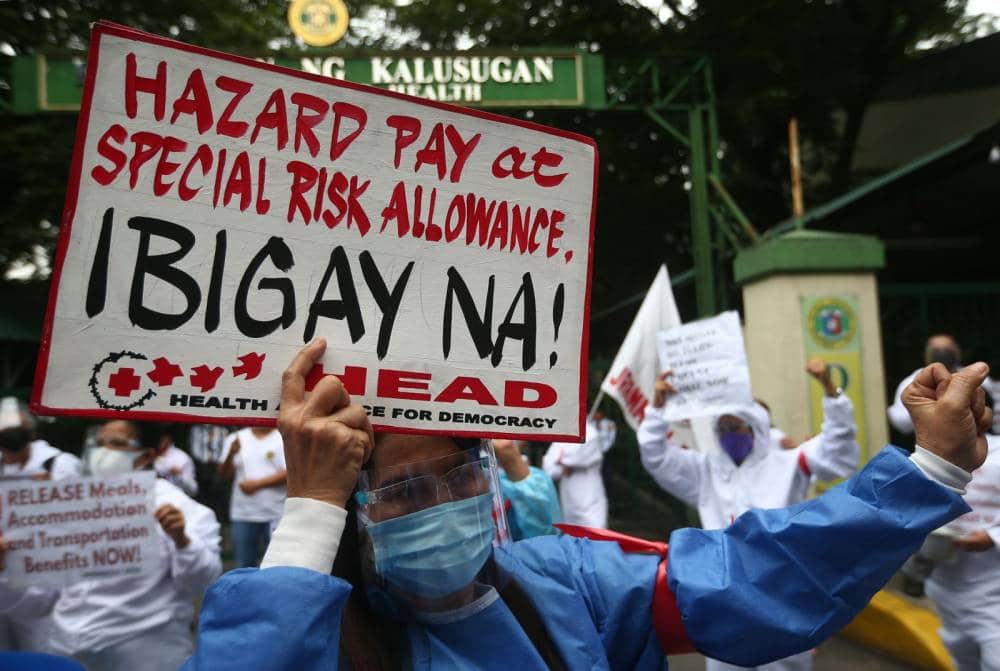
DBM releases P7.9-B for HCW allowances By Chino S. Leyco The Department of Budget and Management (DBM) has released nearly P8 billion to the new compensation system that replaced the special risk allowances given to healthcare workers (HCWs) In a statement, the DBM said on Thursday, Feb. 17, that...
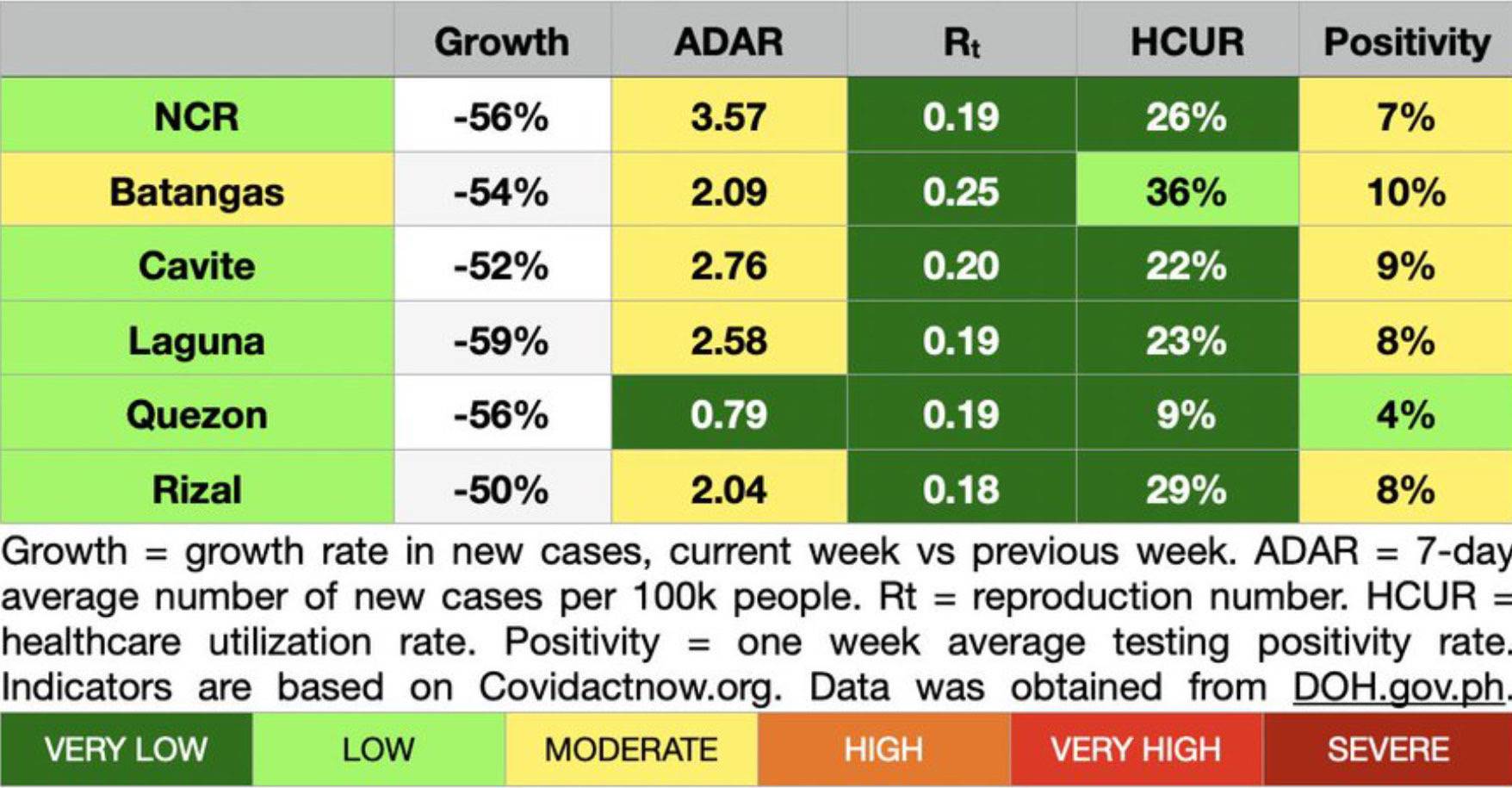
(DR. GUIDO DAVID / TWITTER) Aside from Metro Manila, Quezon, and Rizal, the provinces of Cavite and Laguna are also now classified as "low risk" for coronavirus disease (COVID-19) transmission, the OCTA Research Group said on Wednesday, Feb. 16. OCTA Research fellow Dr. Guido David said the group...
The Philippines is now back to low risk classification for COVID-19 infection after battling the Omicron-fueled surge last month, Malacañang said on Tuesday, Feb. 15. Cabinet Secretary Karlo Nograles (PCOO / MANILA BULLETIN FILE PHOTO) In his virtual presser, acting Presidential spokesman Karlo...