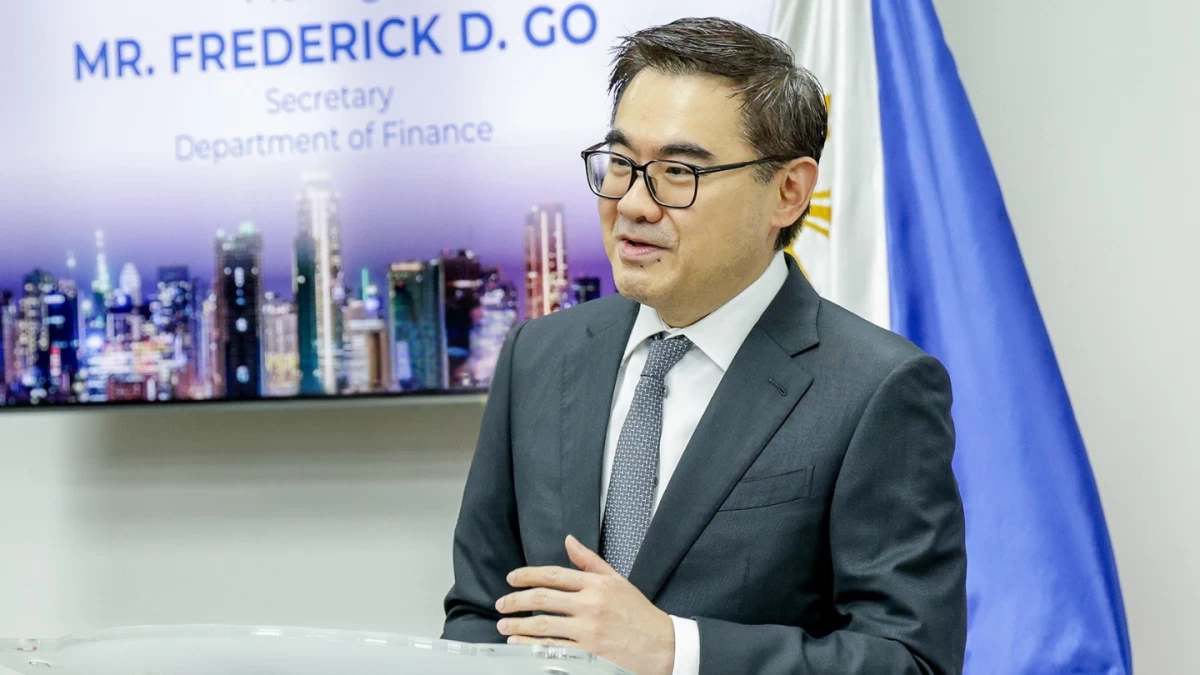
President Marcos retains ample fiscal room to expand government borrowing to support infrastructure and development programs, according to his chief economic manager, brushing off concerns over sovereign debt that has climbed to its highest level relative to economic output in more than two...
Philippine banks’ bad loan ratio further deteriorated to 3.44 percent as of end-May, marking a nine-month high as borrowers struggled to settle loans due to elevated borrowing and business costs. The latest Bangko Sentral ng Pilipinas (BSP) data showed that the banking industry’s gross...
To prevent your brain from spiraling into something else in the aftermath of the unfortunate shooting incident in a public school in Tacloban, let me be clear that the MLR here does not refer to a muzzle-loading rifle. Nope, Virginia, it does not refer to the Main Line of Resistance, either....
Philippine banks’ bad loan ratio deteriorated to 3.37 percent as of end-April 2026, marking an eight-month high, likely due to the delayed impact of elevated borrowing rates on borrowers. The latest Bangko Sentral ng Pilipinas (BSP) data showed that the banking industry’s gross non-performing...
The Philippines’ debt as a share of economic output is expected to remain elevated above 60 percent of gross domestic product (GDP) this year as the government ramps up borrowings to support its response to the national energy emergency amid the prolonged war in the Middle East. Based on the...
Global debt watcher Fitch Ratings expects Philippine banks to face increasing costs as they write off unpaid debts and prepare for future losses while navigating an increasingly uncertain geopolitical and economic environment caused by the Middle East war. This outlook comes even as the Bangko...
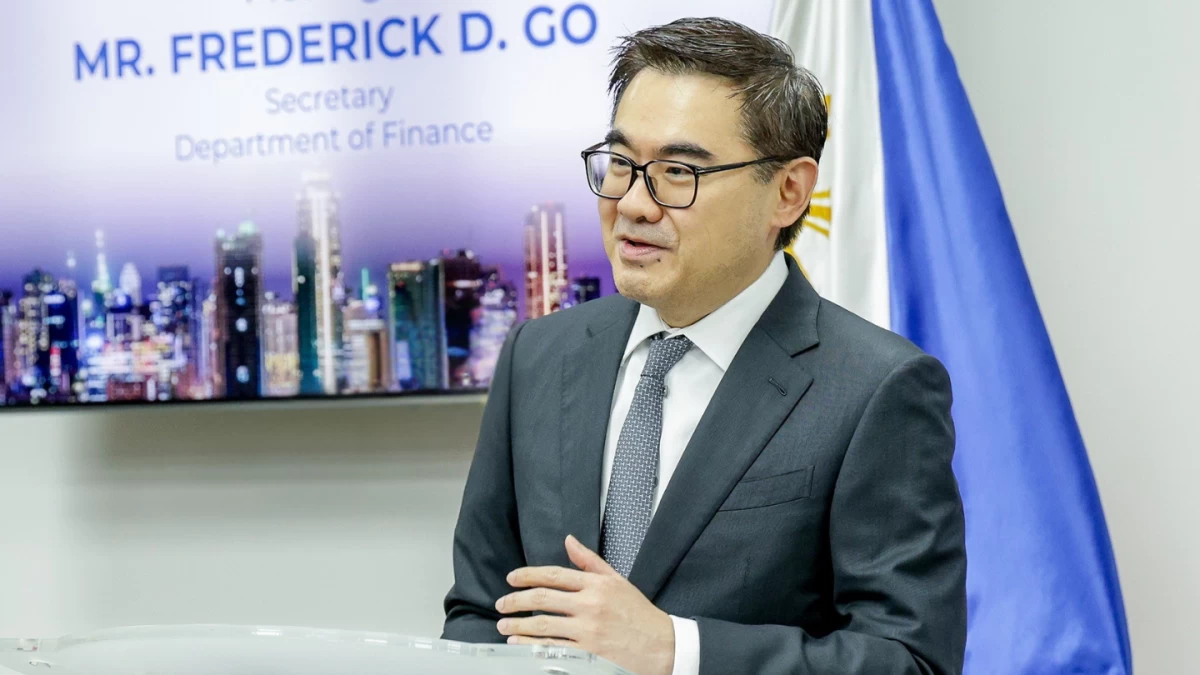
President Marcos’ chief economic manager brushed off concerns over the country’s fiscal position, assuring markets that the government remains financially stable and still has room to borrow further if needed to cushion the economy from energy shocks. This comes against the backdrop of...
Public debt in the Philippines moved closer to the 60-percent level at the end of the first quarter of 2026, as the government continued to ramp up borrowings while the private sector remained cautious amid risks stemming from the war in the Middle East. The latest Global Debt Monitor of the...
The regulatory relief recently announced by monetary authorities is essential; it stabilizes borrowers’ loan repayment schedules and prevents a sharp uptick in banks ' non-performing loans (NPLs). This regulatory respite is a necessary support mechanism that helps stabilize banks’ balance...
Pervasive corruption in the Philippines is preventing the country from realizing its full economic potential, despite President Ferdinand R. Marcos Jr. making “steady progress” on his reform agenda, according to the think tank Capital Economics. In its Asia Economic Outlook report for the...
While government debt continued to pile up, private businesses and individuals in the Philippines held back on borrowings amid conditions not too conducive to debt accumulation. The latest data from the Washington-based Institute of International Finance (IIF), released on Thursday, Sept. 25,...
Philippine banks are shoring up their loan-loss buffers as the industry’s bad loan ratio climbed to an eight-month high of 3.4 percent, due to the lingering impact of the Covid-19 pandemic and global uncertainties affecting borrowers’ ability to repay debts. According to the latest data from...