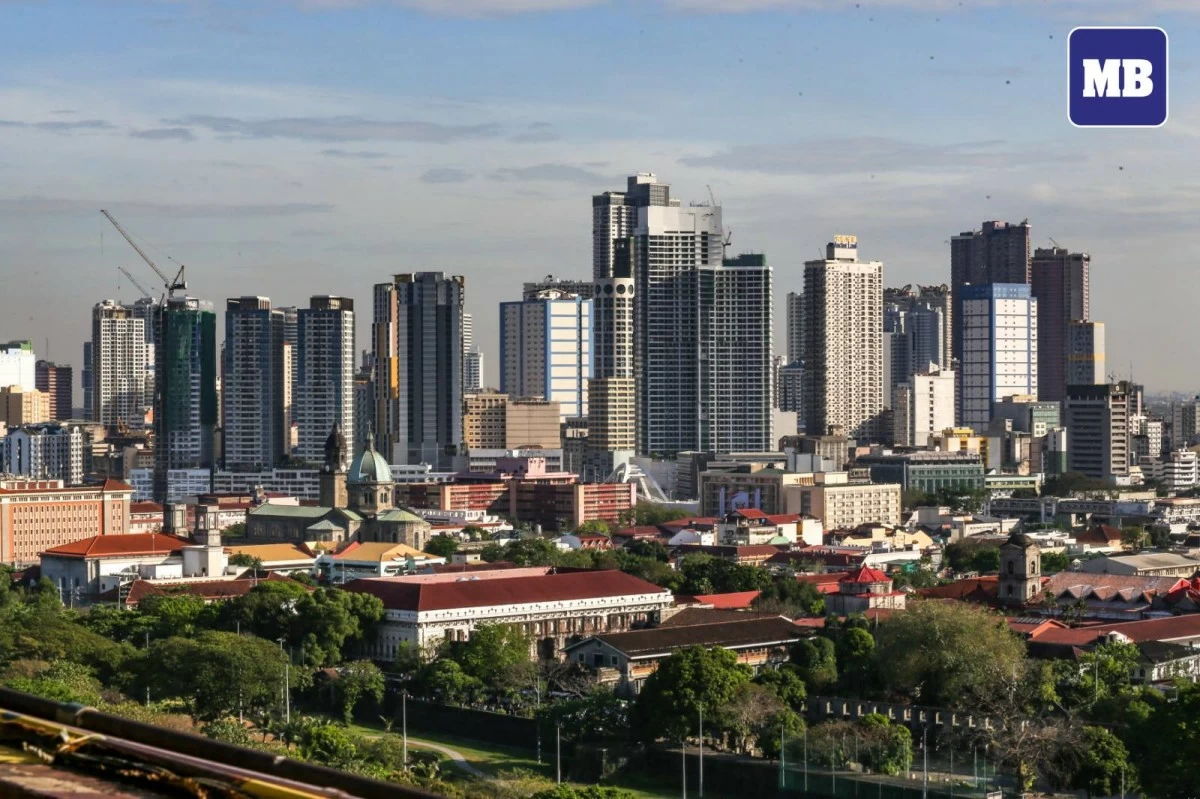
The Philippine economy faces an uphill battle in the second half of 2026 after posting its weakest post-pandemic growth, with private sector economists warning that faster infrastructure spending, easing inflation, and stronger investor confidence will determine whether the country can meet the...
Philippine economic growth likely picked up above the three-percent level in the second quarter, mainly on improved spending on public goods and services, with most private-sector economists expecting the economy to perform better than in the previous quarter despite lingering headwinds from...
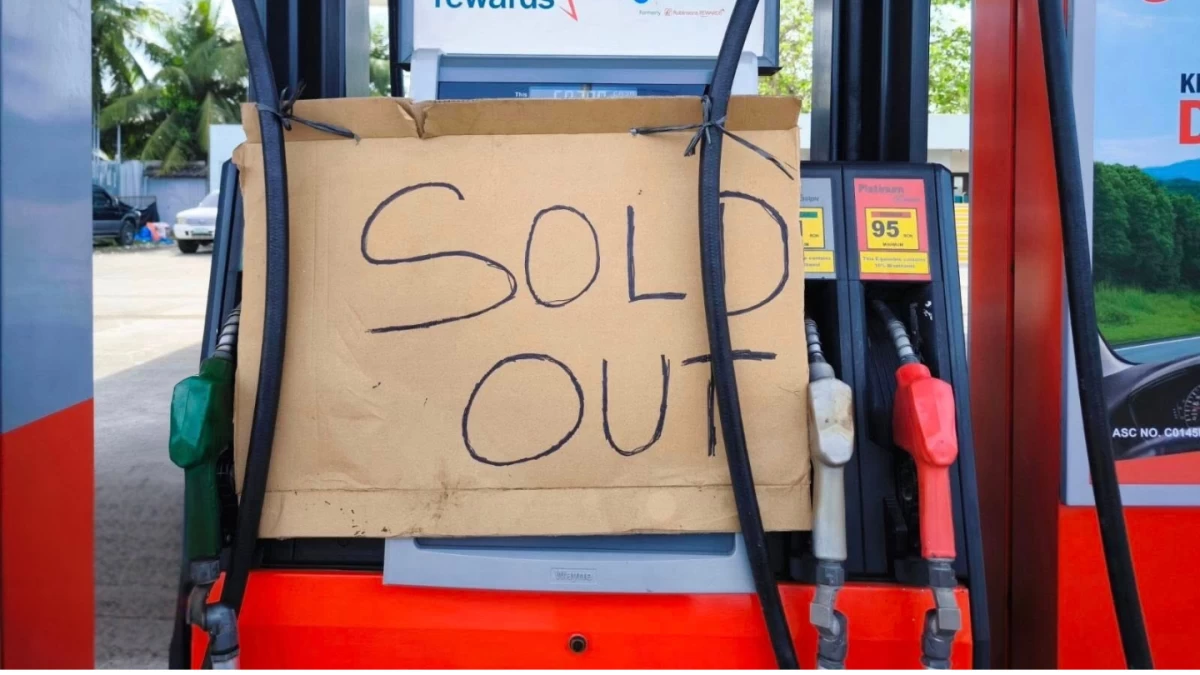
The Philippines stands as one of the countries most vulnerable to fuel shortages amid reports of Houthi threats to close the Bab el-Mandeb Strait, according to think tank Capital Economics. “The reliance of several Asian economies, especially Pakistan, the Philippines and Japan, on oil exports...
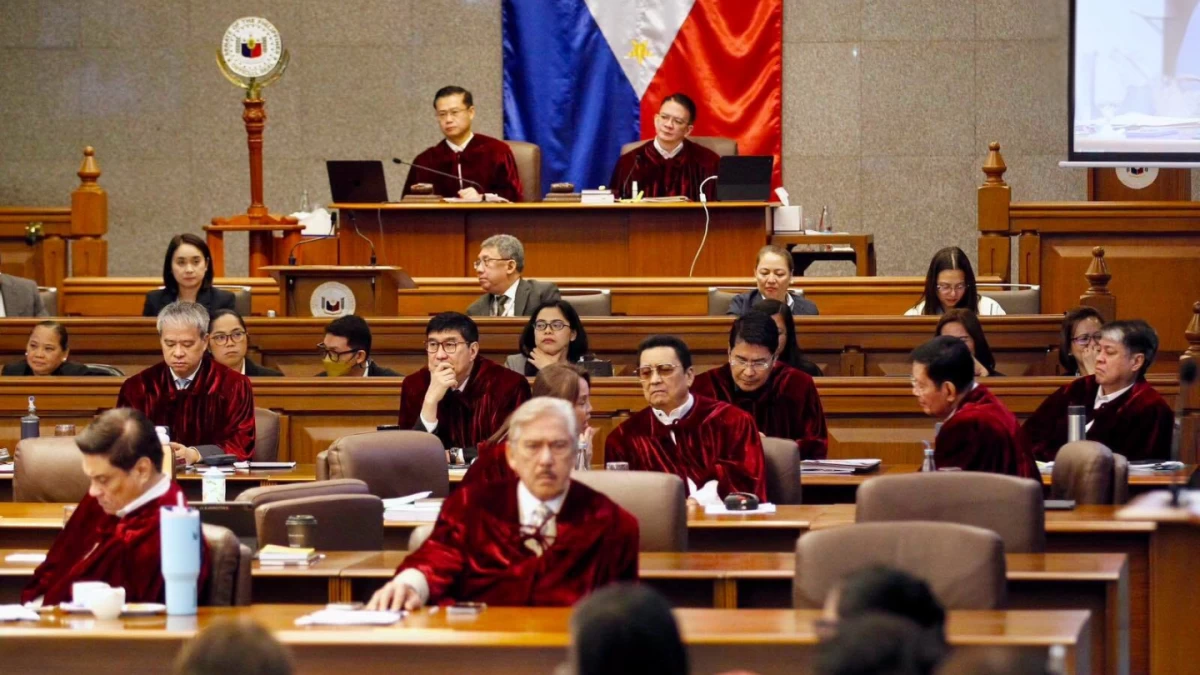
The country’s economic recovery and its currency face prolonged pressure as escalating political instability from the Senate impeachment trial of Vice President Sara Duterte risks stalling economic reforms, according to Dutch financial giant ING. Deepali Bhargava, ING’s regional head of...
American financial giant Goldman Sachs Group Inc. expects the Bangko Sentral ng Pilipinas (BSP) to raise key borrowing costs through three more 25-basis-point (bp) hikes to 5.5 percent, citing the looming inflation threat from El Niño coupled with the oil shock—a “quicker” transmission of...
Think tank Capital Economics expects the Philippine economy to grow below the government’s downgraded targets over the next three years, warning that the country’s recovery would likely remain sluggish as weak confidence, tight fiscal policy, and the lingering impact of recent shocks weigh on...
Frankfurt-based Deutsche Bank AG is expecting the Bangko Sentral ng Pilipinas (BSP) to further raise key borrowing costs twice more to reach 5.25 percent, standing firmly by its assumption that the hiking cycle is not yet over and that the looming El Niño further threatens price spikes. Deutsche...
Persistent price pressures are expected to keep the Bangko Sentral ng Pilipinas (BSP) on alert, but foreign observers are now urging a more dovish stance, including a potential year-long pause, following the central bank 's “restrained” rate hike to 4.75 percent. British banking giant...
Stubborn inflation is forcing the Bangko Sentral ng Pilipinas (BSP) to seriously consider higher borrowing costs, a move that threatens to worsen the sharp economic slowdown already hitting the country. Since the BSP delivered a quarter-point hike to 4.5 percent in April, calls for further...
Strong global demand for electronics is helping Asian manufacturers, including those in the Philippines, weather the impact of elevated energy prices caused by the prolonged war in the Middle East, although inflationary pressures remain a concern, according to think tank Capital Economics. In a...
Inflation may have surged to as high as 7.9 percent in May, driven by soaring basic commodity prices and the weakening local currency, according to the Bangko Sentral ng Pilipinas (BSP), Amid intensifying macroeconomic headwinds, global supply shocks filter into the domestic economy, the central...
Philippine economic growth is seen falling to a new post-pandemic low of three percent this year as the lingering impacts of last year’s multi-billion-peso flood-control corruption scandal and the prolonged war in the Middle East weigh on investor and business confidence, according to think tank...