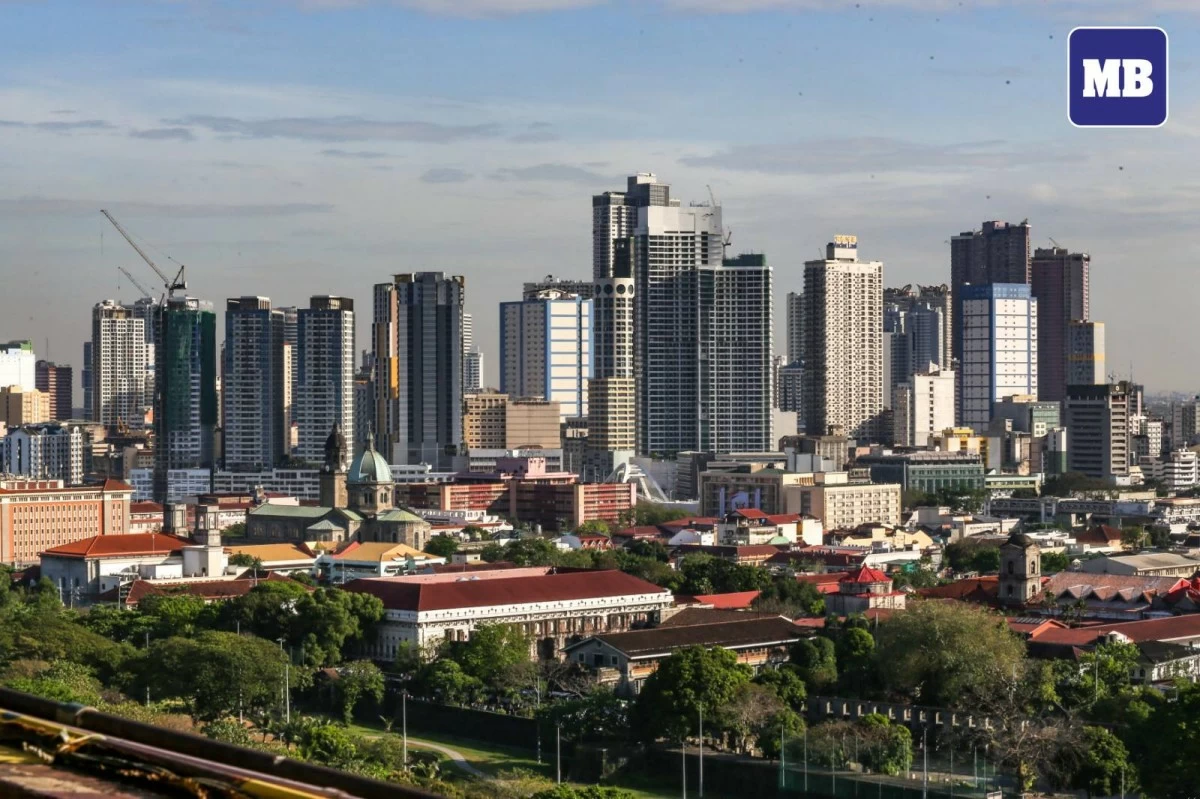
The Philippines remains far from stagflation despite high inflation and sluggish economic growth, members of the Marcos Jr. administration’s economic team said, pushing back against Monetary Board Member (MBM) Benjamin E. Diokno’s characterization of the current situation as “stagflation...
The Philippines is falling behind its neighbors—not because the region is weak, but because domestic politics has become an economic drag. While much of ASEAN continues to post respectable numbers, the Philippines has slowed sharply. Its 2.3 percent growth in the second quarter of 2026 was the...
Amid both external and domestic challenges, the Philippines’ economic growth weakened further to a new post-pandemic low of 2.3 percent in the second quarter of 2026, the Philippine Statistics Authority (PSA) reported on Friday, Aug. 7. Gross domestic product (GDP) growth slowed from 2.8 percent...
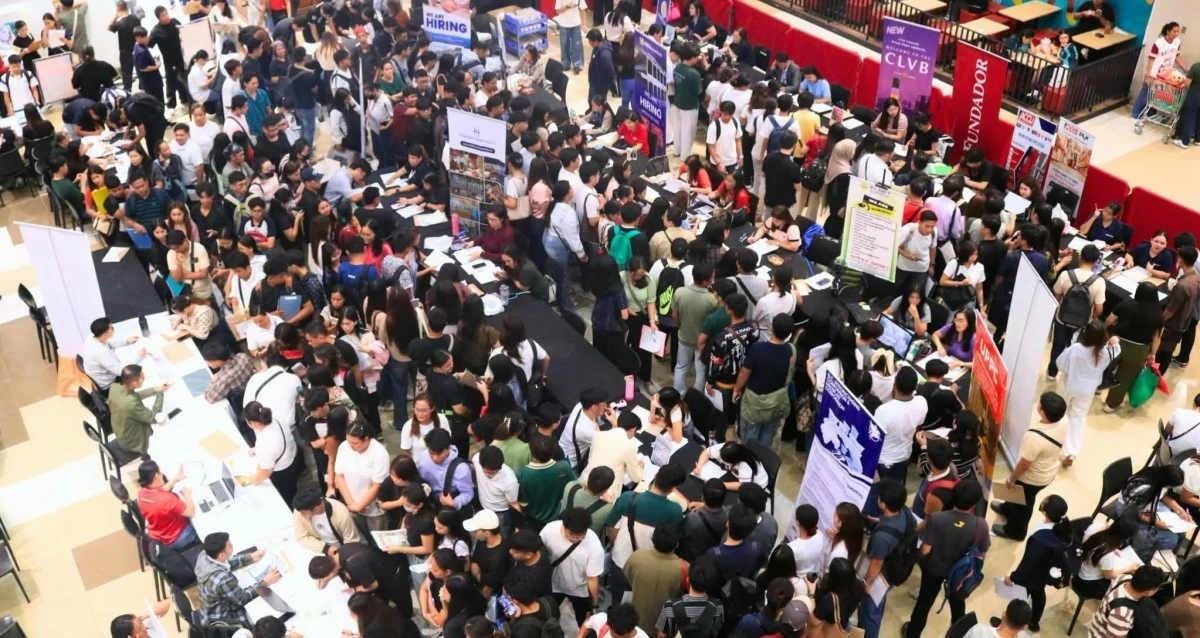
Many fresh graduates struggled to find jobs in June as the country’s unemployment rate worsened from both a month and a year ago, with the labor market unable to absorb a surge in new entrants despite continued job creation. The Philippine Statistics Authority’s (PSA) latest labor force survey...
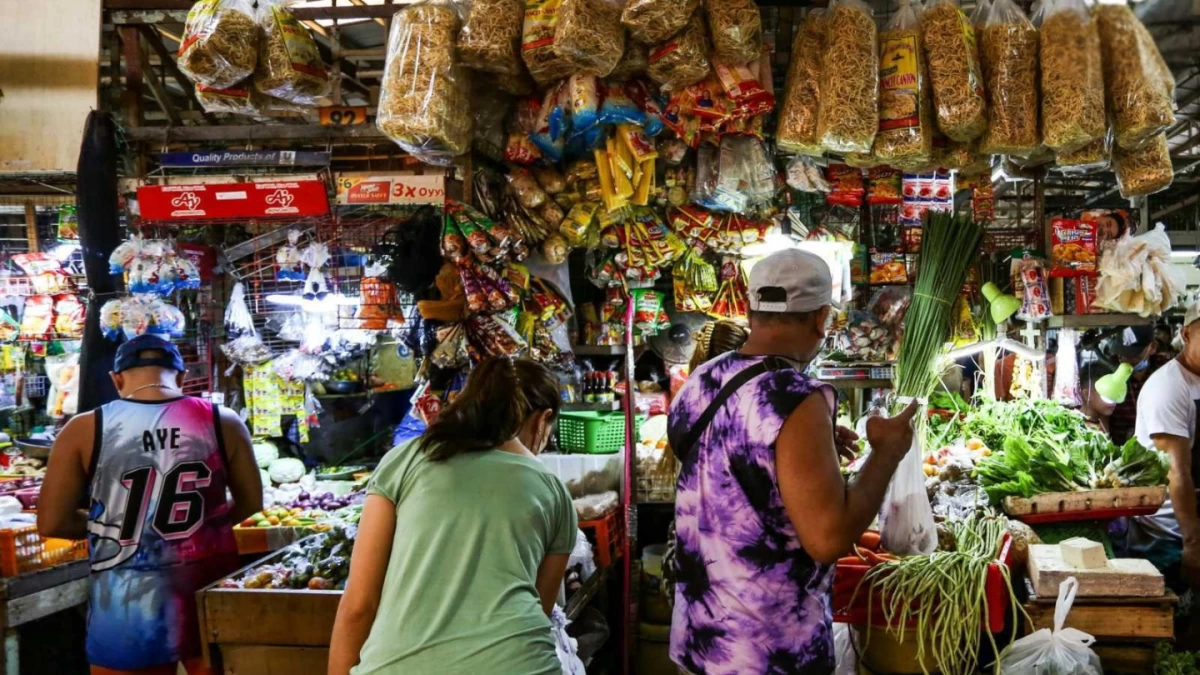
The government attributed the easing of inflation in July to lower transport costs, improving supply conditions, and sustained interventions, even as officials vowed to continue measures aimed at stabilizing food prices and shielding vulnerable households from rising living costs. The Philippine...
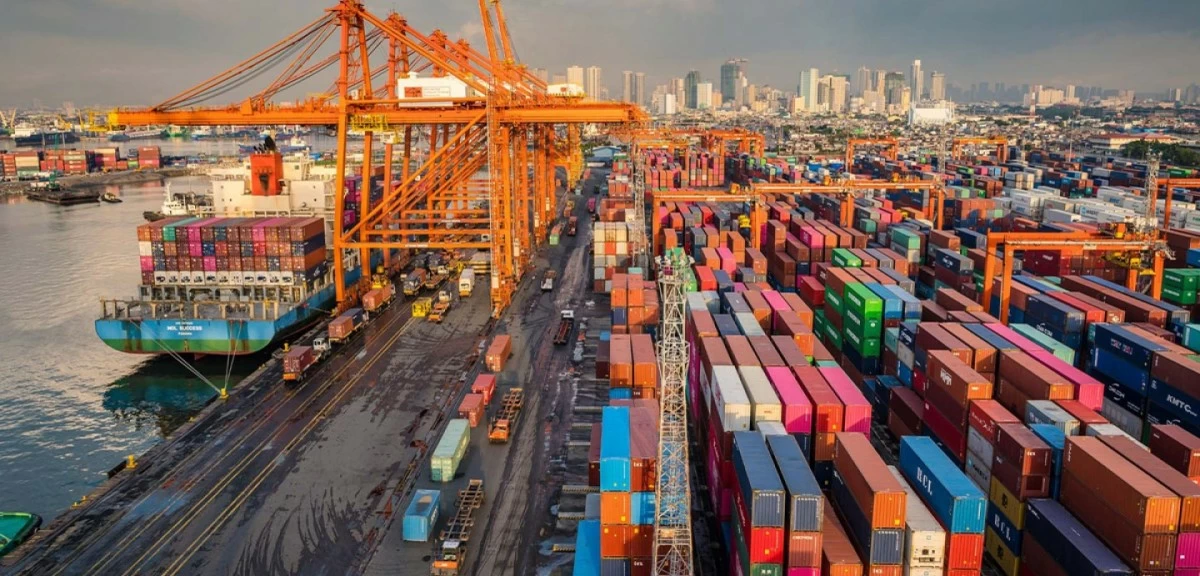
Philippine goods exports and imports both reached record highs in the first half of 2026, defying disruptions from the Middle East war and persistent threats of higher United States (US) tariffs, with outbound shipments climbing to $46.72 billion and inbound purchases totaling $77.53 billion. The...
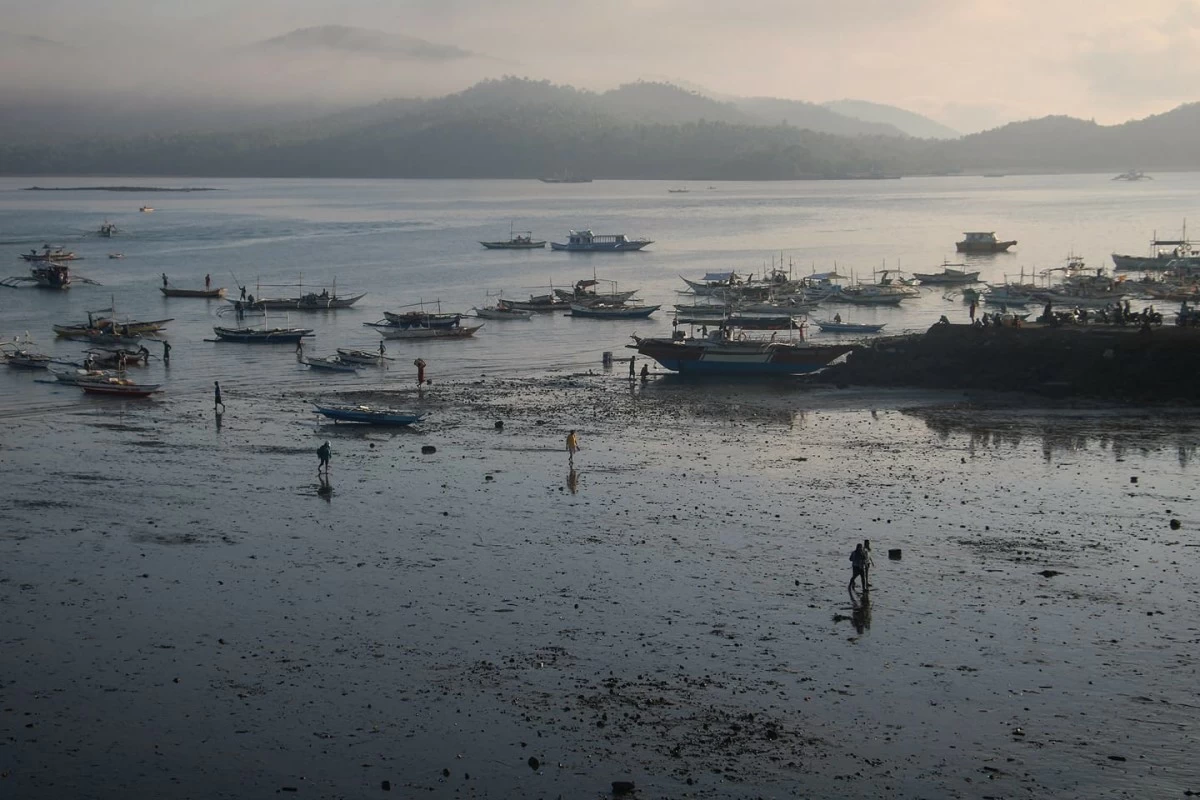
The country’s ocean economy grew to ₱1.08 trillion in 2025 from ₱1.02 trillion in 2024, despite a decline in the share of ocean-based activities in the country’s gross domestic product (GDP). The Philippine Statistics Authority (PSA) reported on Thursday, July 23, that the ocean economy...
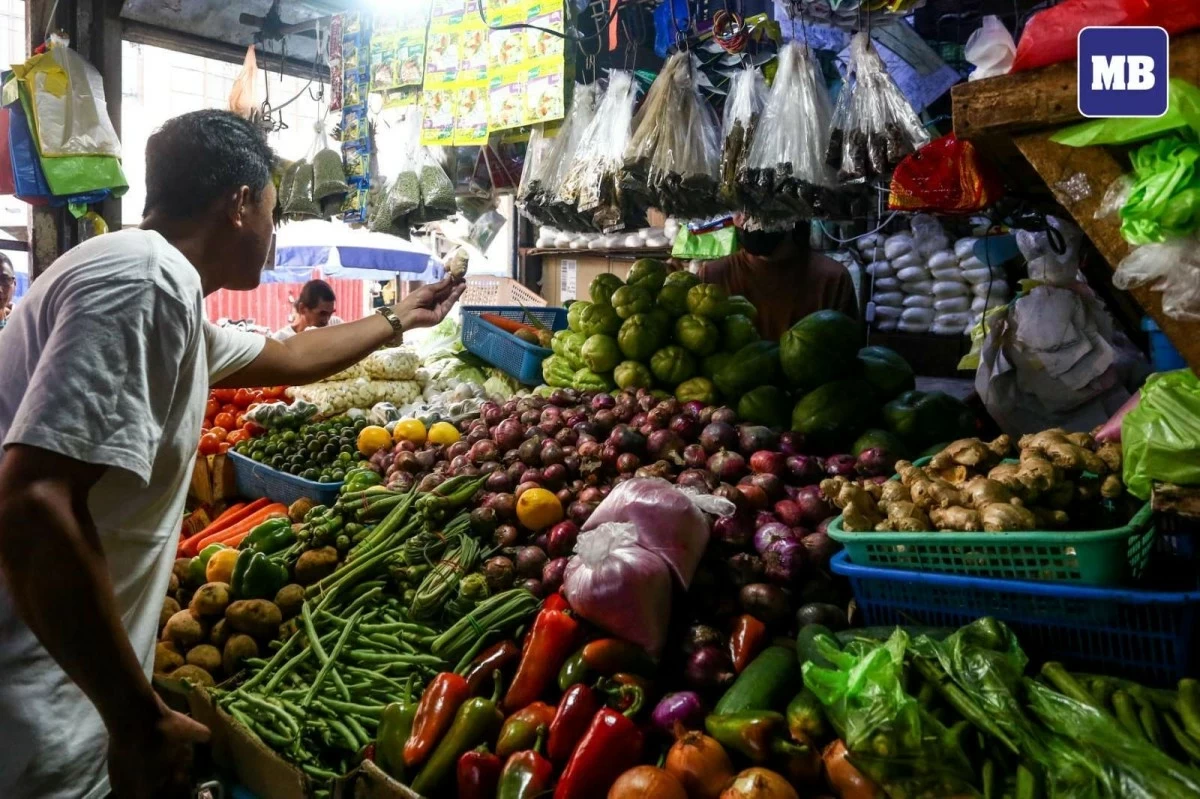
It is no consolation to be told that inflation is easing to less than seven percent in July of 2026. Even six percent is still three times the two percent or less annual inflation target that the Bangko Sentral ng Pilipinas (BSP)Bank should be aiming for. What is more concerning is that food...
The number of working Filipino children, including child laborers, ages five to 17, inched up by 0.8 percent to about 868,540 in 2025, the Philippine Statistics Authority (PSA) revealed. Economists attributed the increase mainly to persistent poverty, higher living costs, and the lingering economic...
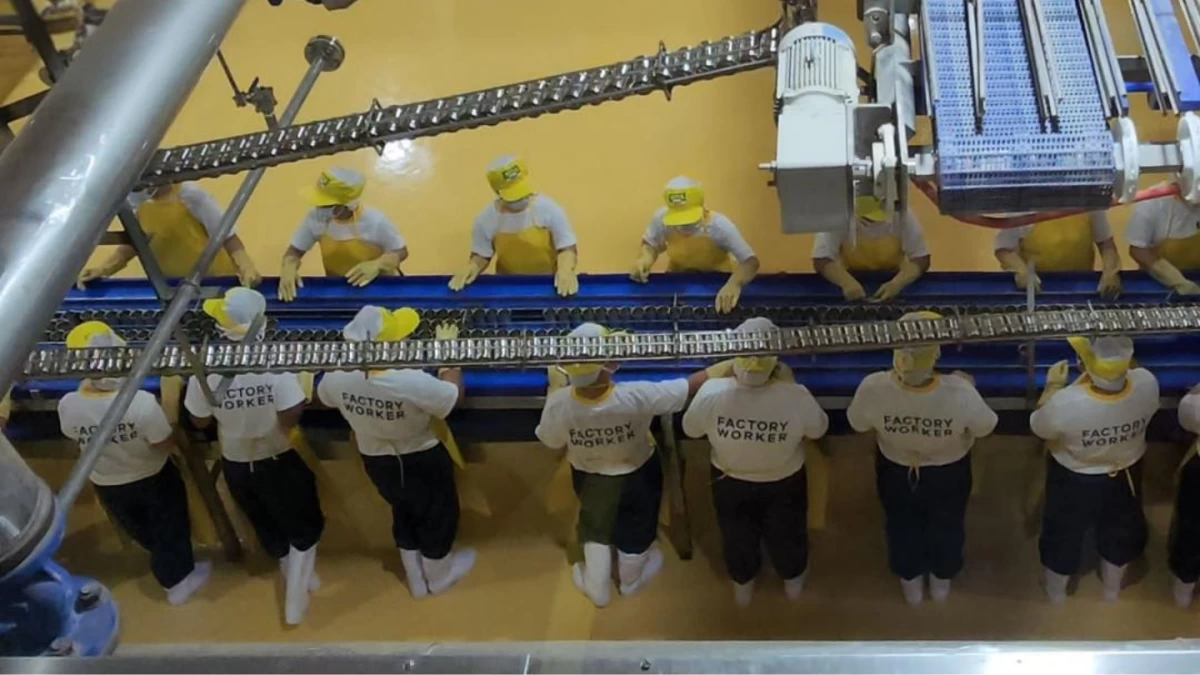
Factory output growth slightly eased in May as transport equipment and food production slowed while chemical output declined at a faster pace, according to the Philippine Statistics Authority (PSA). In its latest monthly integrated survey of selected industries (MISSI) report on Tuesday, July 7,...
Inflation, or year-on-year consumer price increases, slowed slightly to 6.4 percent in June as gas prices eased, even as the headline rate continued to be much higher compared with year-ago levels. National Statistician Claire Dennis S. Mapa noted during a press briefing on Tuesday, July 7, that...
Factory gate prices accelerated further in May, bucking the easing in consumer inflation as higher manufacturing costs reached their fastest pace in more than three years, driven mainly by the electronics industry. The latest preliminary Philippine Statistics Authority (PSA) data on Tuesday, June...