ADVERTISEMENT

Inflation cools slightly to still above-target 6.4% in June as gas prices ease

Published Jul 7, 2026 09:05 am  |  Updated Jul 7, 2026 02:02 pm

Inflation, or year-on-year consumer price increases, slowed slightly to 6.4 percent in June as gas prices eased, even as the headline rate continued to be much higher compared with year-ago levels.

National Statistician Claire Dennis S. Mapa noted during a press briefing on Tuesday, July 7, that last month’s headline inflation was lower than the 6.8 percent in May, continuing the downward trend from the more-than-three-year high of 7.2 percent in April amid the war in the Middle East, which caused global oil price and supply shocks.

However, the June figure remained way above the 1.4 percent recorded in the same month last year, Philippine Statistics Authority (PSA) data showed.

The inflation rate averaged 4.8 percent in the first half of 2026, higher than the government’s two- to four-percent target range of annual price hikes deemed manageable and conducive to economic growth.

During the month, the transport index—which remained elevated over the past few months—slowed to 12.8 percent from 16.2 percent in May.

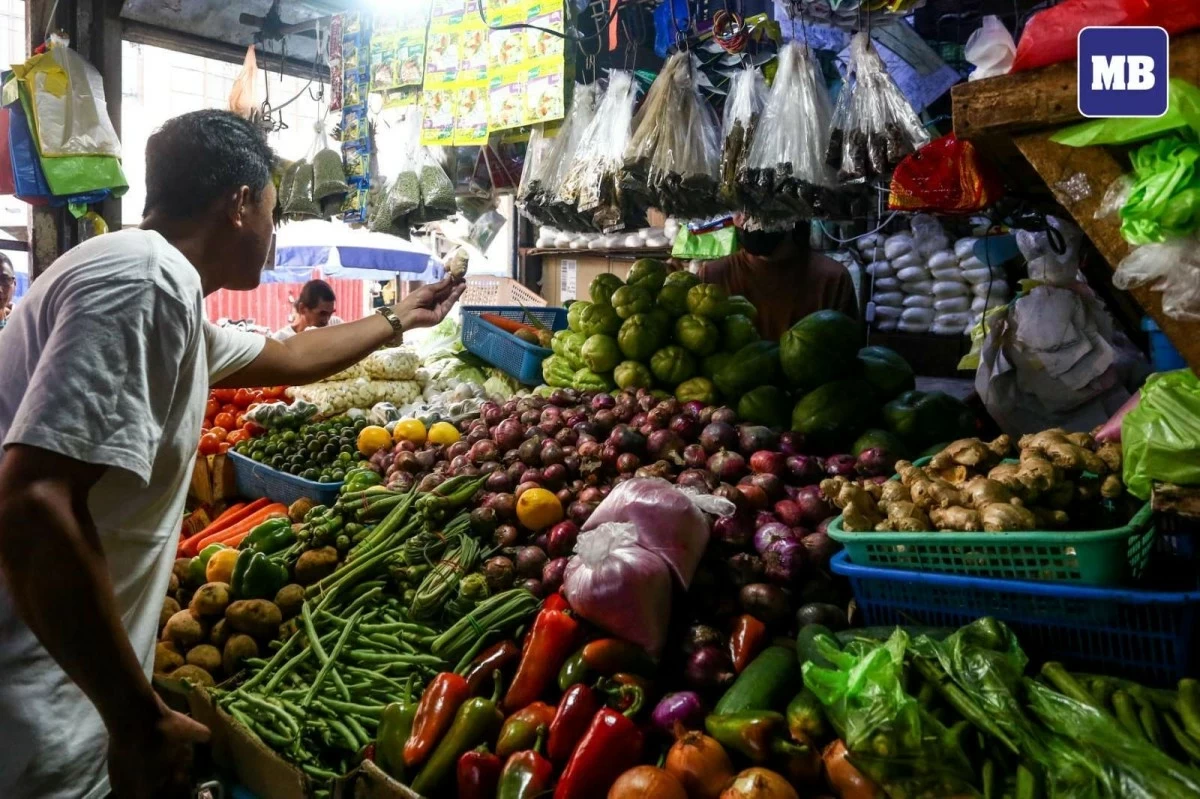
Food and non-alcoholic beverages likewise eased to 5.2 percent in June from 5.7 percent in May.

Household equipment and routine household maintenance slightly eased to 3.7 percent from 3.9 percent.

Despite the continued slowdown in inflation, global market movements will still affect the overall inflation rate moving forward, as Mapa said any developments in the Middle East may still affect price increases.

The PSA chief added that the electricity and liquefied petroleum gas (LPG) index was at its highest in three years, as external shocks driven by the United States (US)-Iran conflict may still contribute greatly. However, Mapa assured that these effects are leveling off compared with their peak in early 2026.

In June, housing, water, electricity, gas, and other fuels increased by eight percent from 7.8 percent in the previous month.

Alcoholic beverages and tobacco also went up to 5.9 percent from 5.4 percent, while clothing and footwear inched up to 3.1 percent from three percent.

Restaurants and accommodation services grew slightly to seven percent from 6.7 percent.

Education services saw a substantial spike to 3.9 percent from 2.9 percent, as Mapa explained that this was heavily driven by the start of the school year.

Meanwhile, consumers are feeling the pinch right in their wallets. A ₱100 bill today buys only what ₱74 could buy in 2018, down slightly from ₱76 in January.

According to the Department of Economy, Planning, and Development (DEPDev), easing oil price pressures and government measures to strengthen food supply helped slow inflation in June, giving some relief to Filipino households after months of elevated price increases, 

“Every percentage point drop in inflation matters to Filipino families. It means household budgets can go further, especially for poor families who spend a large share of their income on food and transportation, DEPDev Secretary Arsenio M. Balisacan said in a statement.

Balisacan said easing inflation pressures reflected both improving global conditions and coordinated government measures, including targeted assistance for farmers, fisherfolk, and transport service providers, as well as the lifting of toll fees for vehicles transporting agricultural produce.

“If we want stable prices, we need a stable food supply. Reducing losses from weather disturbances and other supply disruptions remains one of the most effective ways to protect both consumers and producers from future price shocks,” the country’s chief economist said. 

DEPDev noted that the government is implementing the El Niño Food Security Action Plan, with ₱26.13 billion allocated to strengthen the country’s preparedness for weather disturbances, ensure adequate food supply, minimize income losses among affected farmers and fisherfolk, as well as expand consumer access to affordable food.

Meanwhile, the Philippine and Japanese governments are advancing plans to establish a national strategic petroleum reserve to provide a buffer against geopolitical disruptions and extreme price volatility, DEPDev added.

“Our goal is not only to bring inflation down but to keep it low and stable. That requires stronger food production, more efficient supply chains, and greater resilience to climate and other shocks,” Balisacan said.

“By strengthening these foundations, we can help Filipino families plan, save, and prosper with greater confidence,” the DEPDev chief added.

Related Tags

inflation rate Middle East war Philippine Statistics Authority (PSA) Claire Dennis S. Mapa oil prices
ADVERTISEMENT
.most-popular .layout-ratio{ padding-bottom: 79.13%; } @media (min-width: 768px) and (max-width: 1024px) { .widget-title { font-size: 15px !important; } }

{{ articles_filter_1561_widget.title }}

.most-popular .layout-ratio{ padding-bottom: 79.13%; } @media (min-width: 768px) and (max-width: 1024px) { .widget-title { font-size: 15px !important; } }

{{ static_articles_1562_widget.title }}

.most-popular .layout-ratio{ padding-bottom: 79.13%; } @media (min-width: 768px) and (max-width: 1024px) { .widget-title { font-size: 15px !important; } }

{{ articles_filter_1563_widget.title }}

{{ articles_filter_1564_widget.title }}

.mb-article-details { position: relative; } .mb-article-details .article-body-preview, .mb-article-details .article-body-summary{ font-size: 17px; line-height: 30px; font-family: "Libre Caslon Text", serif; color: #000; } .mb-article-details .article-body-preview iframe , .mb-article-details .article-body-summary iframe{ width: 100%; margin: auto; } .read-more-background { background: linear-gradient(180deg, color(display-p3 1.000 1.000 1.000 / 0) 13.75%, color(display-p3 1.000 1.000 1.000 / 0.8) 30.79%, color(display-p3 1.000 1.000 1.000) 72.5%); position: absolute; height: 200px; width: 100%; bottom: 0; display: flex; justify-content: center; align-items: center; padding: 0; } .read-more-background a{ color: #000; } .read-more-btn { padding: 17px 45px; font-family: Inter; font-weight: 700; font-size: 18px; line-height: 16px; text-align: center; vertical-align: middle; border: 1px solid black; background-color: white; } .hidden { display: none; }
function initializeAllSwipers() { // Get all hidden inputs with cms_article_id document.querySelectorAll('[id^="cms_article_id_"]').forEach(function (input) { const cmsArticleId = input.value; const articleSelector = '#article-' + cmsArticleId + ' .body_images'; const swiperElement = document.querySelector(articleSelector); if (swiperElement && !swiperElement.classList.contains('swiper-initialized')) { new Swiper(articleSelector, { loop: true, pagination: false, navigation: { nextEl: '#article-' + cmsArticleId + ' .swiper-button-next', prevEl: '#article-' + cmsArticleId + ' .swiper-button-prev', }, }); } }); } setTimeout(initializeAllSwipers, 3000); const intersectionObserver = new IntersectionObserver( (entries) => { entries.forEach((entry) => { if (entry.isIntersecting) { const newUrl = entry.target.getAttribute("data-url"); if (newUrl) { history.pushState(null, null, newUrl); let article = entry.target; // Extract metadata const author = article.querySelector('.author-section').textContent.replace('By', '').trim(); const section = article.querySelector('.section-info ').textContent.replace(' ', ' '); const title = article.querySelector('.article-title h1').textContent; // Parse URL for Chartbeat path format const parsedUrl = new URL(newUrl, window.location.origin); const cleanUrl = parsedUrl.host + parsedUrl.pathname; // Update Chartbeat configuration if (typeof window._sf_async_config !== 'undefined') { window._sf_async_config.path = cleanUrl; window._sf_async_config.sections = section; window._sf_async_config.authors = author; } // Track virtual page view with Chartbeat if (typeof pSUPERFLY !== 'undefined' && typeof pSUPERFLY.virtualPage === 'function') { try { pSUPERFLY.virtualPage({ path: cleanUrl, title: title, sections: section, authors: author }); } catch (error) { console.error('ping error', error); } } // Optional: Update document title if (title && title !== document.title) { document.title = title; } } } }); }, { threshold: 0.1 } ); function showArticleBody(button) { const article = button.closest("article"); const summary = article.querySelector(".article-body-summary"); const body = article.querySelector(".article-body-preview"); const readMoreSection = article.querySelector(".read-more-background"); // Hide summary and read-more section summary.style.display = "none"; readMoreSection.style.display = "none"; // Show the full article body body.classList.remove("hidden"); } document.addEventListener("DOMContentLoaded", () => { let loadCount = 0; // Track how many times articles are loaded const offset = [1, 2, 3, 4, 5, 6, 7, 8, 9, 10]; // Offset values const currentUrl = window.location.pathname.substring(1); let isLoading = false; // Prevent multiple calls if (!currentUrl) { console.log("Current URL is invalid."); return; } const sentinel = document.getElementById("load-more-sentinel"); if (!sentinel) { console.log("Sentinel element not found."); return; } function isSentinelVisible() { const rect = sentinel.getBoundingClientRect(); return ( rect.top < window.innerHeight && rect.bottom >= 0 ); } function onScroll() { if (isLoading) return; if (isSentinelVisible()) { if (loadCount >= offset.length) { console.log("Maximum load attempts reached."); window.removeEventListener("scroll", onScroll); return; } isLoading = true; const currentOffset = offset[loadCount]; window.loadMoreItems().then(() => { let article = document.querySelector('#widget_1690 > div:nth-last-of-type(2) article'); intersectionObserver.observe(article) loadCount++; }).catch(error => { console.error("Error loading more items:", error); }).finally(() => { isLoading = false; }); } } window.addEventListener("scroll", onScroll); });

Sign up by email to receive news.