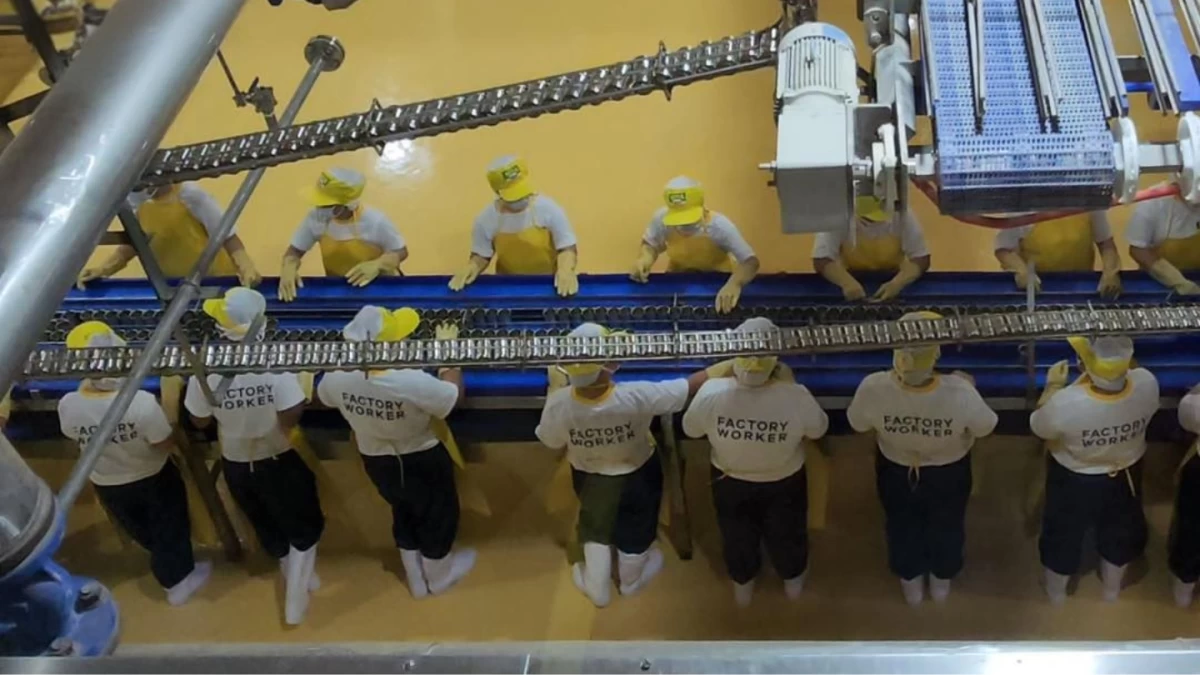
Factory-gate price growth inched up in July, bucking the continued easing in headline inflation, as higher petroleum and electronics prices offset slower increases in food manufacturing prices. The latest preliminary Philippine Statistics Authority (PSA) data released on Friday, Aug. 28, showed...
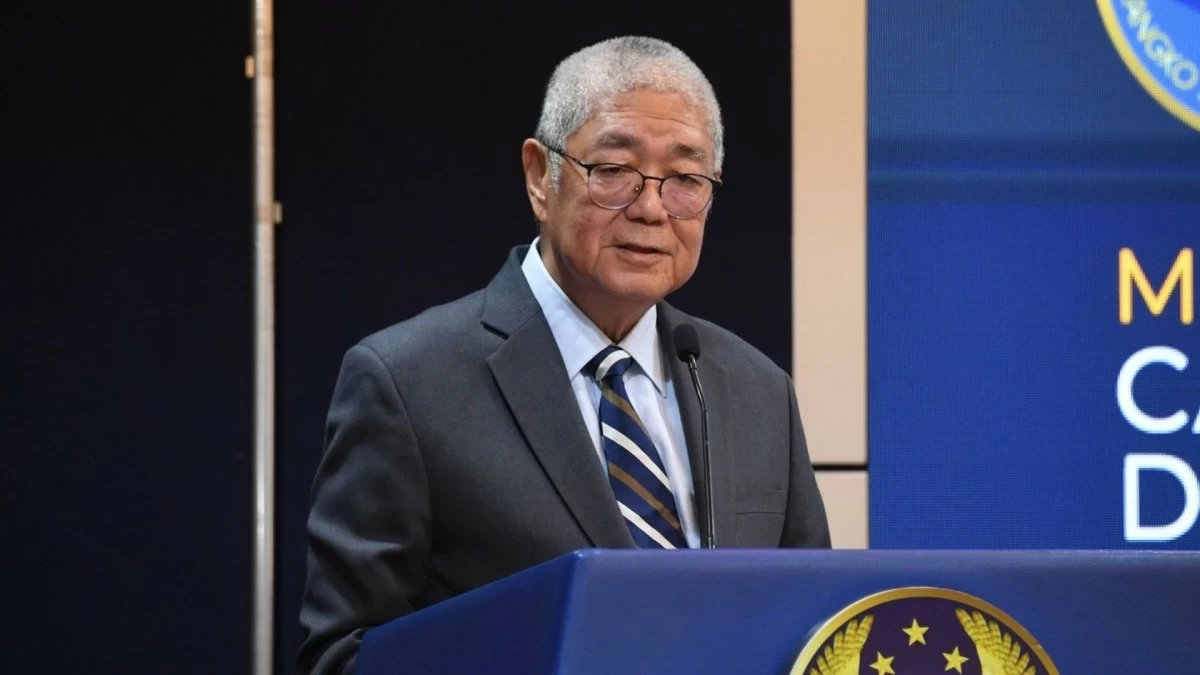
Bangko Sentral ng Pilipinas (BSP) Governor Eli M. Remolona Jr. said the decision to raise the policy rate to five percent on Thursday, Aug. 27, “wasn’t so hard,” while expressing hope that the latest increase would be the last of the current tightening cycle. Remolona told a press briefing...
The Philippine economy is headed for a “slow and bumpy” recovery, with growth likely to fall below the government’s target this year after the multibillion-peso flood control corruption scandal and the war in the Middle East dragged economic expansion to a post-pandemic low, according to...
The Philippine economy could weaken further in 2026 as the prolonged war in the Middle East, governance concerns, and El Niño threaten growth while elevated inflation and borrowing costs cloud the outlook, the Department of Economy, Planning, and Development (DEPDev) warned. “The country’s...
A grim word is beginning to circulate in discussions of the Philippine economy: stagflation. Strictly speaking, the country is not there yet. Growth has slowed sharply and inflation remains uncomfortable, but unemployment is not exceptionally high and output continues to expand. A better...
The Philippines recorded the second-largest increase in 10-year government bond yields among selected Asia-Pacific economies since the war in the Middle East began, raising the government’s borrowing costs at a time when the Marcos Jr. administration is relying heavily on domestic debt to finance...
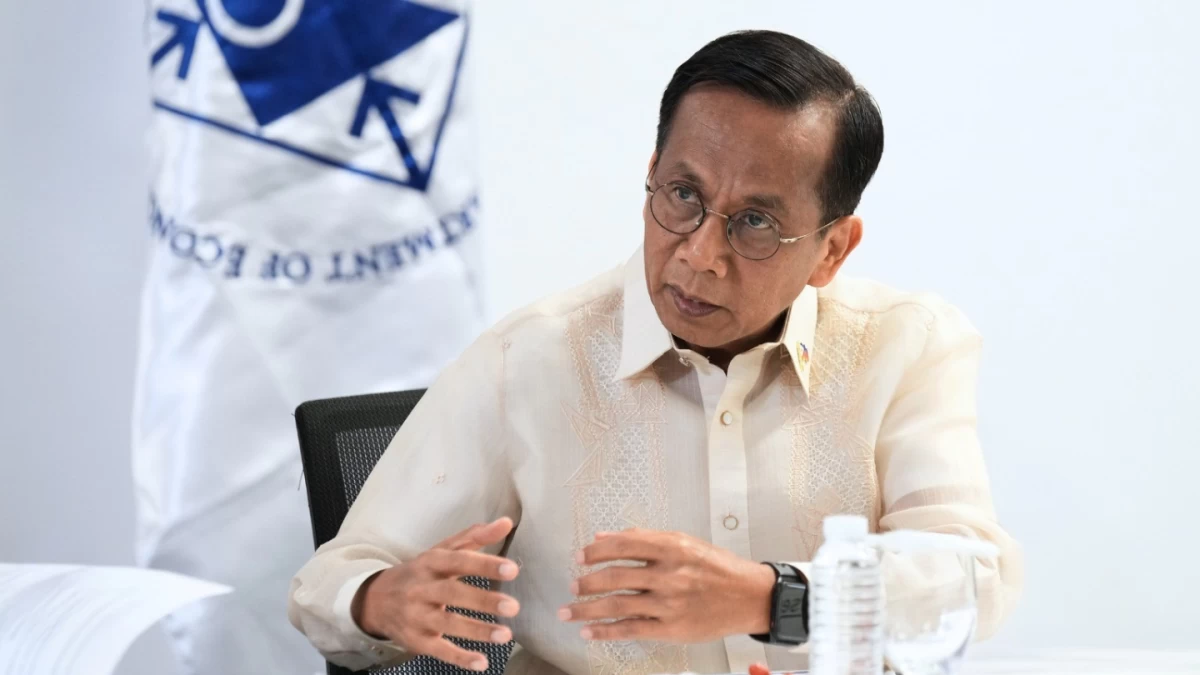
The Philippines must push through political and economic reforms in the final two years of the Marcos Jr. administration to rebuild confidence and strengthen the economy’s growth potential, according to the country’s chief economist. During the Development Budget Coordination Committee (DBCC)...
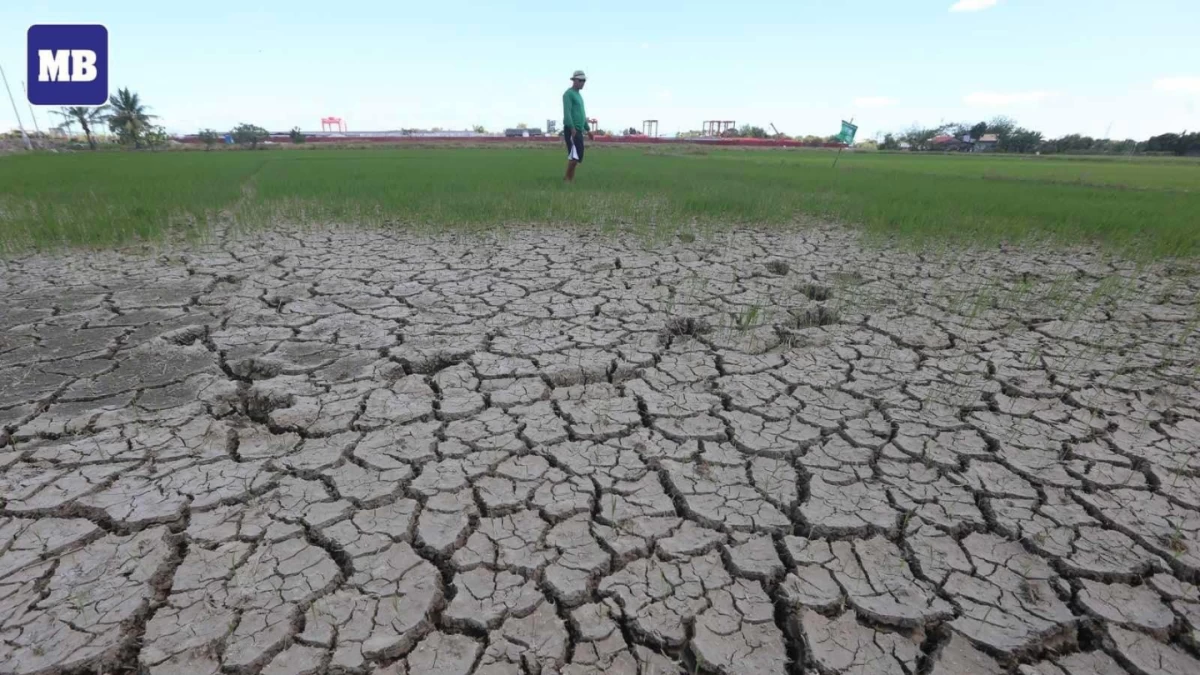
The Philippines faces difficulty bringing inflation back within target as a strengthening El Niño threatens to damage crops and push food prices higher, with the country already posting the highest inflation rate in the region, according to Moody’s Analytics. In an Aug. 7 report, Moody’s...
The Philippine economy faces an uphill battle in the second half of 2026 after posting its weakest post-pandemic growth, with private sector economists warning that faster infrastructure spending, easing inflation, and stronger investor confidence will determine whether the country can meet the...
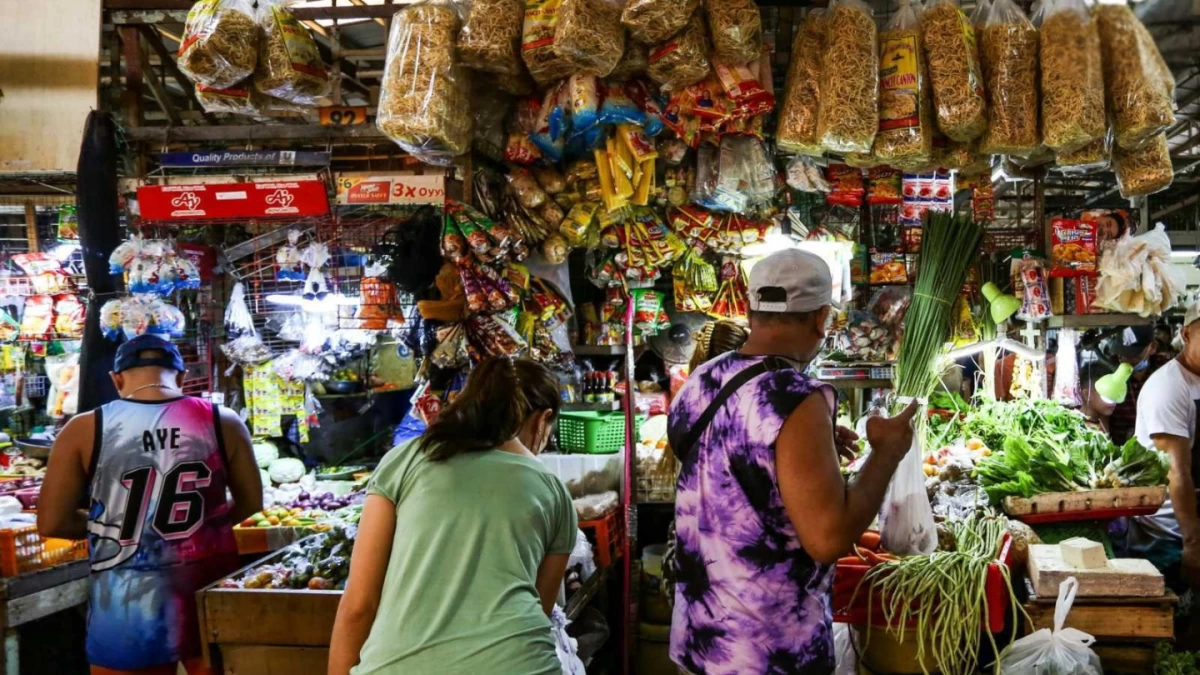
The government attributed the easing of inflation in July to lower transport costs, improving supply conditions, and sustained interventions, even as officials vowed to continue measures aimed at stabilizing food prices and shielding vulnerable households from rising living costs. The Philippine...
The World Bank urged the Philippines to accelerate power sector reforms to lower electricity costs and reduce its dependence on imported fuel, saying cheaper and more reliable power has become critical to sustaining economic growth, attracting investments, and reducing poverty after the country’s...
A “triple threat” of crude oil prices topping $80 per barrel, Metro Manila’s ₱85 daily wage hike, and severe El Niño conditions could push third-quarter Philippine inflation back to levels seen during the height of the Middle East crisis and prompt the Bangko Sentral ng Pilipinas (BSP) to...