







Gaming platforms and social media eyed as radicalization hubs for youth
Published Aug 20, 2026 11:17 am


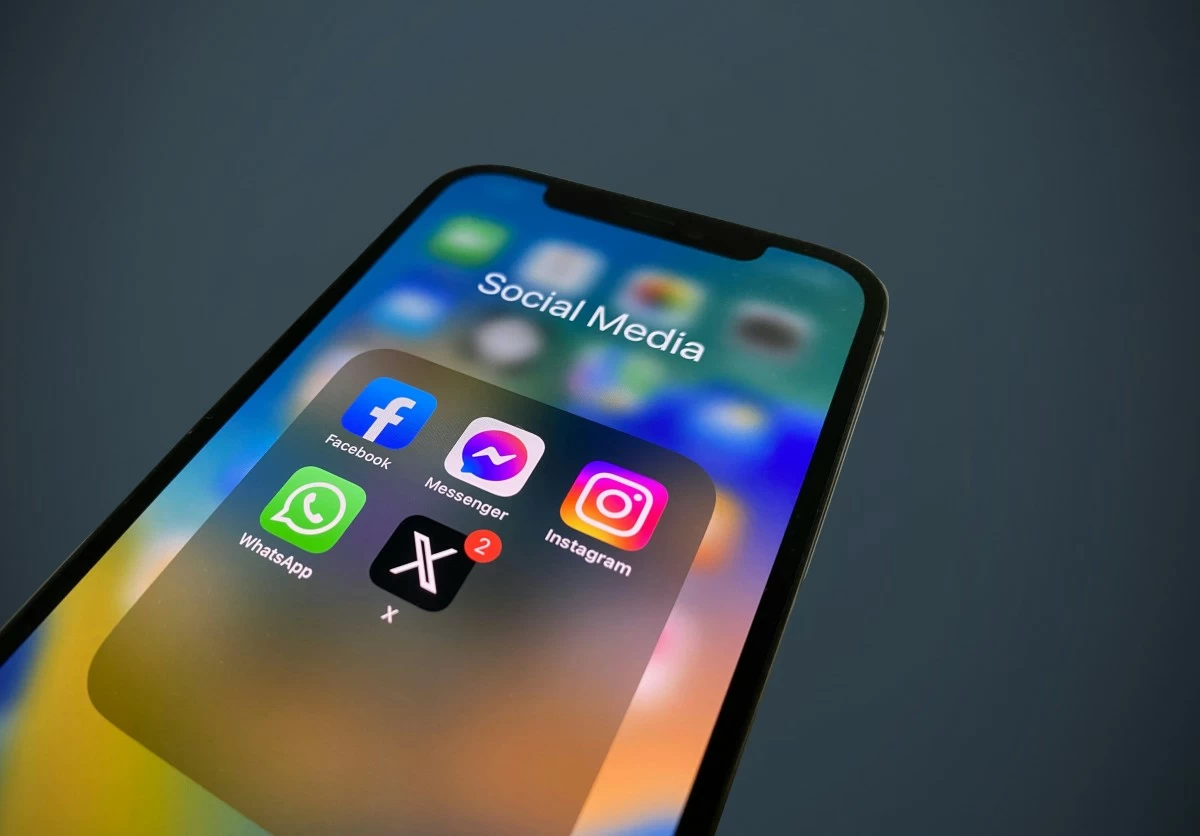
Photo by Julian on Unsplash
Following a fatal school shooting in Zamboanga City, Interior Secretary Jonvic Remulla called on Congress to establish strict regulations on children's access to violent video games and social media platforms, warning that these digital environments are being exploited to radicalize young Filipinos.
Radicalization is described online as: Favoring extreme changes in views, habits, conditions, or institutions. It’s a gradual process, which can take months or even years. In a report Manila Bulletin published on April 16 where seven children have been rescued from online grooming, the ongoing radicalization process has been ongoing for about five years.
Forensic analysis remains ongoing regarding the Zamboanga City suspect's devices, and officials believe the perpetrator was heavily influenced by the popular online platform Roblox.
Remulla clarified that while Roblox itself allows users to design and share games—including shooter titles—the primary danger lies in its adjacent communication features. The unmonitored chat channels, he noted, act as breeding grounds where extreme peer pressure and radicalization occur.
This issue has drawn significant attention from lawmakers. Sen. Risa Hontiveros previously raised alarms regarding extremist networks like "764," which reportedly utilize gaming platforms and social media channels as initial entry points to groom and incite youth toward violence.
In 2020, Polygon, a gaming and entertainment news outlet, reported that violent video games as the cause for violence are not “scientifically” sound. In their report, they quoted the American Psychological Association President, Sandra L. Shullman, PhD: “Violence is a complex social problem that likely stems from many factors that warrant attention from researchers, policymakers and the public. Attributing violence to video gaming is not scientifically sound and draws attention away from other factors, such as a history of violence, which we know from the research is a major predictor of future violence.”
We have also published articles about these topics, which can be found here and here. The latter specifically points to an Oxford research about violence and violent video games having little bearing.
Looking beyond gaming platforms, Remulla suggested that the Philippines consider implementing social media restrictions for minors, citing Australia’s ban on social media for children under 16 as a potential reference.
However, child rights groups believe that a blanket ban is not the solution, and instead focus on developing regulations. The group cited that, because children and teens are intelligent enough to navigate around bans, even with parental access. The group also warned that banning social media will most likely cover only the mainstream platforms, endangering children and teens to explore social media alternatives, where they may discover the truly dangerous and totally unregulated platforms, which may increase risks of grooming and radicalization. You can read about that report here.
Remulla cautioned, however, that a single legislative act would not fully address the problem:
Multi-layered approach: Remulla emphasized that regulating digital platforms is just one part of a complex solution, acknowledging that school shootings remain exceptionally rare in the country.
Effectiveness concerns: The proposed model faces growing debate, as recent evaluations—including a study published in the British Medical Journal—indicated there is currently insufficient evidence to prove Australia's restrictions have significantly altered youth online behavior.
To cap this off, here's another article published by the Manila Bulletin that talks about social media ban in a teenager's point of view.