







Social media ban faces opposition from child rights group
Published Jul 28, 2026 09:01 am


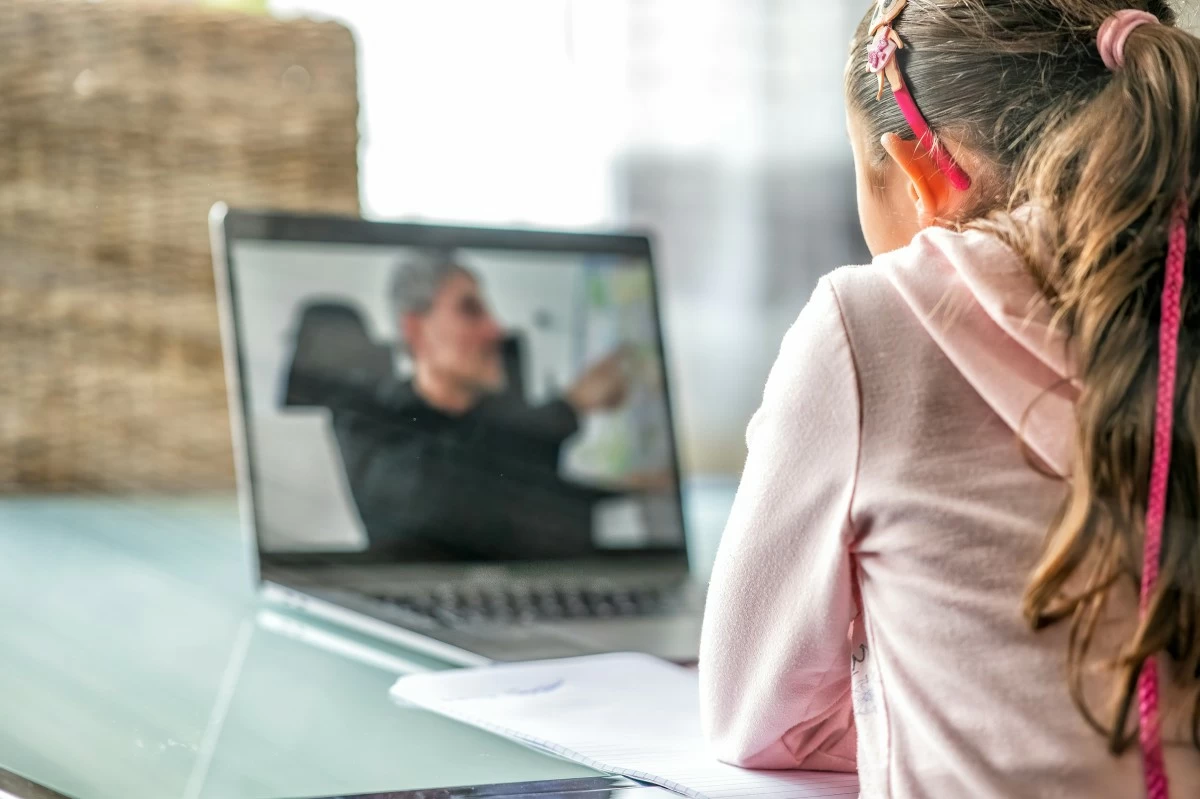
Photo by Giovanni Gagliardi on Unsplash
Save the Children Philippines has reiterated its opposition to proposals that would impose a blanket ban on social media access for minors, arguing that such a policy could unintentionally expose children to greater risks while limiting their rights to education, participation, and access to information.
The organization's statement comes as lawmakers continue to push legislation that would prohibit children below a certain age from creating or maintaining social media accounts. Among the proposals is the Social Media Safety for Children Act, which seeks to ban users under the age of 16 from accessing social media platforms. Supporters of the measure say it is intended to shield young people from cyberbullying, online predators, addictive platform design, and harmful content.
However, child rights advocates argue that an outright prohibition oversimplifies a far more complex problem.
Protection should not mean exclusion
Save the Children Philippines said child protection policies should prioritize creating safer online environments rather than removing children from digital spaces altogether.
The group argued that social media has become an important platform for education, communication, civic participation, and access to emergency information, particularly for young people. Instead of blanket restrictions, it called for stronger safeguards, age-appropriate digital literacy programs, improved parental guidance, and greater accountability from technology companies.
The position echoes similar calls made by the Child Rights Network and other advocacy organizations earlier this year, which urged lawmakers to reconsider proposals that ban minors from social media in favor of regulations requiring platforms to improve child safety features and content moderation.
Why experts say blanket bans may backfire
While concerns over the impact of social media on children's mental health continue to grow, researchers and digital rights advocates warn that outright bans may create unintended consequences.
One of the biggest concerns is that prohibiting access may simply drive young users toward unregulated platforms or encourage them to bypass age restrictions using false identities. Consumer advocacy group CitizenWatch Philippines warned earlier this year that blanket bans could "displace" online harm rather than reduce it, making it harder for parents, educators, and platforms to monitor children's online activity.
Researchers studying children's online safety have similarly argued that access restrictions alone are insufficient because many online harms stem from platform design rather than children's mere presence online. Recent academic work proposes a child-fit security approach, which emphasizes designing platforms that treat children as legitimate users requiring built-in safety protections instead of simply excluding them through bans.
Experts have also raised concerns that blanket prohibitions could disproportionately affect vulnerable youth.
International critics of similar legislation have warned that LGBTQ+ teenagers, young people living in isolated communities, and children seeking mental health support often rely on online communities for information and peer support. Restricting access without providing safe alternatives may increase social isolation rather than improve well-being.
Privacy is another issue
Many proposed social media bans rely on mandatory age verification systems. Privacy advocates caution that these systems often require users to submit government-issued identification or biometric data, potentially creating new risks involving data collection, surveillance, and identity theft if not properly safeguarded.
A growing global debate
The Philippines joins several countries considering stricter rules governing children's access to social media.
Governments in Australia, and parts of Europe have introduced or proposed age-based restrictions in response to concerns over youth mental health, cyberbullying, and harmful online content. At the same time, many of these initiatives have faced criticism from legal experts, privacy advocates, and child welfare researchers who question whether blanket bans are practical or effective.
As Philippine lawmakers prepare to resume deliberations on proposed legislation, the debate continues to center on how to balance child protection with children's rights in an increasingly digital society.
For advocates such as Save the Children Philippines, the answer lies not in keeping children offline altogether, but in making the online world significantly safer for them.