







Minors groomed in online game to plan mass shootings, now rescued
Published Mar 18, 2026 05:31 pm


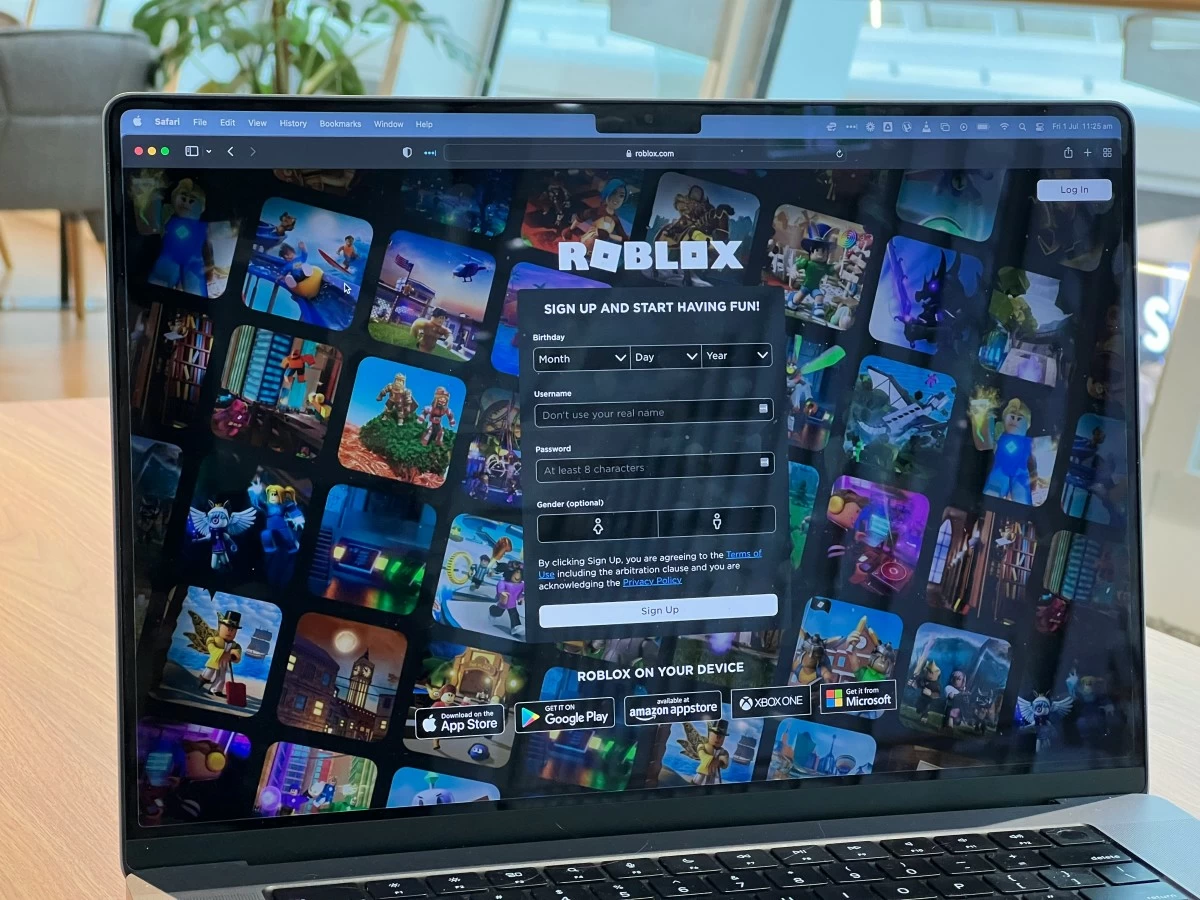
Desktop version of Roblox, photo by Oberon Copeland, Unsplash
The Philippine National Police (PNP) has successfully rescued seven minors who have been recruited through an online game to plan a mass shooting.
These minors were lured using a third-party messaging app where they were groomed by “influencers.” They were also led to websites that contained violence and terrorism. According to officials, some of these minors were being groomed for at least five years.
The rescue operation was carried out by the PNP acting on intelligence obtained by their Anti-Cybercrime Group from international law enforcement.
The PNP said it is coordinating with law enforcement agencies worldwide as part of the investigation.
A call to parents
Online games have chat rooms where people interact with strangers whose identities would be impossible to determine under any normal circumstances. This has become a gateway for predators of all kinds to prey on children, be it grooming them into sexually explicit acts or urging them to commit acts of violence.
This has less to do with gaming addiction and more to do with social engineering, where strangers online gain the trust of their targeted players, and they are gradually conditioned.
For instance, Roblox may look like a childish game. And it is. However, it is online, and people interact daily. And it’s marketed toward children. In my opinion, the more a game is marketed for kids, the more parents should observe it, especially if it's online. You never know what kind of people you'll meet.
As parents, what can you do to protect your children? Banning them seems like the ideal course of action. However, let’s not kid ourselves. Many, not all, will find ways to navigate around these. Acting out as the enforcer may only push the child into a more defensive state.
An approach here is for parents to get involved in some way. Understand the mechanics of the game, whether it's online, whether it has chat features, and what kind of community it has.
If parents don’t have the time to go through this, that is understandable as well. Perhaps there is a simpler way. Research from Pew has shown that open communication can be effective. Parents can and should speak with their children, informing them about the dangers of the online world, what is appropriate, and educating them on what could be harmful content. It is highly encouraged that children continue seeking counsel from their parents about what they learn and discover online.
For much younger children, setting boundaries with them is also important. Limit screentime, carefully observe the platforms they visit and videos they watch. Just because it’s a YouTube Kids video doesn't mean the content is kid-friendly. Content creators can sneak inappropriate things in the guise of kid content. Teaching them early about the dangers of clicking on links and visiting websites.