







A teenager's point of view on social media ban
Caught between connection and protection
Published Jul 31, 2026 10:16 am


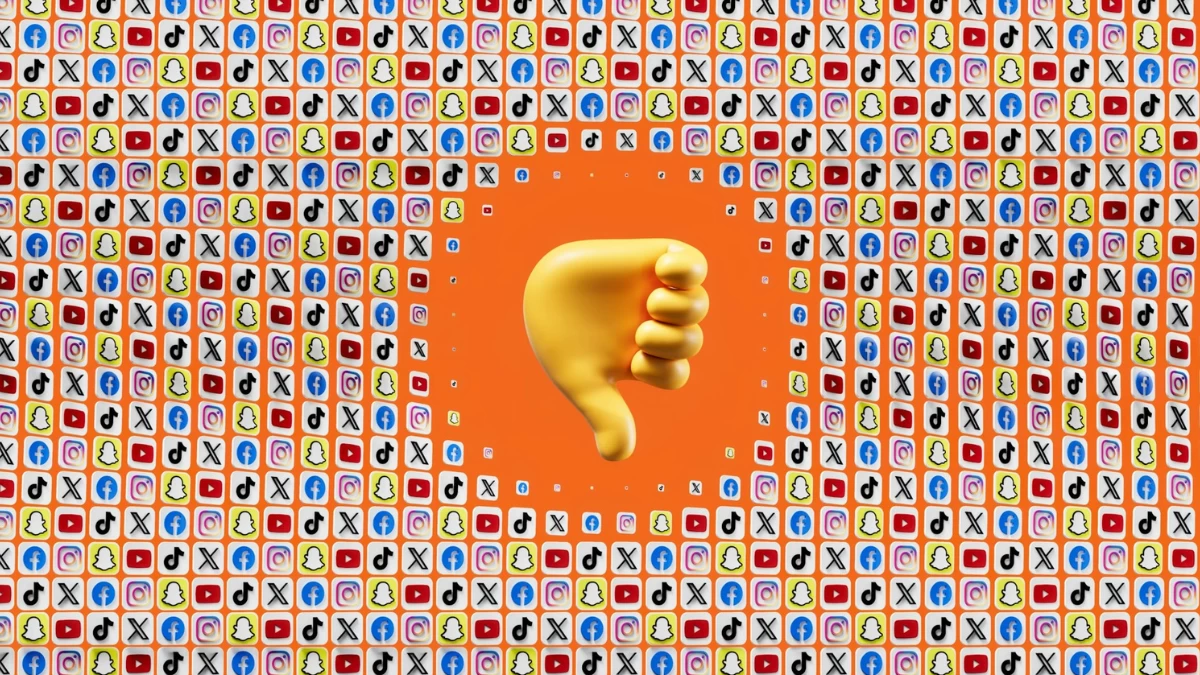
Connection or protection? (Photos: Unsplash)
In late 2025, Australia made history when it became the first nation to ban social media for anyone under the age of 16. Only a few months later, the UK began discussing ways to impose stricter laws and age restrictions on social media to create a safer space for younger generations.
To many adults, these bans seem like obvious choices. Social media has been linked to several negative behaviors, ranging from anxiety and cyberbullying to plummeting self-confidence. But to a teenager like myself, these potential bans could also have an opposite effect. Are we really being protected, or is this taking away the one place we feel connected?
For me, this issue is more complicated than simply deciding whether social media is good or bad. Despite its undeniable dangers, social media also has many benefits that governments don’t take into account.
The double-edged scroll
One of the reasons why governments have chosen to ban or restrict the underage use of social media is the psychological effects on the developing brain. Scientific studies have shown that the prefrontal cortex, which is responsible for controlling behavior, decisions, and emotions, doesn’t finish developing until the mid-20s to early 30s.
Around the same time, the brain begins producing large quantities of the neurotransmitter dopamine, a hormone responsible for making us feel happy or excited. Dopamine levels are controlled by the brain’s reward system, which reinforces behaviors that the brain finds rewarding, which is precisely why social media can be so addictive; every like or comment triggers a small burst of dopamine to be released.
This is especially dangerous to teens who already have an unstable self-image, as they may fall victim to the vicious cycle of reward and validation. Additionally, psychologists have observed that social media can produce or worsen symptoms of anxiety, depression, and insomnia due to cyberbullying or fear of missing out (FOMO).
This argument, however, overlooks another important aspect of adolescent development: the human need for belonging. Many people argue that until age 16, teenagers aren’t emotionally mature enough to handle the pressures of social media, but humans are naturally social creatures.
According to Maslow’s Hierarchy of Needs, once our basic physical needs are met, one of our strongest psychological motivations is belongingness. Friendships, acceptance, and community are crucial, and it is normal for teens to crave validation and friendship, especially when building a foundation for their futures.
Nowadays, these relationships exist online in group chats, gaming communities, discord servers, etc. where teenagers share interests and build friendships long distance. For many young people, online spaces may be the only place where they genuinely feel understood.
Digital literacy
History has shown that when young people are prohibited from accessing something widely available, many simply find alternative ways around the restriction, including using fake birth dates, borrowing other accounts, turning to less regulated platforms, and accessing online communities with even fewer safety protections. These bans may push teenagers toward platforms with weaker safety.
Instead of restricting freedom, perhaps learning to use social media responsibly should be done instead.
Social media use among teenagers should be monitored. But in order to truly limit our use of it without harming us, it would help to give us the resources to understand it better. Like how we were taught about driving rules before we got our licenses, we should be educated about how to use social media in a safe and healthy manner.
There are several advantageous things that we could gain from social media, such as learning how to avoid dangerous predators, how algorithms influence what we see, healthy screen-time habits, and protecting personal information and privacy. This would allow us to use social media as a tool for learning and growth, rather than an easy escape for our boredom. The goal shouldn’t be to restrict teenager’s rights by forbidding them from using social media, but to educate us on how to use it wisely and limit its negative effects.
We are already spending hours upon hours online every day, and that is unlikely to change. Instead of pretending social media can simply be removed from teenagers' lives, these bans should encourage us to become more conscious of our online habits and teach us how to build healthier relationships with technology. After all, the internet isn't going anywhere. And neither is the next generation.