Philippine banks are shoring up their loan-loss buffers as the industry’s bad loan ratio climbed to an eight-month high of 3.4 percent, due to the lingering impact of the Covid-19 pandemic and global uncertainties affecting borrowers’ ability to repay debts. According to the latest data from...
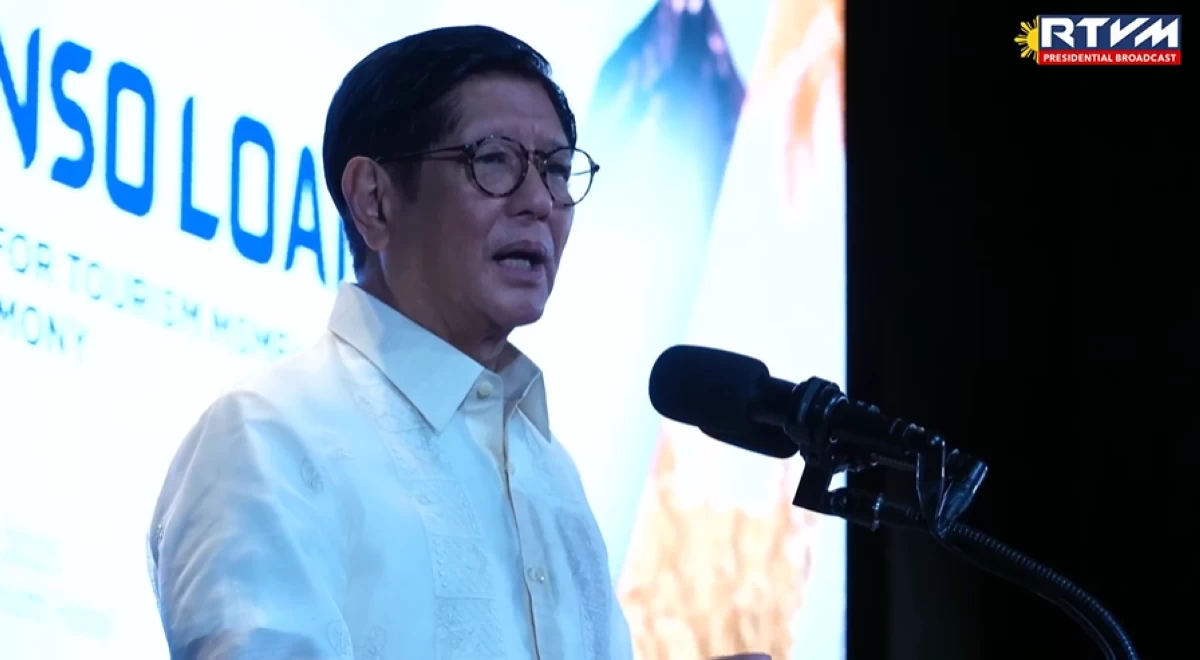
President Marcos has ordered government agencies to ensure that the Turismo Asenso Loan Program is accessible to in need small tourism businesses around the country. In his speech during the awarding ceremony of tourism loan in Pasay City, Marcos directed the Department of Tourism (DOT),...
The Securities and Exchange Commission (SEC) has ordered seven online platforms to stop lending-related operations since they are not registered with the Commission. In separate cease and desist orders (CDOs) dated Aug. 15, the SEC Financing and Lending Companies Department (FinLend) directed Cash...
S&P Global reported that credit growth across emerging markets (EMs) in Asia has generally softened in the first six months of the year, except in the Philippines and Vietnam, where lending has notably picked up pace. According to debt watcher S&P Global, loans from major banks, including universal...
The Philippine banking system’s gross non-performing loan (NPL) ratio slightly eased to 3.38 percent in May, as continued double-digit growth in bank lending expanded the loan base and, along with the central bank’s cumulative 1.25-percent policy rate cut, helped reduce borrowing costs and...
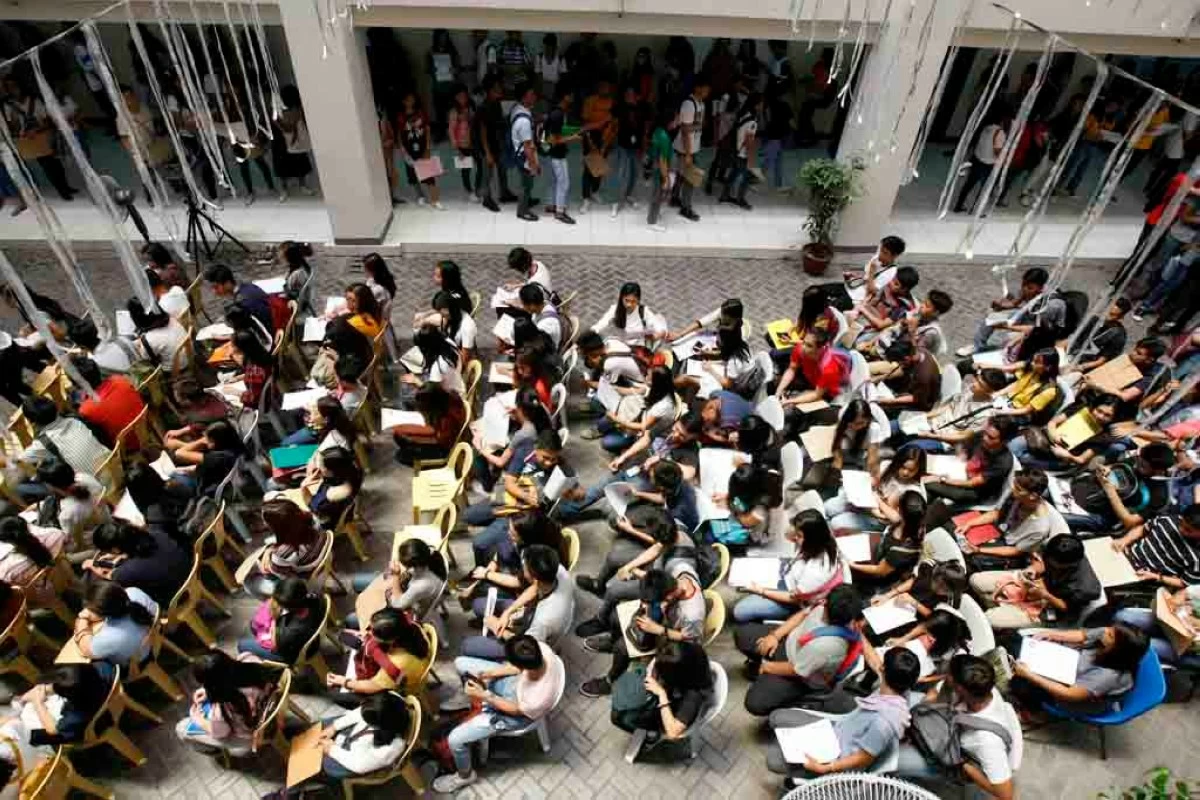
A decade after the passage of Republic Act No. 10687—which established the Unified Student Financial Assistance System for Tertiary Education (UniFAST)—most of its key responsibilities remain unfulfilled. This was revealed during a recent review of the Commission on Higher Education (CHED)...
The Philippine banking system’s gross non-performing loan (NPL) ratio climbed by nine basis points (bps) to 3.39 percent in April, reversing the improvement seen in March, as loan growth slowed and more borrowers fell behind on payments, according to the central bank. The latest data from the...
State-run Government Service Insurance System (GSIS) is offering government workers a chance to escape high-interest loans through its enhanced Ginhawa Max Loan Buyout program, which directly addresses the financial struggles many public servants face. In a statement, Wick Veloso, GSIS president...
The Philippine banking system’s gross non-performing loan (NPL) ratio dropped to its lowest level in three months, as robust growth in total bank lending helped offset a slower rise in soured loans. The latest data from the Bangko Sentral ng Pilipinas (BSP) showed that the banking industry’s...
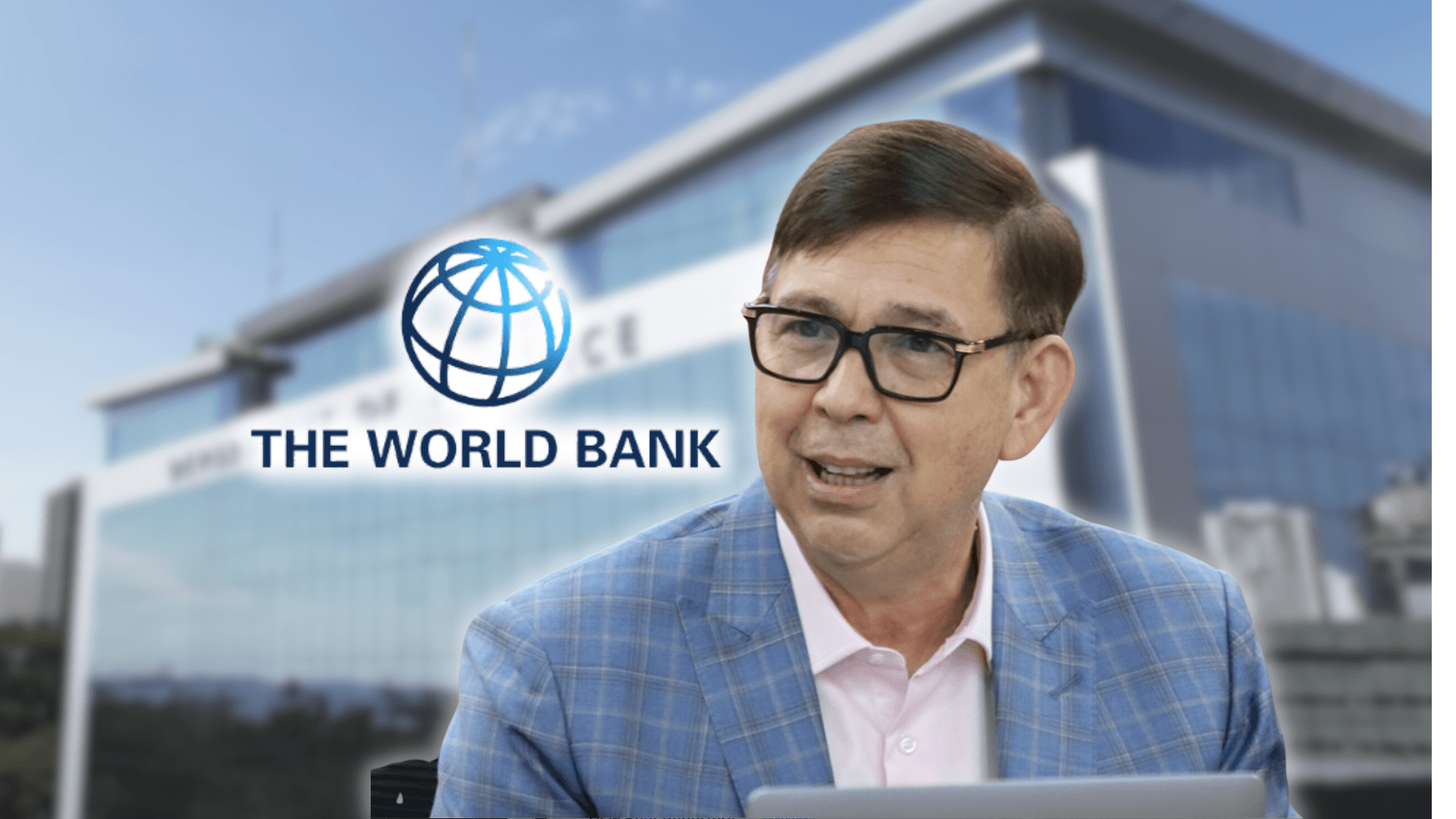
The Marcos administration's chief economic manager has signed another loan agreement with the World Bank, committing to repay the concessional financing until 2053. A World Bank document showed that Finance Secretary Ralph G. Recto, on behalf of the Philippine government, signed the loan agreement...
The Bangko Sentral ng Pilipinas (BSP) reported that the local banking system’s gross non-performing loan (NPL) ratio remained unchanged in February, as faster loan growth offset the rise in bad loans. The latest data from the BSP showed that the banking industry’s gross NPL ratio steadied at...
The Philippines will repay until 2053 two of the four loans greenlit by the Washington-based World Bank last month, worth a total of $950.54 million or about ₱54.6 billion, that will finance health services and transport connectivity in Mindanao and other poor provinces in the country. World...