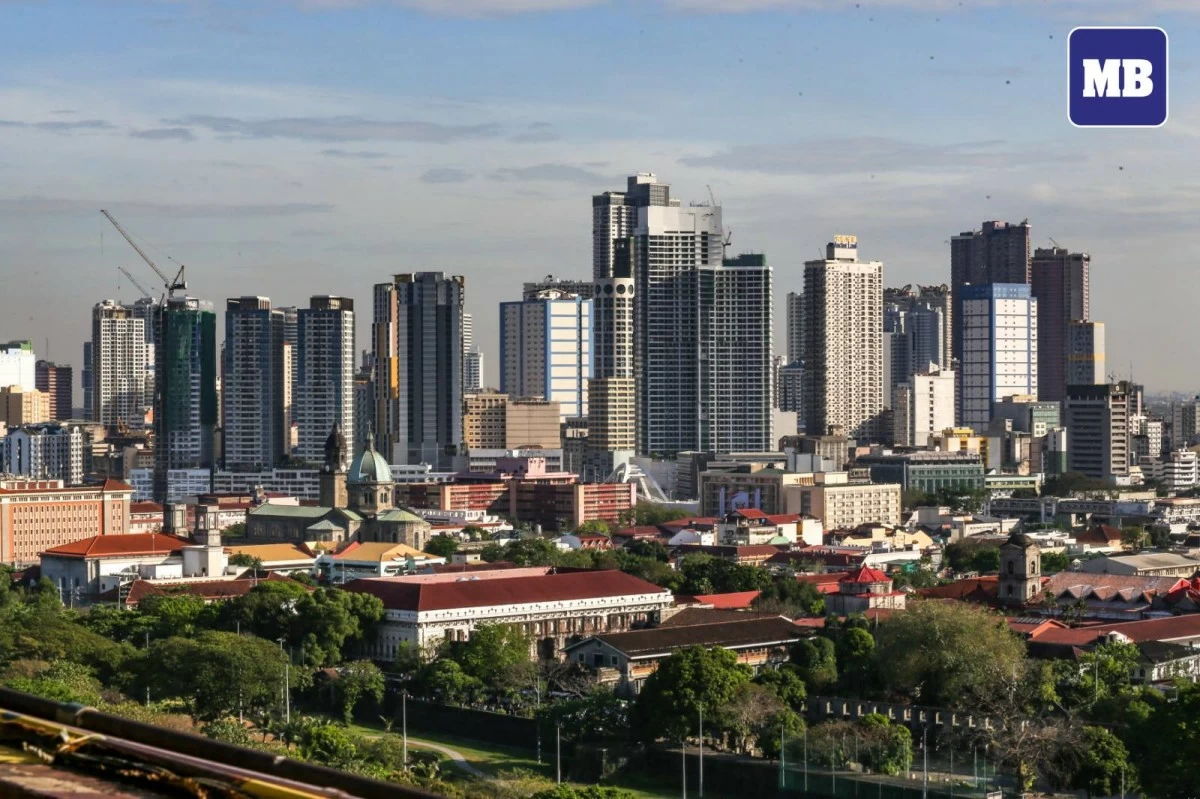
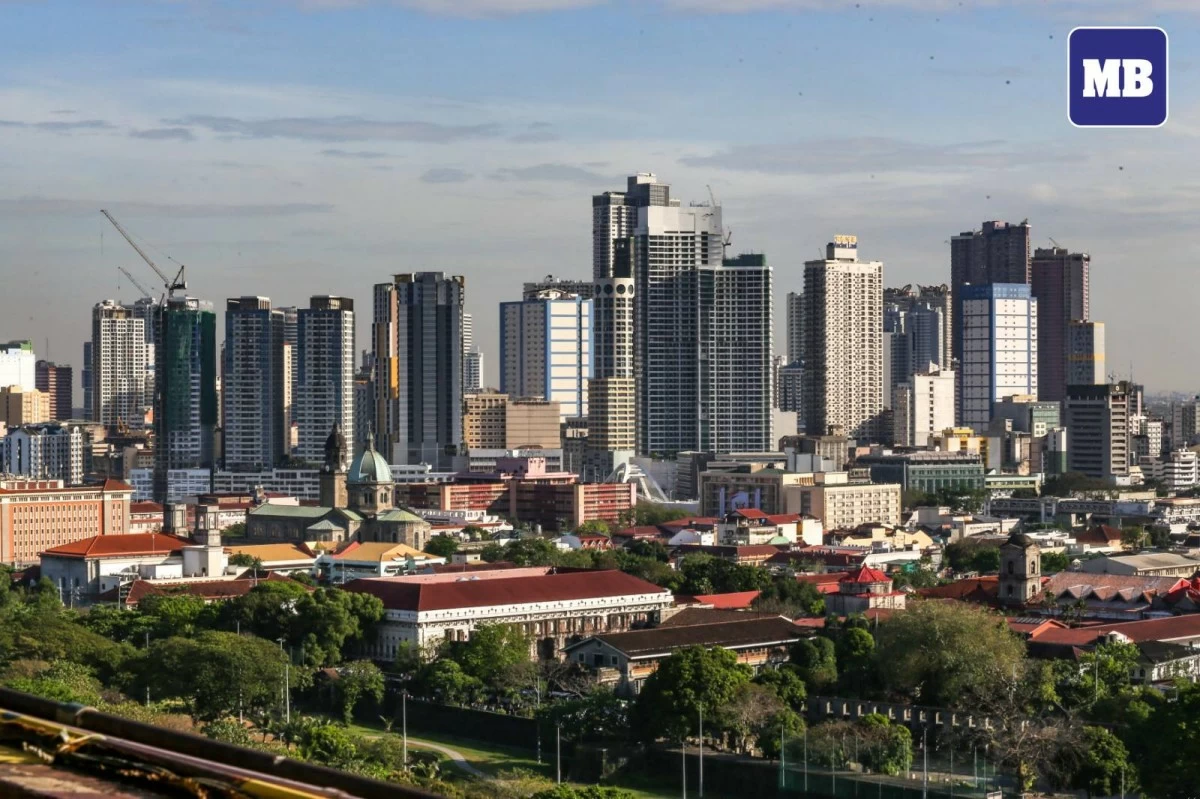
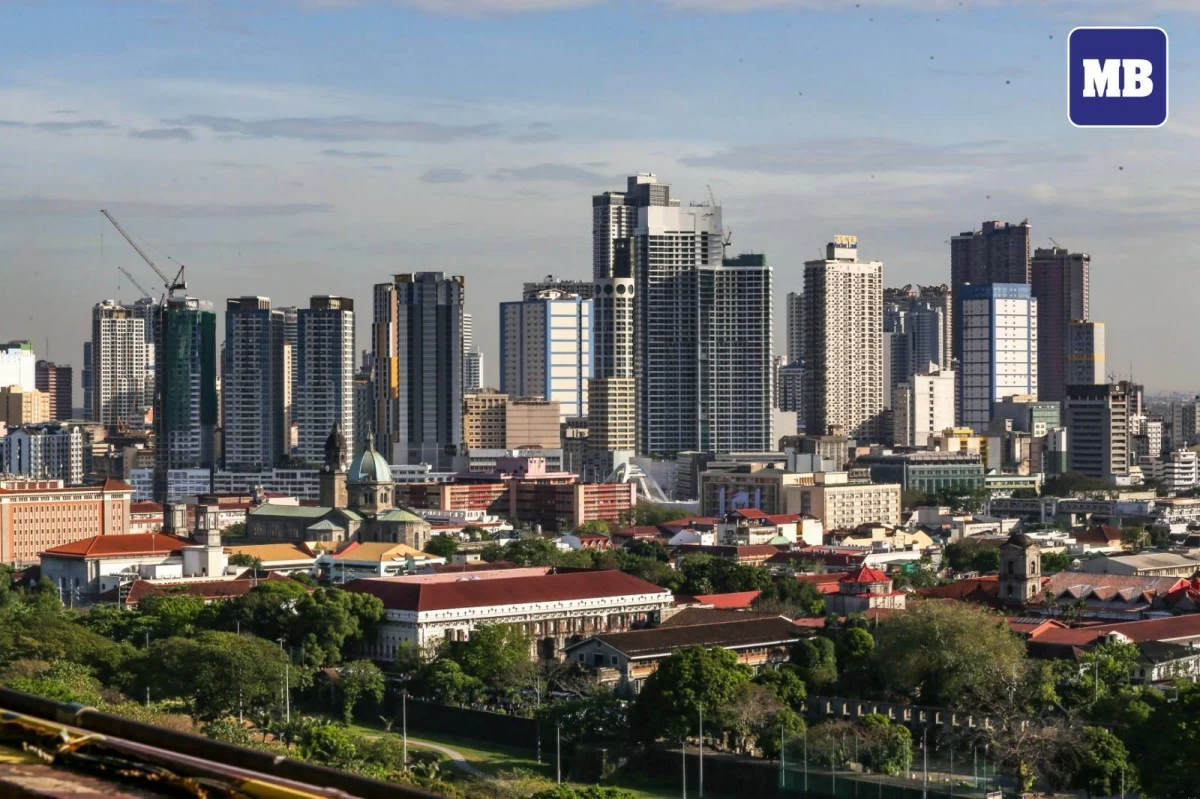
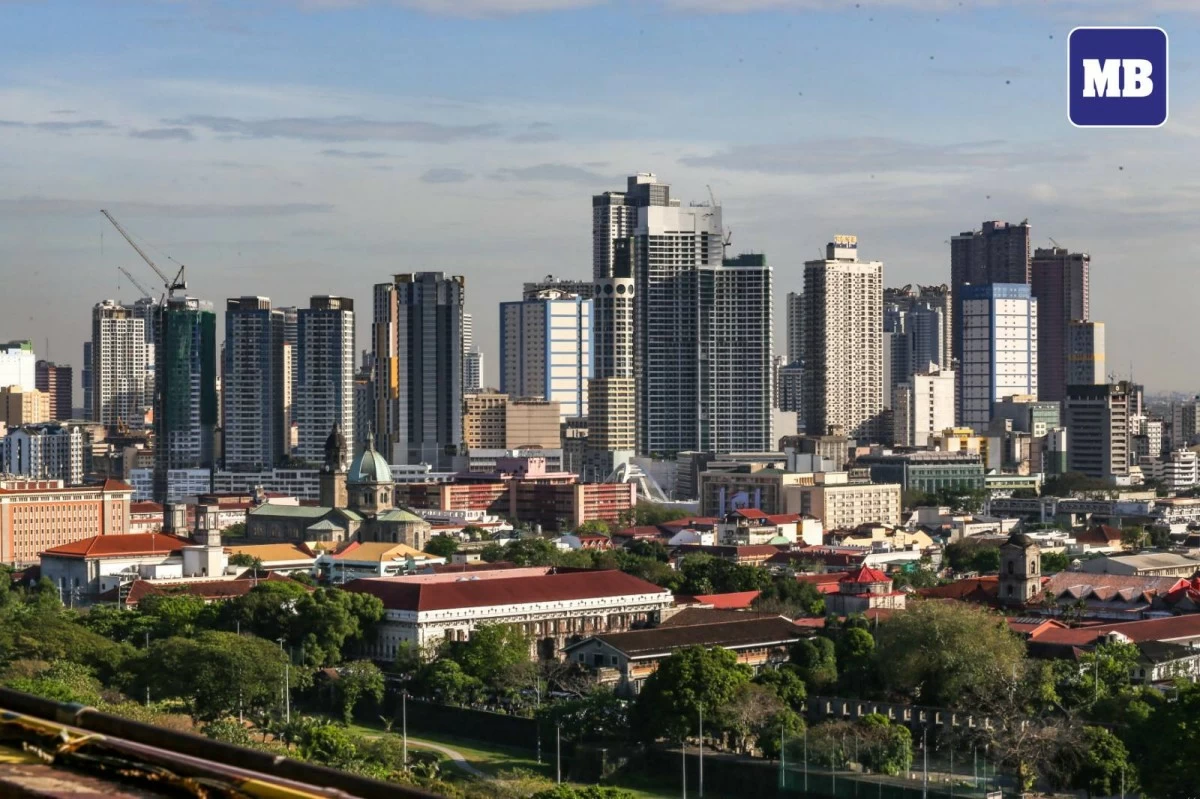
The Philippines is falling behind its neighbors—not because the region is weak, but because domestic politics has become an economic drag. While much of ASEAN continues to post respectable numbers, the Philippines has slowed sharply. Its 2.3 percent growth in the second quarter of 2026 was the...
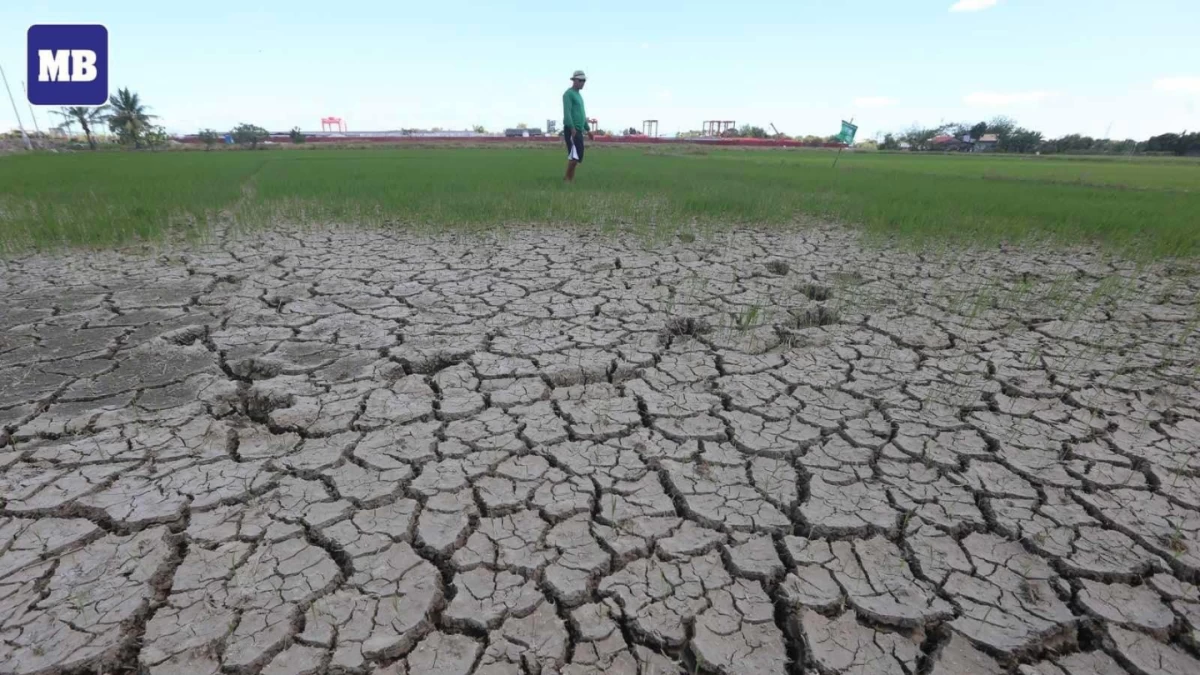
The Philippines faces difficulty bringing inflation back within target as a strengthening El Niño threatens to damage crops and push food prices higher, with the country already posting the highest inflation rate in the region, according to Moody’s Analytics. In an Aug. 7 report, Moody’s...
The Philippine economy faces an uphill battle in the second half of 2026 after posting its weakest post-pandemic growth, with private sector economists warning that faster infrastructure spending, easing inflation, and stronger investor confidence will determine whether the country can meet the...
President Marcos retains ample fiscal room to expand government borrowing to support infrastructure and development programs, according to his chief economic manager, brushing off concerns over sovereign debt that has climbed to its highest level relative to economic output in more than two...
Amid both external and domestic challenges, the Philippines’ economic growth weakened further to a new post-pandemic low of 2.3 percent in the second quarter of 2026, the Philippine Statistics Authority (PSA) reported on Friday, Aug. 7. Gross domestic product (GDP) growth slowed from 2.8 percent...
Within days of assuming office on July 1, 2022, the Marcos Jr. administration unveiled an ambitious fiscal consolidation plan: the Medium-Term Fiscal Framework 2022–2028 (MTFF 2022–28). This plan was unprecedented in two respects: it was the first framework of its kind in Philippine history...
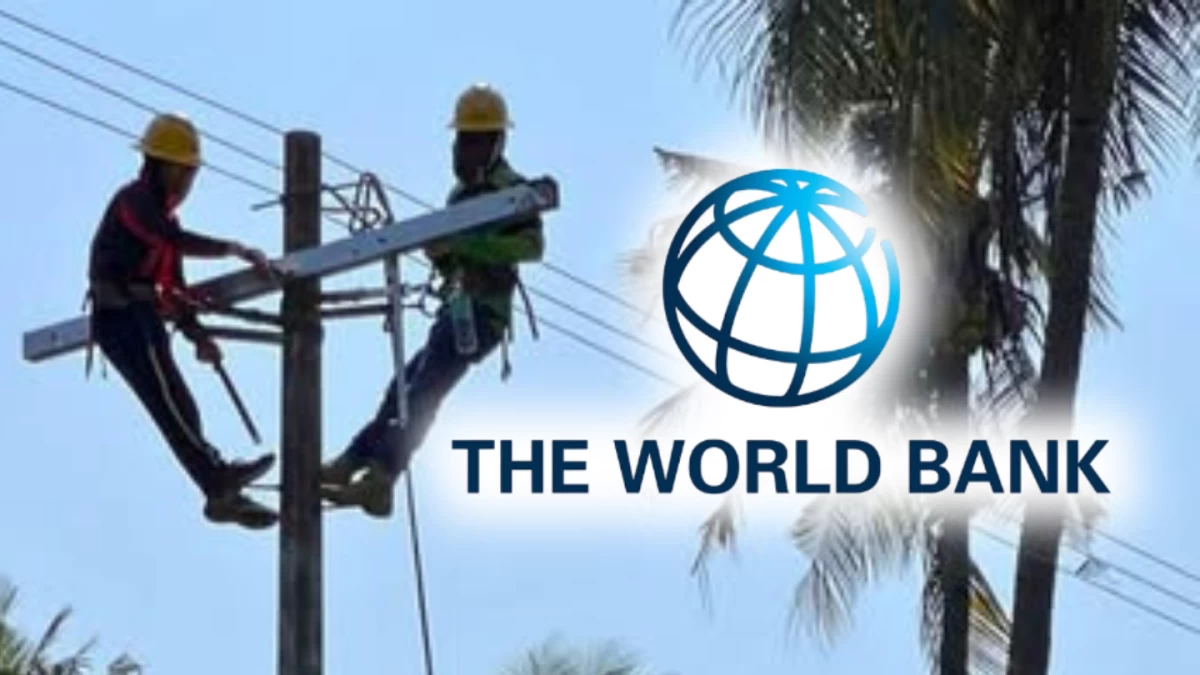
The World Bank urged the Philippines to accelerate power sector reforms to lower electricity costs and reduce its dependence on imported fuel, saying cheaper and more reliable power has become critical to sustaining economic growth, attracting investments, and reducing poverty after the country’s...
Philippine economic growth likely picked up above the three-percent level in the second quarter, mainly on improved spending on public goods and services, with most private-sector economists expecting the economy to perform better than in the previous quarter despite lingering headwinds from...
A “triple threat” of crude oil prices topping $80 per barrel, Metro Manila’s ₱85 daily wage hike, and severe El Niño conditions could push third-quarter Philippine inflation back to levels seen during the height of the Middle East crisis and prompt the Bangko Sentral ng Pilipinas (BSP) to...
The Asian Development Bank (ADB) slashed its Philippine economic growth forecast to 3.8 percent this year, which, if realized, would be the country’s slowest post-pandemic expansion amid delayed investments, higher inflation, and risks from climate shocks. In its Asian Development Outlook (ADO)...
The Washington-based International Monetary Fund (IMF) has further lowered its 2026 and 2027 economic growth forecasts for the Philippines on the assessment that the country sustained deeper wounds from the Middle East war. According to the July update of the IMF’s flagship World Economic Outlook...
The Philippines scored below the regional average in the World Bank’s latest Human Capital Index Plus (HCI+), underscoring persistent gaps in health, education, and employment outcomes despite outperforming the average for lower-middle-income countries (LMICs). In an April 2026 human capital...