Delays in implementing major tax measures have proven to be a friction in the Philippines’ target of raising higher revenues in recent years, a fiscal condition further worsened by the persistent increase in national government (NG) debt. According to Singapore-based ASEAN+3 Macroeconomic...
The government exceeded its short-term borrowing target on Monday, April 13, as investors swarmed the primary market, driving down yields across all maturities and ending a month-long streak of underwhelming auctions. The Bureau of the Treasury raised ₱32.1 billion in three-month, six-month, and...
Scaling back from foreign debt was more pronounced in February, but the Marcos Jr. administration’s aggressive borrowing from domestic lenders drove the surge in government gross borrowings in the first two months of the year. According to the latest Bureau of the Treasury (BTr) data, the...
The government’s coffers received a significant liquidity boost in the first two months of the year, as state-run entities remitted more than ₱90 billion in dividends, a critical buffer against global economic volatility. According to the latest Bureau of the Treasury data, the surge was...
The Marcos administration scaled back its planned borrowing on Tuesday, April 7, as domestic investors showed cooling appetite for longer-dated debt, signaling caution amid shifting global risks. The Bureau of the Treasury raised ₱40 billion through a dual-tranche bond auction, falling short of...
Non-tax earnings’ more than sixfold increase only balanced out the higher growth in spending in February, with the national government (NG) still posting a budget deficit of over ₱170 billion, comparable to the gap seen in the same month last year. According to the Bureau of the Treasury ’s...
Demand for government securities (GS) improved at the start of the second quarter, but the Marcos Jr. administration still struggled to raise its planned ₱27 billion in short-term debt papers, as overall interest costs remained elevated amid anticipation of a policy hike in April. During the...
Government subsidies to state-run firms fell sharply in January as the sharp withdrawal of support for rice and irrigation agencies outweighed increased spending on small-business credit and healthcare. Subsidies to government-owned and controlled corporations (GOCCs) dropped 23.4 percent to ₱3.4...
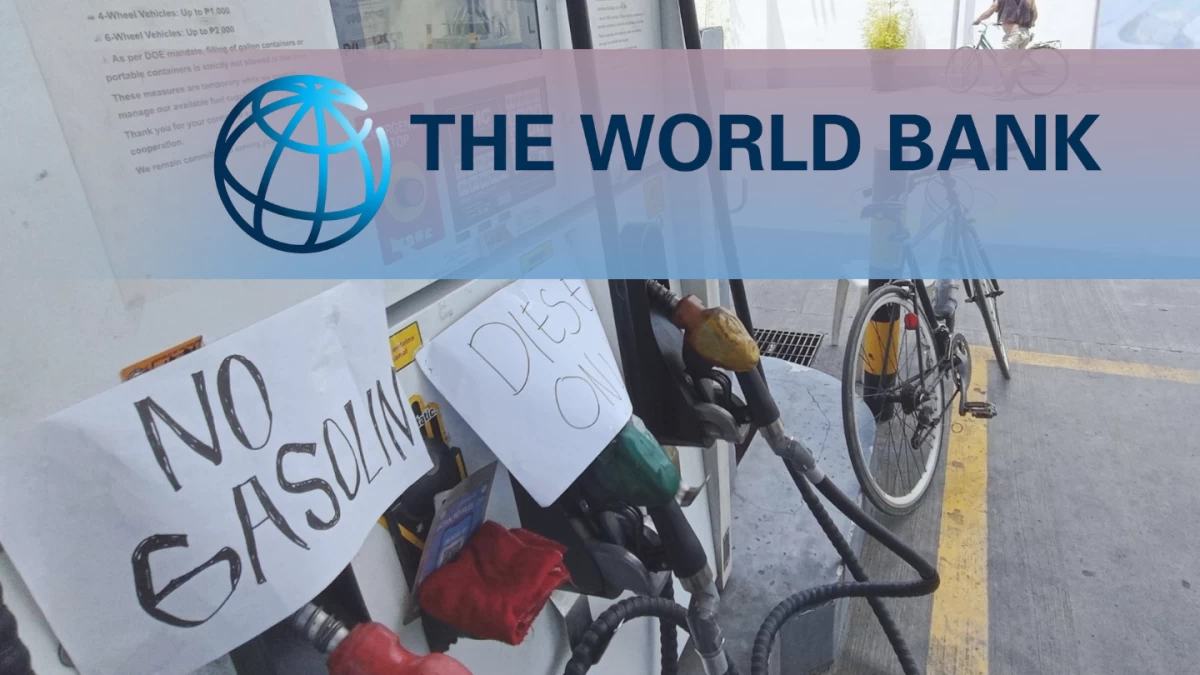
The Philippines is facing an inflationary shock that could spill over to slower economic growth, potential job losses, and more capital market outflows amid a prolonged Middle East conflict, according to the World Bank. The global oil price and supply shock wrought by the war in Iran would “raise...
While the national government’s (NG) debt pile hit another historic high of ₱18.16 trillion as of end-February, the Marcos Jr. administration said this still underscores the government’s well-managed debt position amid global instability. The latest data from the Bureau of the Treasury (BTr)...
The national government nearly doubled its gross borrowings to ₱408.2 billion in January as the Marcos administration front-loaded its financing requirements to take advantage of favorable market conditions. According to the latest data from the Bureau of the Treasury (BTr), gross borrowings...
Dividend remittances of government-owned and/or -controlled corporations (GOCCs) fell 17.2 percent to ₱114.6 billion in 2025, driven by a sharp contraction in the Bangko Sentral ng Pilipinas’ (BSP) remittance after leading in two consecutive years. The latest data from the Bureau of the...