United Overseas Bank (UOB) is calling for the Bangko Sentral ng Pilipinas (BSP) to raise its key interest rate to five percent at its upcoming policy meeting on Aug. 27, forecasting a final quarter-point increase to counter sticky inflation and support weakening peso. The Singapore-based lender...
The Philippine economy faces an uphill battle in the second half of 2026 after posting its weakest post-pandemic growth, with private sector economists warning that faster infrastructure spending, easing inflation, and stronger investor confidence will determine whether the country can meet the...
Singapore-based Oversea-Chinese Banking Corp. Ltd. (OCBC) holds one of the most hawkish outlooks on local monetary policy, pricing in a 25-basis-point (bp) rate hike at each of the remaining policy meetings in 2026 on expectations that inflation will stay elevated. OCBC Group Research expects...
Private-sector economists are divided over the trajectory of Philippine inflation in July, though they broadly agree that lingering climate risks, geopolitical tensions, and a weaker peso will compel the central bank to keep interest rates elevated. Forecasts for July headline consumer prices span...
Philippine economic growth likely picked up above the three-percent level in the second quarter, mainly on improved spending on public goods and services, with most private-sector economists expecting the economy to perform better than in the previous quarter despite lingering headwinds from...
Elevated energy costs, weak investment, and softer domestic demand are slowing the Philippines’ recovery from its recent growth slump, according to Singapore-based United Overseas Bank Ltd. (UOB), warranting continued monetary policy tightening by the Bangko Sentral ng Pilipinas (BSP). In its...
The Bangko Sentral ng Pilipinas (BSP) is expected to extend its monetary tightening cycle to a peak of 5.5 percent, according to Goldman Sachs Group Inc., as sticky underlying price pressures overshadow the recent cooldown in headline inflation. While headline inflation decelerated to 6.4 percent...
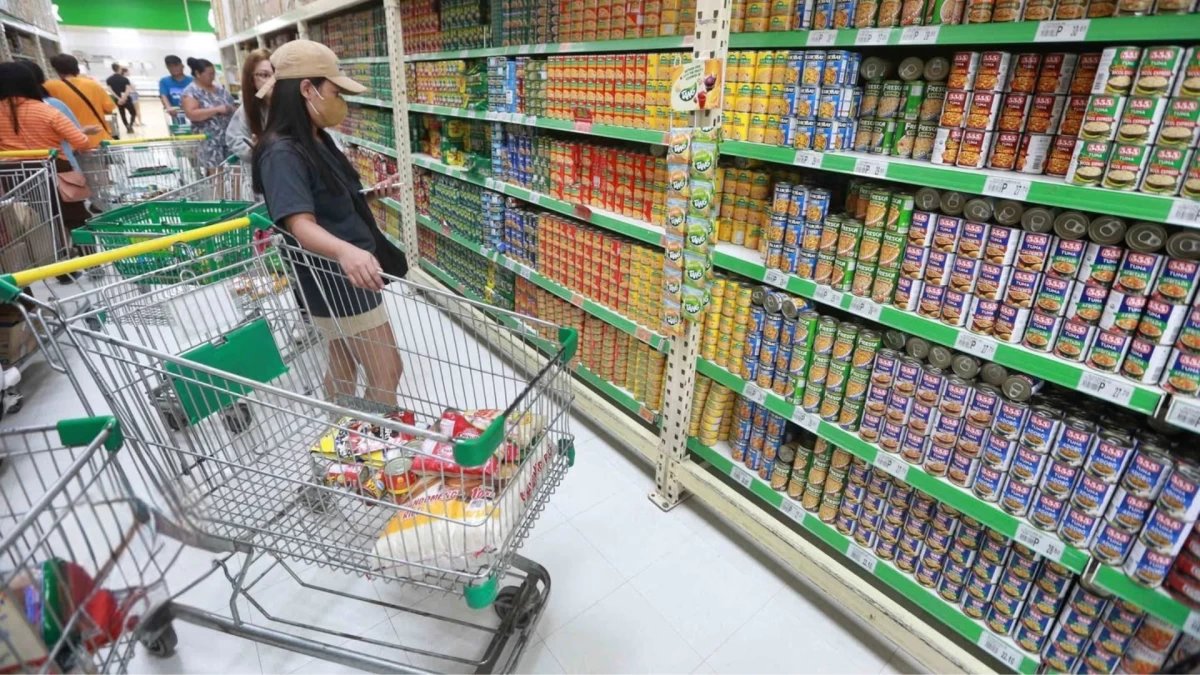
Consumer price growth likely slowed for another month in June, driven by declining global oil and food costs alongside a recovering currency, according to private-sector economists. A median forecast from regional banks and analysts projects headline inflation to have moderated to between 6.5...
Currency pressures from the global oil shock have dissipated, allowing the Philippine peso to rebound and even outperform other regional currencies, Singapore-based UOB said, which expects the previously battered currency to fare better against the United States (US) dollar thanks to falling oil...
The Philippines is grappling with the fastest inflation rate among Southeast Asia’s major economies, as the country’s acute exposure to crude volatility from the United States-Iran conflict offsets the recent cooling in consumer price growth. While aggregate inflation across the ASEAN-6 nations...
With the Philippine peso dropping nearly five percent against the United States (US) dollar since January, Singapore-based United Overseas Bank Ltd. (UOB) forecasts that the local currency could tumble to a fresh record low of ₱63 per greenback over the next quarter. UOB said in its latest...
The Bangko Sentral ng Pilipinas (BSP) is expected to maintain its hawkish monetary policy stance, according to international lenders, though economists remain divided on how many additional interest-rate increases will be needed to combat persistent supply-side inflation. Japanese financial...