Illustration Freepik The holiday season is upon us; it's in the cool mornings and long Christmas station ID songs that seem never-ending. And, of course, it is the time of year for special meals and Christmas food baskets. Large corporations send expensive food baskets to present and prospective...
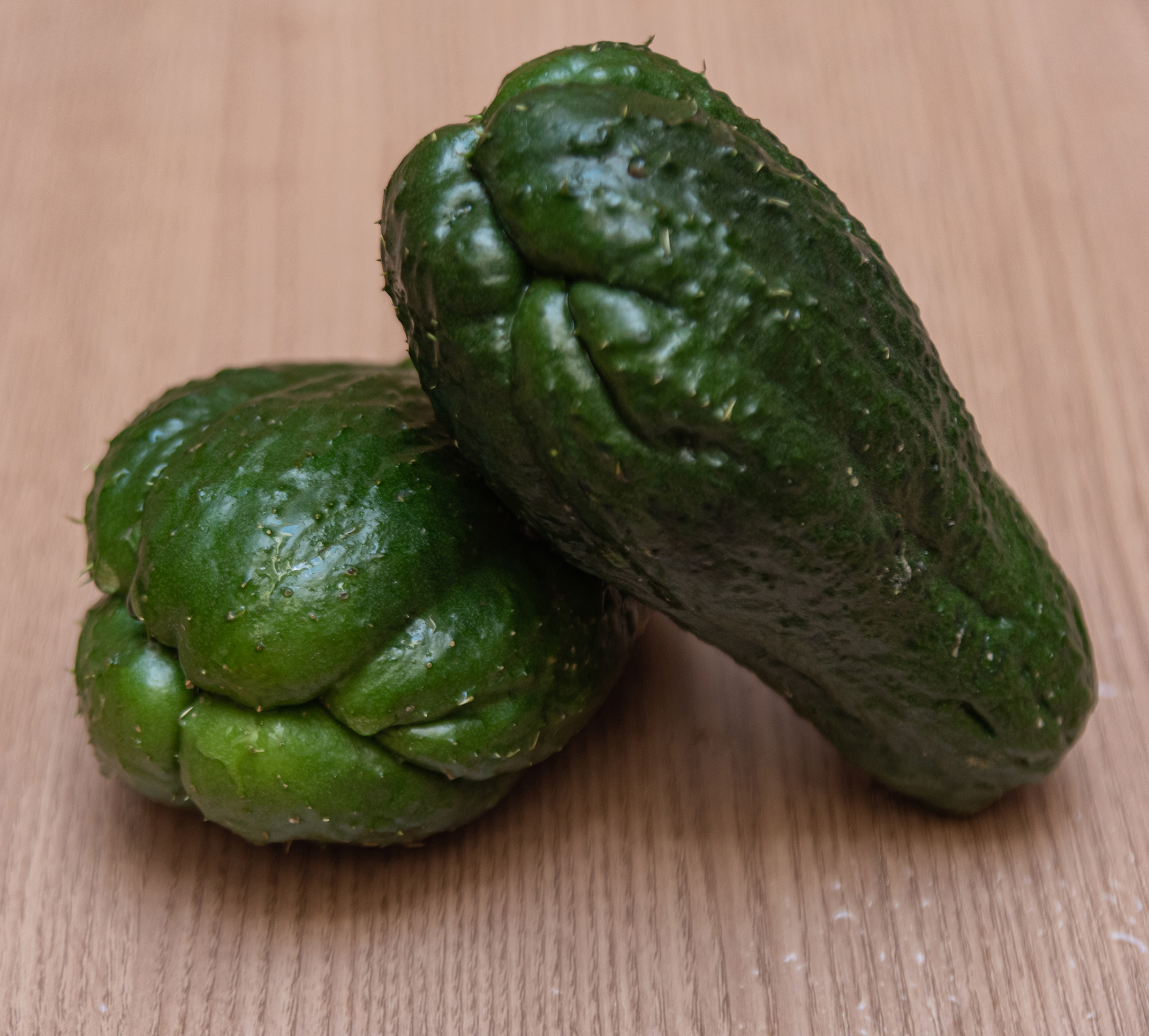
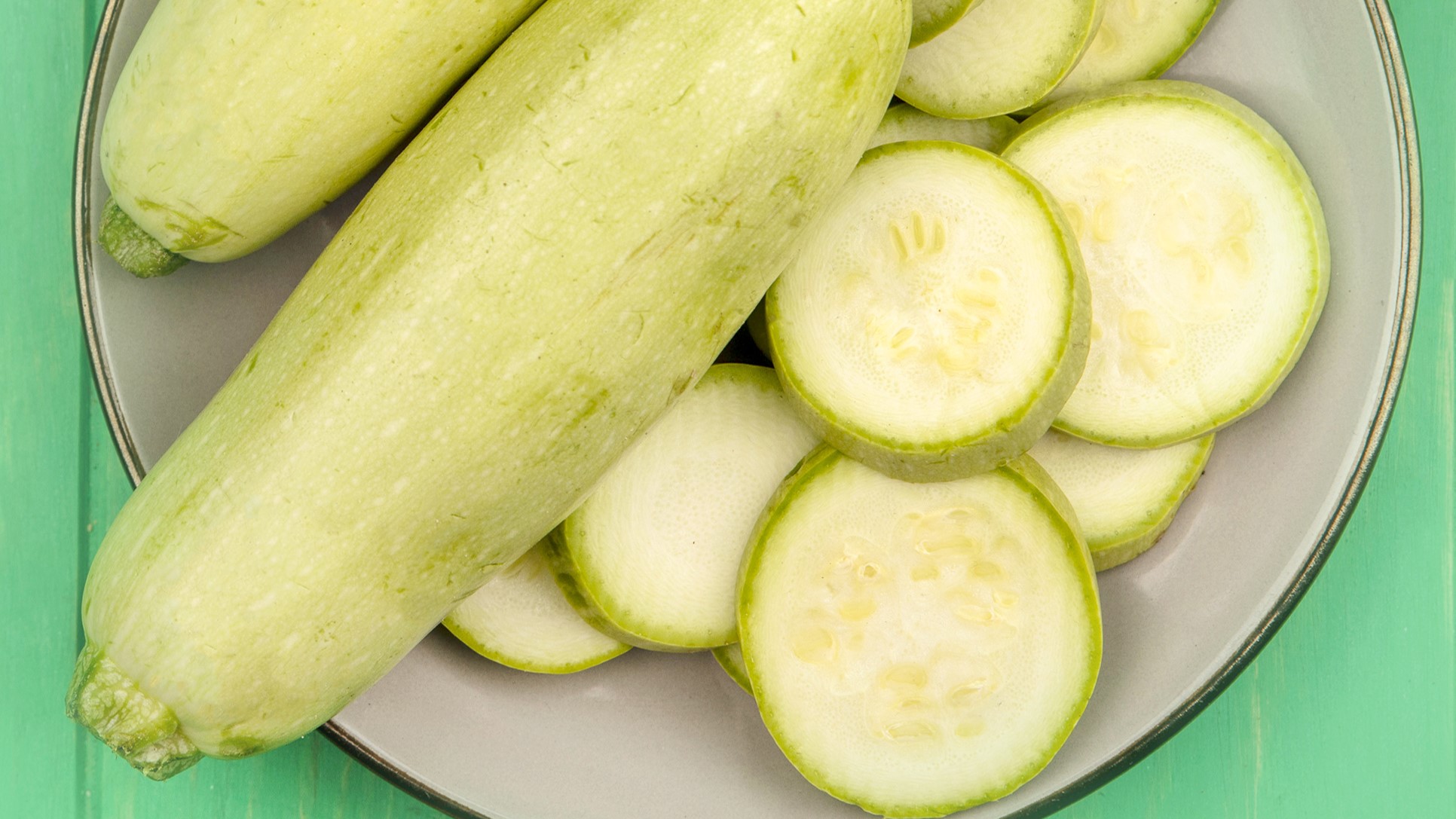
AN APPLE ALTERNATIVE When apples were rare, sayote was often found to be a suitable substitute even when making dessert (Photo Freepik) Apples were a real luxury when I was growing up in the 1950s. Post-war Philippine laws imposed strict import controls to conserve dollars yet favored the entry of...
LEAFY GREEN GOODNESS Malunggay is rich in vitamins and minerals that help keep the body strong (Illustration from Freepik) There were no concrete walls between houses in our barrio. Instead, we had low-growing trees from which we harvested flowers, fruits, and leaves that went into our favorite...
Kasubha (Wikipedia) Grandma was famous in our hometown both for dishes that were simple peasant fare as well as elaborate fiesta offerings which reflect traditions of all the segments of the population of her home province, Cavite. Caviteñas with her expertise were much in demand in the...
EXOTIC DELIGHT Bopis is a dish made from minced pig's lungs and heart (Photo Wikipedia) As a kid, I always looked forward to Sunday family meals after six days of fish and vegetables. Besides the usual kare-kare, pochero and sinigang, Grandma often had “a little extra” like pork or beef liver...
Images from Freepik Filipinos classify vegetables under two categories: native and upland (grown in Baguio). One of the most popular “native” vegetables is patola (louffa or silk gourd), which is never served in formal meals but is universally welcomed in home gatherings of rich and poor alike....
We are all extremely careful what we serve our family: very fresh fruits and vegetables as often as our budgets would allow, and even imported ones as special treats. But research has shown that many of our daily food items could harm our loved ones. Cherry pits The hard seed in the center of...
Living along the shores of Manila Bay from the 1940s to 1960s, we never had to pay for clams, mussels, oysters, and other seafood. The bay was clean and shellfish was free for the taking. Almost all the bivalves were cooked like tinola, or briefly grilled until their shells barely opened....
Our very first serious marital disagreement was over a food item my husband and I both adored—the avocado. Our big debate was whether avocado was a fruit or a vegetable. Vic, who grew up in California and loved avocado with seafood, lemon, yogurt, cheese, olives, and capers, insisted it could not...
Our country's history, enriched by the many cultures from East and West, provides us with traditions uniquely Filipino which are worth preserving for future generations. ACTING IN FAITH Dramatic ritual Panunuluyan before the health crisis (Michelle Dimailig) Panunuluyan, “the search”...
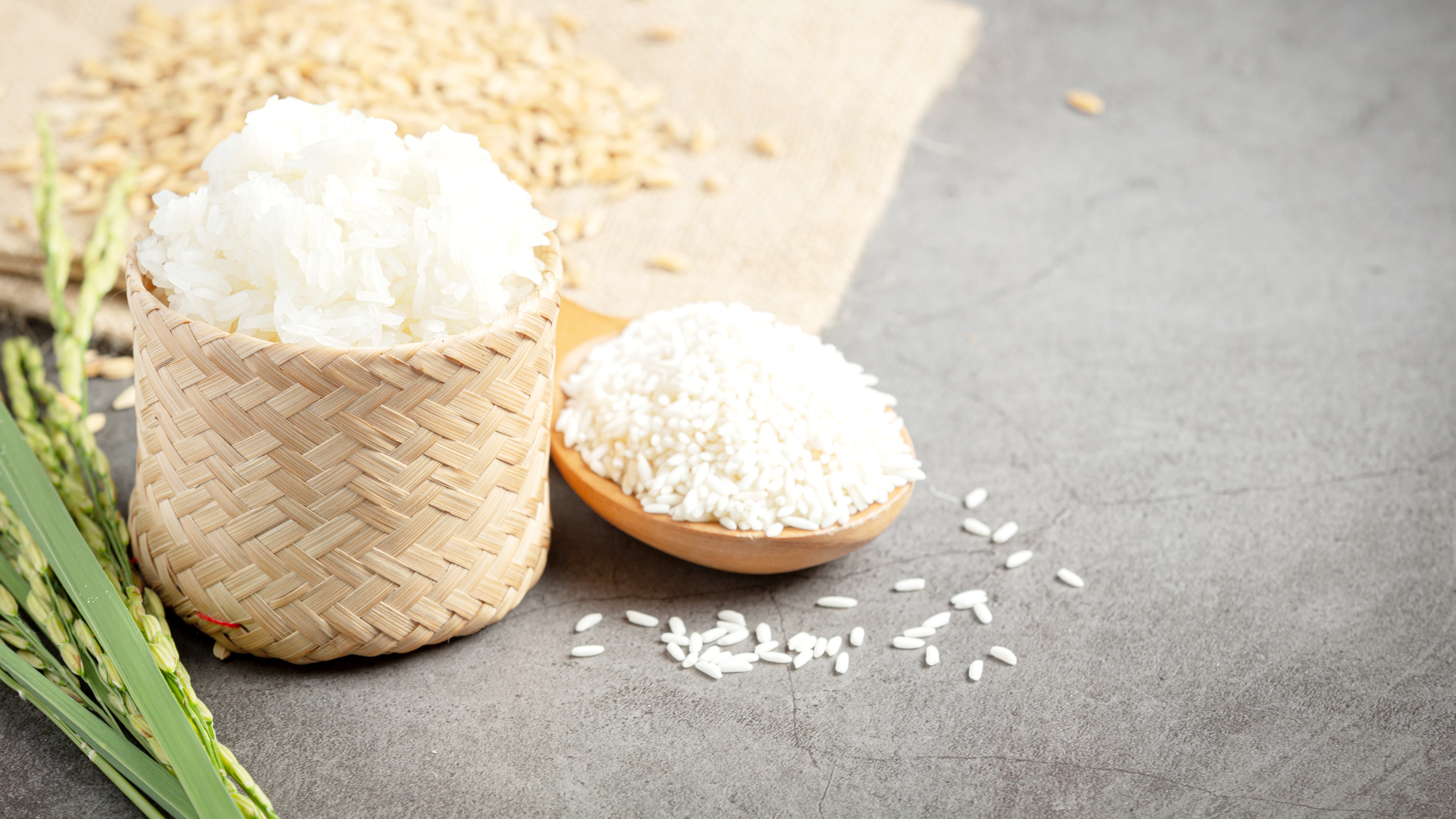
There have been very positive responses to our proposal for reducing the country's rice consumption by not serving steamed rice for breakfast. According to government statistics, 80 percent of Filipinos depend on rice as their staple; to get that portion of the population to skip rice for breakfast...
Every time the Philippines grapples with a rice shortage or sudden increase in the price of our primary grain, economists and nutritionists find one possible solution: Reduce the Filipinos’ per capita consumption of rice. That is easier said than done. The average Filipino eats rice three times a...